

 Preview
 Send
Send Share
Share
 Details

 Download
 Similars
 X-Ray
X-Ray Diaporama
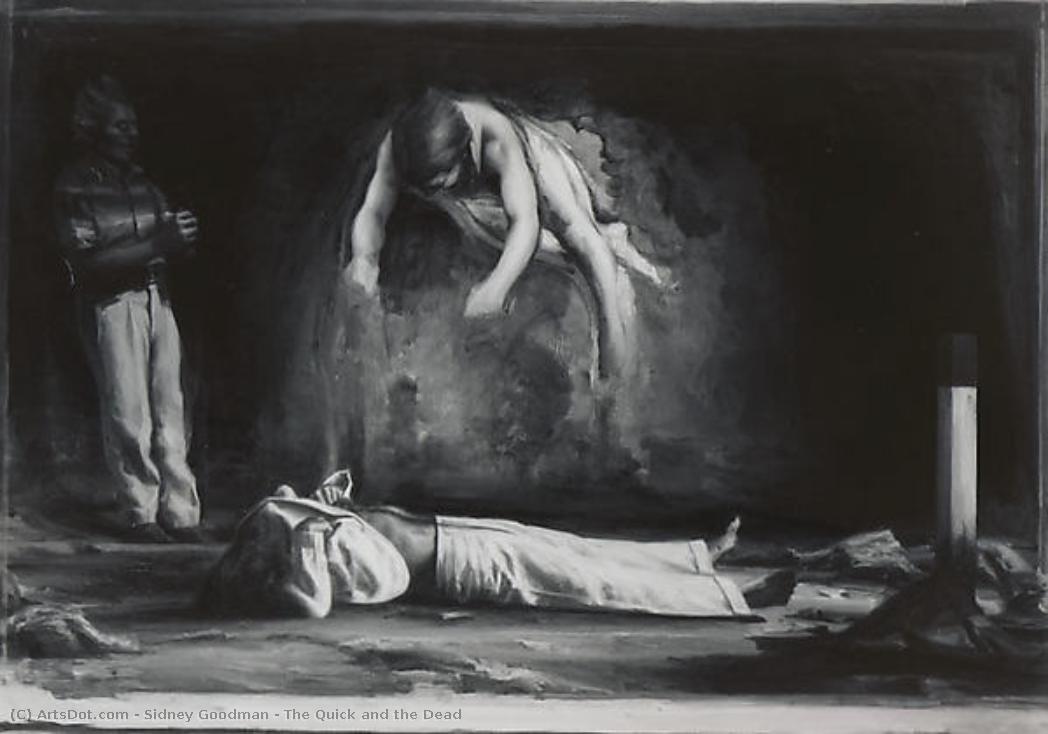
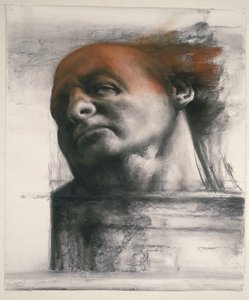
The Quick and the Dead
 Contemporary Realism
 1980
1980 162.0 x 225.0 cm
 Read More
Purchase a high-resolution, enhanced digital image, far superior to the online preview.
Each file is meticulously prepared by our in-house specialists using advanced tools and expert manual retouching. We ensure every image has exceptional clarity, precise color accuracy, and fine detail.
The final file is delivered via email within 72 hours, optimized for immediate use in professional, editorial, and print environments. This is the same quality trusted by top-tier design studios, publishers, and galleries.
Digital Image
Download a high-resolution file for personal display, printing, and creative projects. ( Buy Print Buy Hand Made Painting)
Included in Every Digital Image Order
Expert Digital Delivery, Guaranteed
When you choose ArtsDot.com, you're not just getting an image - you're receiving a professionally enhanced digital artwork, crafted with precision and backed by a satisfaction guarantee. Here's everything that comes with your order, automatically:

Fast Email Delivery
Your high-resolution digital image file will be emailed to you within 72 hours of ordering - ready for immediate use.

AI-Enhanced Digital File
Your artwork is professionally optimized using advanced AI tools and manual editing, ensuring maximum detail, clarity, and color accuracy.

Free Lifetime Re-Delivery
Accidentally deleted or lost your file? No worries - we'll resend it to you anytime, free of charge.

No Import Fees - Ever
Enjoy your artwork instantly with zero customs, duties, or delivery fees - digital downloads are always tax-free.

Color Accuracy Guarantee
We ensure your digital image reflects the original colors as closely as possible using professional tools and color management.

60-Day Satisfaction Guarantee
If you're not satisfied with your digital image, we'll revise it or refund 100% within 60 days - no questions asked.

100% Money-Back Guarantee
Not satisfied? Get a full refund within 60 days of receiving your digital file - no questions asked.

Bulk Order Discounts
Buy 3 images, save 10% - Buy 5, save 15% - Buy 10+, save 20%. Great for creative projects, galleries, and agencies.
Related Artworks



Artist Biography
Sidney Goodman: A Chronicle of Urban Decay and Human Resilience
Sidney Goodman (1936-2013) wasn’t merely a painter; he was an observer, a chronicler of a world increasingly shadowed by the anxieties of modernity. Emerging from Philadelphia in the early 1960s, Goodman established himself as a significant figure within American figurative painting, his work resonating with a potent blend of realism and unsettling symbolism. His canvases rarely offered easy comfort; instead, they presented a stark, often desolate vision of urban landscapes and the solitary figures navigating them – a reflection, many believe, of a burgeoning modern apocalypse.
Goodman’s early career was marked by a fascination with the “violated landscape,” as he termed it. This wasn't simply an appreciation for industrial architecture; it was a deep engagement with structures—water tanks, gas stations, dumpsters, and colossal stadiums—that seemed to actively threaten the harmony of nature. These imposing forms, rendered in muted tones and often bathed in dramatic light, became recurring motifs, symbolizing humanity’s encroachment upon and disregard for the natural world. This preoccupation stemmed from a broader concern with the spiritual and physical realms of human experience, as Goodman himself articulated, seeking to bridge the gap between the mundane and the profound.
His artistic journey was punctuated by critical recognition and institutional validation. A pivotal moment arrived in 1973 when his work was included in the Whitney Biennial, a prestigious survey exhibition that catapulted him into the national spotlight. Subsequent retrospectives at the Philadelphia Museum of Art in 1996 further cemented his place within the canon of postwar American art. Throughout his career, Goodman’s paintings and drawings were exhibited widely, earning him acclaim from both critics and collectors. He remained a dedicated educator at Pennsylvania Academy of the Fine Arts until his retirement in 2011, passing on his unique vision to generations of aspiring artists.
The Palette of Shadows: Style and Technique
Goodman’s artistic style is immediately recognizable for its distinctive use of grayscale. While he occasionally incorporated color—particularly deep blues and reds—his most compelling works are dominated by shades of gray, creating a mood of somber intensity and psychological depth. This deliberate restriction of the palette forces the viewer to focus on form, texture, and the subtle nuances of light and shadow.
His technique was characterized by meticulous detail and a remarkable ability to capture the textures of his subjects—the rusted metal of industrial structures, the weathered surfaces of buildings, and the worn clothing of his figures. Goodman employed a layered approach to painting, building up thin washes of color and applying multiple glazes to achieve a sense of luminosity and depth. He was particularly adept at rendering the effects of light on these stark environments, creating dramatic contrasts that heightened the emotional impact of his compositions.
Furthermore, Goodman’s draftsman skills were exceptional. His preparatory sketches—often rendered in charcoal or ink—demonstrated a keen eye for detail and an understanding of spatial relationships. These drawings served as invaluable guides for his paintings, informing the composition and ensuring accuracy in the depiction of form. The connection between his drawing practice and his painting style is evident in the careful observation and precise rendering that characterize both.
Themes of Isolation and Urban Decay
At the heart of Goodman’s work lies a profound exploration of themes related to isolation, urban decay, and the human condition. His figures are often solitary, lost within vast and impersonal landscapes—a reflection of the alienation and anonymity that can characterize modern city life.
The decaying structures he depicted weren't simply aesthetic choices; they represented a broader critique of industrialization and its impact on the environment and human spirit. Goodman’s paintings suggest a sense of unease, hinting at a world where traditional values have been eroded and where humanity is increasingly disconnected from nature.
However, amidst this bleakness, there's also an undercurrent of resilience—a quiet dignity in the faces of his figures and a subtle beauty in the textures of his subjects. Goodman’s work doesn’t offer easy answers or resolutions; instead, it invites viewers to contemplate the complexities of human existence within a rapidly changing world.
Legacy and Influence
Sidney Goodman's influence extends beyond his own body of work. His exploration of urban landscapes and the human condition resonated with artists grappling with similar themes in the decades following his emergence. His distinctive use of grayscale and meticulous attention to detail have been admired by contemporary painters, while his focus on social commentary continues to hold relevance today.
The Smithsonian American Art Museum’s archive acknowledges Goodman's significant contribution to American Realism, highlighting his ability to capture the essence of a particular time and place. His work remains a powerful testament to the enduring capacity of art to reflect and critique the complexities of modern life. His legacy is one of quiet intensity, profound observation, and an unwavering commitment to exploring the darker corners of the human experience.
sidney goodman
1936 - 2013 , United States of America
Quick Facts
- Artistic Movement Or Style: Figurative Painting
- Artists Who Influenced This Artist: ['None],\n "Artists or movements influenced by this artist": [None']
- Date Of Birth: 1936-01-19
- Date Of Death: 2013-04-11
- Full Name: Sidney Goodman
- Nationality: American
- Notable Artworks: ['The Quick & The Dead']
- Place Of Birth: Philadelphia, PA

