 Preview
 Send
Send Share
Share
 Details

 Download
 Similars
 X-Ray
X-Ray Diaporama
 Stats
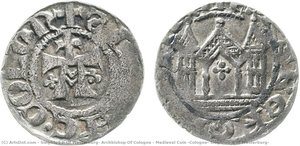
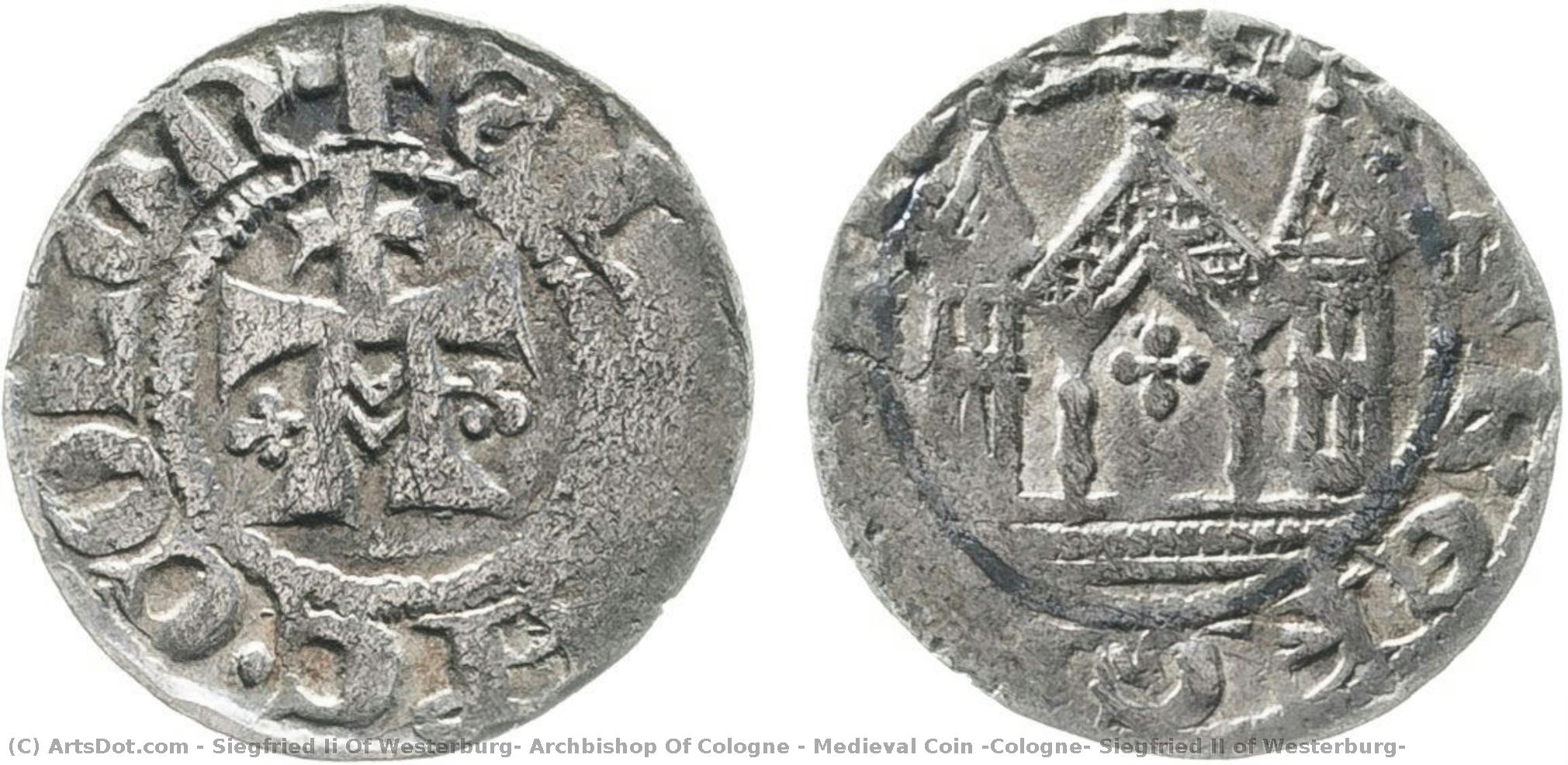
StatsMedieval Coin (Cologne: Siegfried II of Westerburg)

 Read More
Giclée / Art Print
Museum-quality giclée or canvas print with fast production and flexible finish options. ( Buy Hand Made Painting Switch to Digital Image)




































Pick from our preset sizes that match the artwork's original proportions.

You may enter your own dimensions to fit a specific frame or space. If your selected size does not match the original image's proportions, we will either crop the artwork or extend the image with a mirrored or solid-fill edge. A digital mockup will be sent for your approval before production begins.
Please note that the on-screen preview does not reflect the actual cropping or extension. Only the mockup will accurately show the final composition.
While custom sizes are available, we recommend selecting a dimension from the predefined list to preserve the original proportions.
Worldwide Delivery () in 2 weeks instead of standard 4/5 weeks. (9 September)

Free Worldwide Express Shipping

High-Quality Linen Canvas

Full Shipping Insurance

Customs Tax Refund Guarantee

True Color Matching Guarantee

100-Day Return Policy (Defects Only)

100% Money-Back Guarantee

Bulk Discount Offer
 Glass option is only available in size under 110 CM

Medieval Coin (Cologne: Siegfried II of Westerburg)
Giclée / Art Print
Reproduction Size
-


Total Price
$ 63
Related Artworks





Artist Biography
Early Life and Noble Origins
Siegfried II of Westerburg emerged from the intricate tapestry of medieval German nobility around 1260, a period defined by shifting power dynamics and burgeoning ecclesiastical influence. Born into the House of Runkel, a lineage deeply rooted in the Westerwald region near the Lahn River, his early life was shaped by the traditions of territorial lordship and close ties to prominent religious institutions—particularly the Archbishopric of Mainz. The family’s ancestral seat at Runkel Castle provided a formative backdrop for young Siegfried, instilling within him an understanding of both secular governance and the complex world of church politics. His father, Siegfried IV, Count of Westerburg, held sway over lands that would later become central to his son's career, while his mother, Countess N.N. of Diez, connected the family through marriage to other influential comital houses. As the second son, following his elder brother Heinrich I, Siegfried’s path initially diverged from direct inheritance of familial estates, subtly steering him towards a life within the Church.
Ascension to Archbishopric and Early Challenges
The year 1275 marked a pivotal turning point in Siegfried's destiny. Amidst the turbulent political landscape of the Holy Roman Empire, he was consecrated as Archbishop of Cologne in Lyon—a deliberate choice dictated by the circumstances surrounding the city itself. Cologne had been under excommunication since 1268, rendering it an unsuitable location for such a significant religious ceremony. This initial challenge foreshadowed the complexities that would define his archiepiscopate. Upon assuming office, Siegfried immediately sought to mend fractured relationships and restore stability within his diocese. A key early achievement was the negotiation of a friendship treaty with the city of Cologne in July 1275, symbolized by a new Gothic city seal—a tangible representation of renewed accord. This act demonstrated his diplomatic acumen and commitment to fostering positive relations with the urban centers under his jurisdiction.
Navigating Regional Conflicts and Political Intrigue
As Archbishop, Siegfried II was not merely a spiritual leader but also a powerful political figure, deeply entangled in the regional conflicts that characterized 13th-century Germany. His involvement in the War of the Limburg Succession around 1283 saw him align with Count Reinoud I of Guelders, a decision that would have far-reaching consequences. The ensuing years were marked by escalating tensions and ultimately culminated in the Battle of Worringen in June 1288—a devastating defeat for Siegfried’s coalition. Leading opposition to the taxation of clergy at the Synod of Würzburg in March 1287 further highlighted his commitment to defending the rights and privileges of the Church, even amidst internal disagreements within the ecclesiastical hierarchy. The Battle of Worringen proved a watershed moment, leading to his capture by Duke John I of Brabant and subsequent imprisonment at Schloss Burg.
Imprisonment, Reconciliation, and Later Years
Siegfried’s captivity was arduous, taking a significant toll on his health. Released in 1289 after protracted negotiations, he faced the daunting task of rebuilding his authority and restoring order within his archdiocese. The terms of his release were particularly onerous, requiring substantial reparations—approximately 12,000 marks (roughly three tons of silver)—to Count Adolf VIII of Berg, along with the cession of valuable territories and pledges of allegiance to rival powers. Despite these setbacks, Siegfried demonstrated remarkable resilience, working tirelessly to secure peace treaties and regain control over lost possessions. He prioritized reconciliation with Cologne, even conceding a degree of ‘sovereignty’ to the city in 1288—a concession later partially overturned through papal intervention in 1290. In his final years, he shifted his residence to Bonn, signaling a strategic retreat from the immediate pressures of Cologne and a focus on consolidating his remaining authority.
Legacy and Historical Significance
Siegfried II of Westerburg died in Bonn in 1297, leaving behind a complex legacy as an archbishop who navigated a period of intense political and religious upheaval. While his defeat at Worringen undoubtedly cast a shadow over his career, it is crucial to recognize his diplomatic efforts to restore peace within his diocese, his staunch defense of ecclesiastical rights, and his commitment to fostering positive relations with the cities under his jurisdiction. The coinage bearing his name—minted during his archiepiscopate—stands as a testament to Cologne’s economic prosperity under his administration. His life exemplifies the multifaceted role of medieval bishops as both spiritual leaders and powerful political actors, caught between the demands of their faith, the ambitions of secular rulers, and the intricate web of alliances that defined the Holy Roman Empire. He remains a significant figure in the history of the Archbishopric of Cologne, representing a period of resilience, negotiation, and ultimately, survival amidst turbulent times.
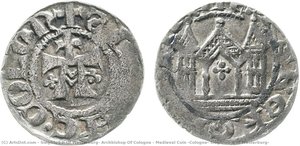
siegfried ii of westerburg, archbishop of cologne
1297 , Germany
Quick Facts
- Artistic Movement Or Style: Medieval Art
- Date Of Birth: Around 1260
- Date Of Death: 1297
- Full Name: Siegfried II of Westerburg
- Nationality: German
- Notable Artworks: ['Medieval Coin (Cologne)']
- Place Of Birth: Westerburg, Germany