 Preview
 Send
Send Share
Share
 Details

 Download
 Similars
 X-Ray
X-Ray Diaporama
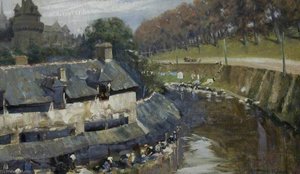
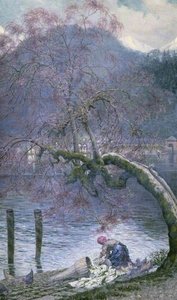
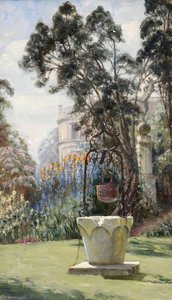
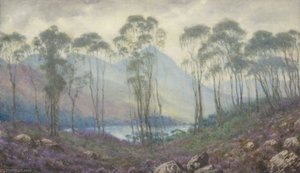
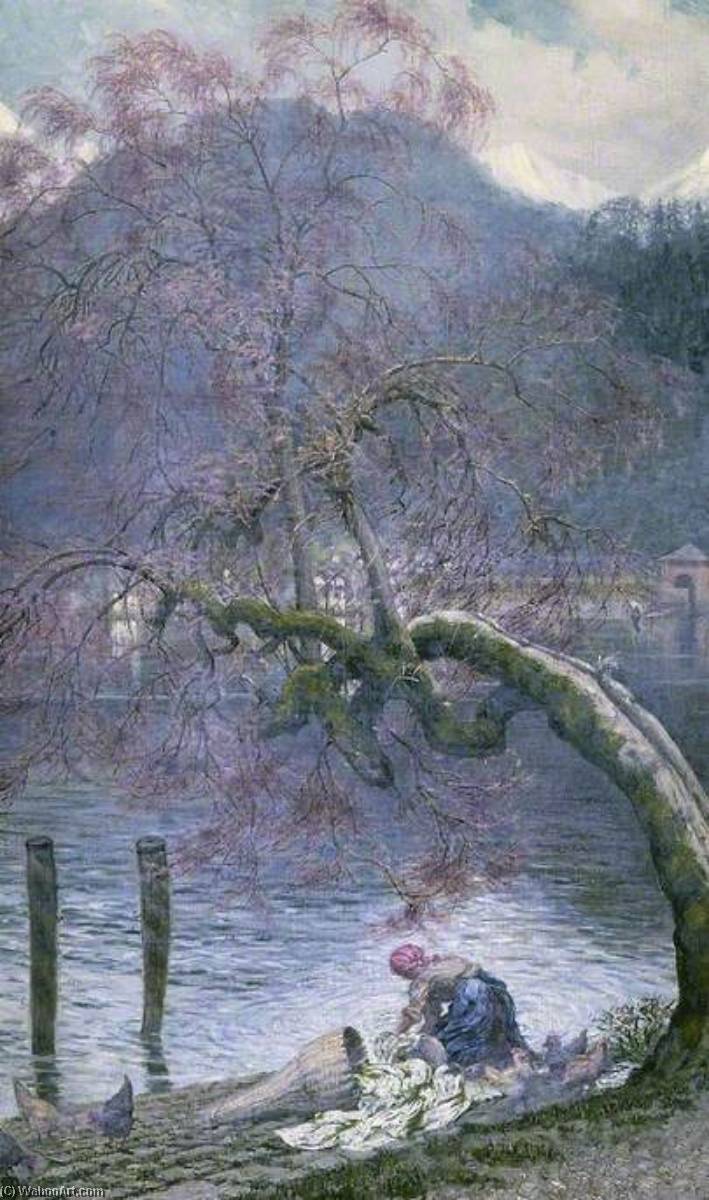
Tamarisk Tree, Lake Como
 1934
1934 65.0 x 39.0 cm
 Fitzwilliam College
 Read More
Giclée / Art Print
Museum-quality giclée or canvas print with fast production and flexible finish options. ( Buy Hand Made Painting Buy Image)




































Pick from our preset sizes that match the artwork's original proportions.

You may enter your own dimensions to fit a specific frame or space. If your selected size does not match the original image's proportions, we will either crop the artwork or extend the image with a mirrored or solid-fill edge. A digital mockup will be sent for your approval before production begins.
Please note that the on-screen preview does not reflect the actual cropping or extension. Only the mockup will accurately show the final composition.
While custom sizes are available, we recommend selecting a dimension from the predefined list to preserve the original proportions.
Worldwide Delivery () in 2 weeks instead of standard 4/5 weeks. (25 August)

Free Worldwide Express Shipping

High-Quality Linen Canvas

Full Shipping Insurance

Customs Tax Refund Guarantee

True Color Matching Guarantee

60-Day Return Policy (Defects Only)

100% Money-Back Guarantee

Bulk Discount Offer
 Glass option is only available in size under 110 CM

Tamarisk Tree, Lake Como
Giclée / Art Print
Reproduction Size
-


Total Price
$ 63
Related Artworks








Artist Biography
A Life Immersed in Sacred Vision: Sigismund Christian Hubert Goetze
Sigismund Christian Hubert Goetze (1866-1939) remains a compelling, though often overlooked, figure within the landscape of late 19th and early 20th century Hungarian painting. Born into an era defined by both burgeoning nationalism and profound spiritual questioning, Goetze dedicated his artistic life to exploring themes of religious devotion, human dignity, and the subtle nuances of portraiture. While biographical details surrounding his early years are scarce, it is clear that he received a solid academic training, likely within the established art institutions of Budapest or Vienna – centers of artistic activity in the Austro-Hungarian Empire. This foundation equipped him with a masterful technique, evident in the precise rendering of form and the rich, atmospheric quality of his paintings. Goetze wasn’t driven by radical innovation; rather, he sought to refine existing traditions, imbuing them with a deeply personal sensitivity. His work reflects a commitment to representing not merely physical likeness but also the inner life of his subjects, particularly those within religious contexts.The Language of Faith and Form
Goetze’s artistic output is dominated by religious scenes – depictions of biblical narratives, portraits of saints, and intimate studies of devotional figures. These works are not grandiose displays of theological complexity; instead, they possess a quiet intimacy, focusing on moments of personal piety and spiritual contemplation. His palette typically favors muted earth tones—ochres, browns, and grays—creating an atmosphere of solemnity and reverence. Light plays a crucial role in his compositions, often emanating from unseen sources to illuminate key figures or symbolic objects. This use of chiaroscuro not only enhances the dramatic impact of the scenes but also serves as a metaphor for divine grace illuminating the darkness of human existence. He skillfully blended realism with an underlying sense of idealism, elevating ordinary individuals into archetypal representations of faith and virtue. The influence of Renaissance masters is palpable in his compositions—particularly the works of Raphael and Caravaggio—but Goetze adapted these influences to suit his own aesthetic sensibilities and the specific cultural context of Hungary.Portraiture as a Window to the Soul
Beyond his religious paintings, Goetze established himself as a respected portraitist. His portraits are characterized by their psychological depth and meticulous attention to detail. He wasn’t interested in capturing mere social status or outward appearance; instead, he sought to reveal the character and inner life of his sitters.- He achieved this through subtle gestures, expressive eyes, and a careful study of facial features.
- His portraiture often depicts members of the Hungarian clergy and aristocracy, suggesting a close connection to the upper echelons of society.
- These portraits provide valuable insights into the social and cultural milieu of late 19th-century Hungary.
Historical Context and Enduring Legacy
Goetze's career unfolded during a period of significant political and social upheaval in Hungary. The rise of nationalism, the decline of the Austro-Hungarian Empire, and the growing secularization of society all impacted the artistic landscape. While he didn’t actively engage in overtly political themes, his work can be seen as a subtle affirmation of traditional values and religious faith in the face of modernity. His paintings offered a sense of continuity and stability during a time of rapid change. Although Goetze never achieved widespread international recognition, his work remains highly regarded within Hungary. His paintings are held in numerous public and private collections, and he is recognized as an important representative of 19th-century Hungarian art. His enduring legacy lies in his ability to create works that are both technically accomplished and emotionally resonant—paintings that continue to inspire contemplation and reverence. He represents a bridge between the academic traditions of the past and the emerging artistic sensibilities of the modern era, offering a unique perspective on the spiritual and cultural life of Hungary.
sigismund christian hubert goetze
1866 - 1939
Quick Facts
- Artistic Movement Or Style: Romanticism
- Artists Or Movements Influenced By This Artist: ['Pre-Raphaelites']
- Artists Who Influenced This Artist:
- William Holman Hunt
- John Everett Millais
- Date Of Birth: October 24, 1866
- Date Of Death: October 24, 1939
- Full Name: Sigismund Christian Hubert Goetze
- Nationality: English
- Notable Artworks:
- Old Bridge, Glen Moriston
- Tamarisk Tree, Lake Como
- Place Of Birth: London, England