Menu
FREE ART CONSULTATION

period

movement

  1. Indian Village — Alfred Jacob Miller

vibe

topics

keywords

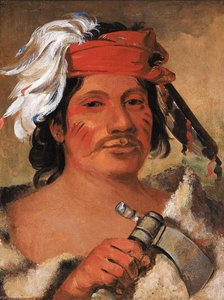
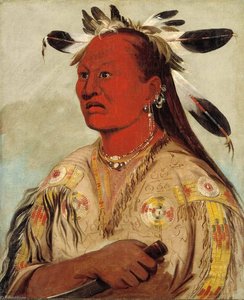
  1. Seneca Steele, a Great Libertine — George Catlin, 1831
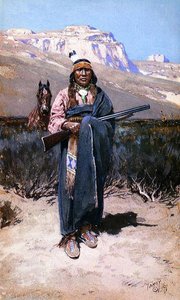
  2. Indian Brave — henry f farny, 1891
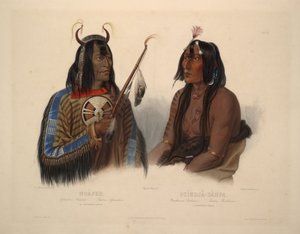
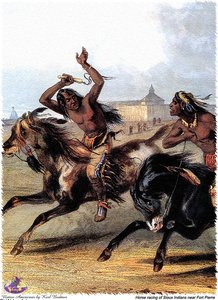
  3. An Assiniboin Indian And A Yanktonan Indian — Karl Bodmer
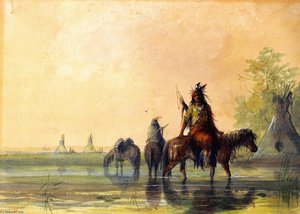
  4. Indian Village — Alfred Jacob Miller
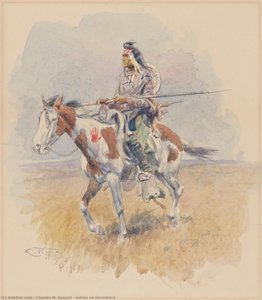
  5. Indian on Horseback — Charles Marion Russell, 1907
  6. sharper native americans (22) — Karl Bodmer
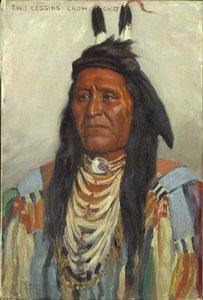
  7. Two Leggins, Crow Chief — Joseph Henry Sharp, 1900

tone

main color

  1. Indian Brave — henry f farny, 1891
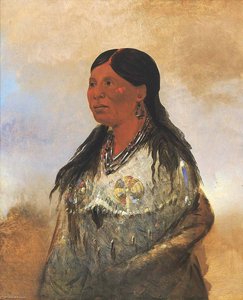
  2. Hón je a pút o, Wife of Bear catcher — George Catlin, 1832
  3. Mix ke móte skin na, Iron Horn, a Warrior — George Catlin, 1832
  4. Om pah tón ga, Big Elk, a Famous Warrior — George Catlin, 1832
  5. Stán au pat, Bloody Hand, Chief of the Tribe — George Catlin, 1832
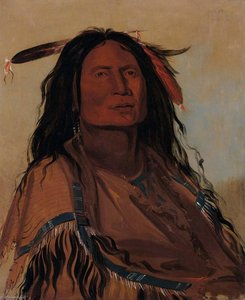
  6. Seneca Steele, a Great Libertine — George Catlin, 1831
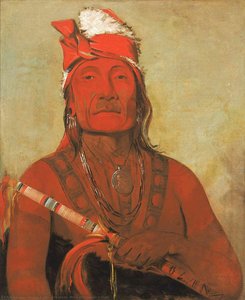
  7. Ish a ró yeh, He Who Carries a Wolf, a Distinguished Brave — George Catlin, 1834
  8. Two Leggins, Crow Chief — Joseph Henry Sharp, 1900
  9. Indian on Horseback — Charles Marion Russell, 1907
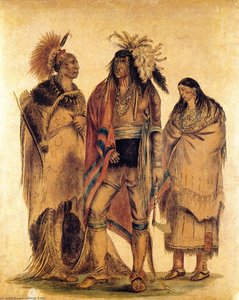
  10. North American Indians — George Catlin, 1830
  11. Indian Village — Alfred Jacob Miller
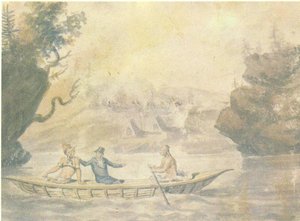
  12. American Indians in the boat — pavel svinyin, 1812
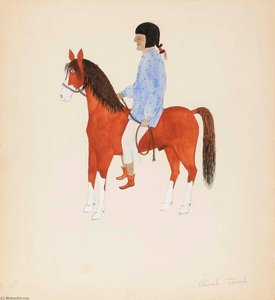
  13. Indian Boy and Pony — Awa Tsireh, 1919
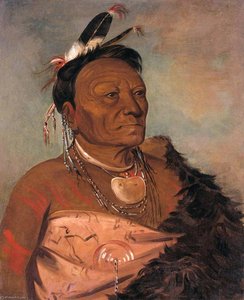
  14. Wee tá ra shá ro, Head Chief of the Tribe — George Catlin, 1834
  15. An Assiniboin Indian And A Yanktonan Indian — Karl Bodmer
  16. sharper native americans (25) — Karl Bodmer
  17. sharper native americans (22) — Karl Bodmer
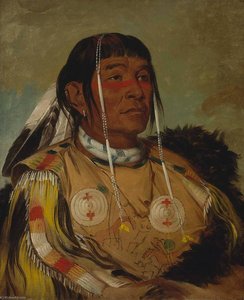
  18. Sha có pay, The Six, Chief of the Plains Ojibwa — George Catlin, 1832
other

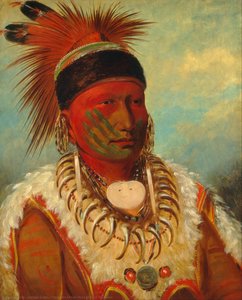
  1. The White Cloud, Head Chief of the Iowas — George Catlin, 1844
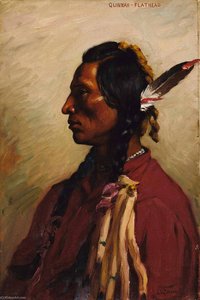
  2. Quinnah — Joseph Henry Sharp, 1902
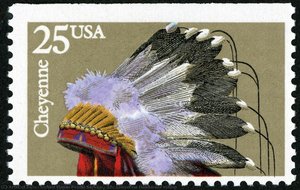
  3. 25c Cheyenne Headdress stamp — United States Postal Service, 1990
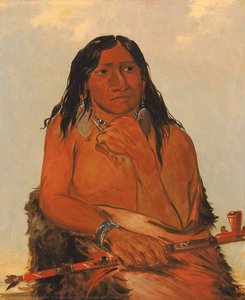
  4. Is sa wáh tám ah, Wolf Tied with Hair, a Chief — George Catlin, 1834
  5. Wúk mi ser, Corn, a Miniconjou Warrior — George Catlin, 1832
  6. Toh kí e to, Stone With Horns, a Chief — George Catlin, 1832