period
movement
vibe
tone
main color
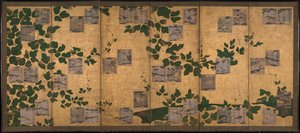
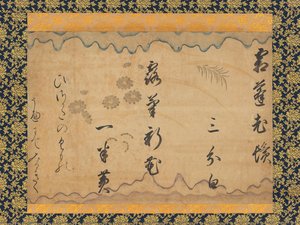
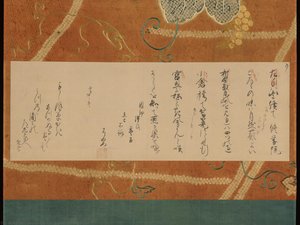
- Anthology of Japanese and Chinese Poems (Wakan rōeishū) with Underpainting of Arrowroot Vines
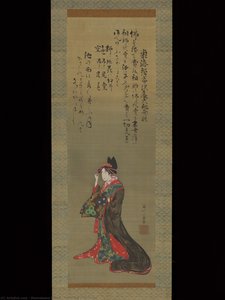
- Parading Courtesan
- Plucking Chrysanthemums
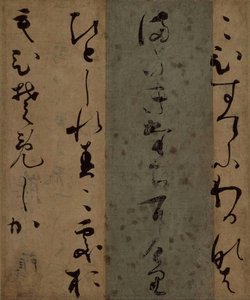
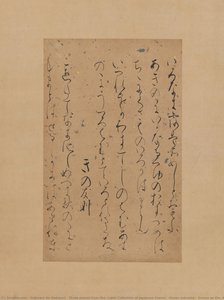
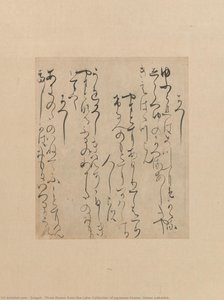
- Poem (Waka) Written on Shikishi Paper, known as Ogura-shikishi
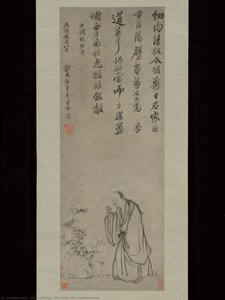
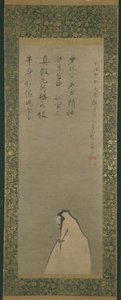
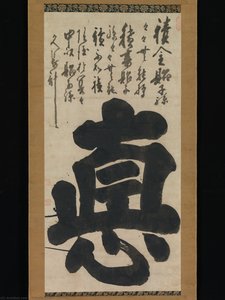
- Portrait of Daruma
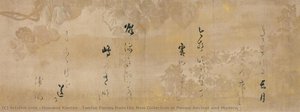
- Twelve Poems from the New Collection of Poems Ancient and Modern
- Three poems from the “Later Collection of Japanese Poems” (Gosen wakashū), known as the “Karasumaru Fragment” (Karasumaru-gire)
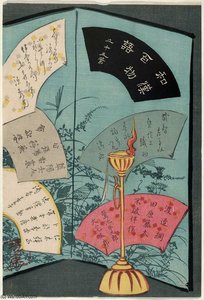
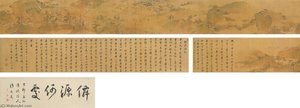
- Wakan Hyaku Monogatari
- Chinese Couplet by Bai Juyi and Waka by Fujiwara no Toshiyuki (partial) from “Japanese and Chinese Poems to Sing” (Wakan rōeishū)
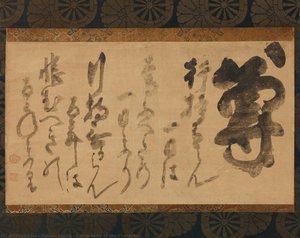
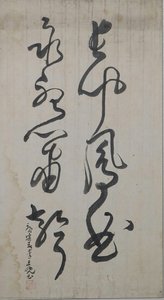
- Calligraphy of the Character
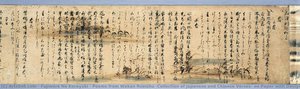
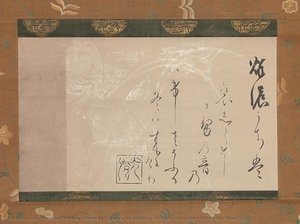
- Poems from Wakan Roeishu (Collection of Japanese and Chinese Verses) on Paper with Design of Reeds
- Two Poems from One Hundred Poems by One Hundred Poets
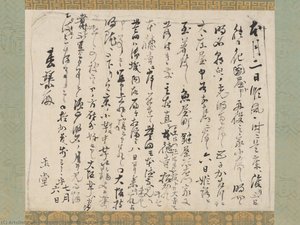
- Letter
- Virtue
- Folding screen with Calligraphy(東宮玉帳山銘) 8
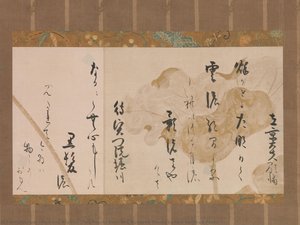
- Three Poems from the Later Collection of Japanese Poems (Gosen wakashū)
- Letter to Shunkin
- Poem by Fujiwara no Norinaga on Paper Decorated with Butterflies
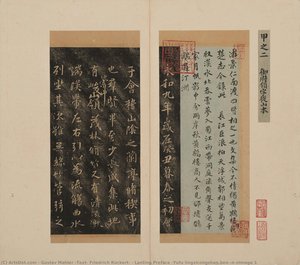
- Lanting Preface (Yufu lingzicongshan ben)\n\nImage 1