

 Preview
 Send
Send Share
Share
 Details

 Download
 Similars
 X-Ray
X-Ray Diaporama
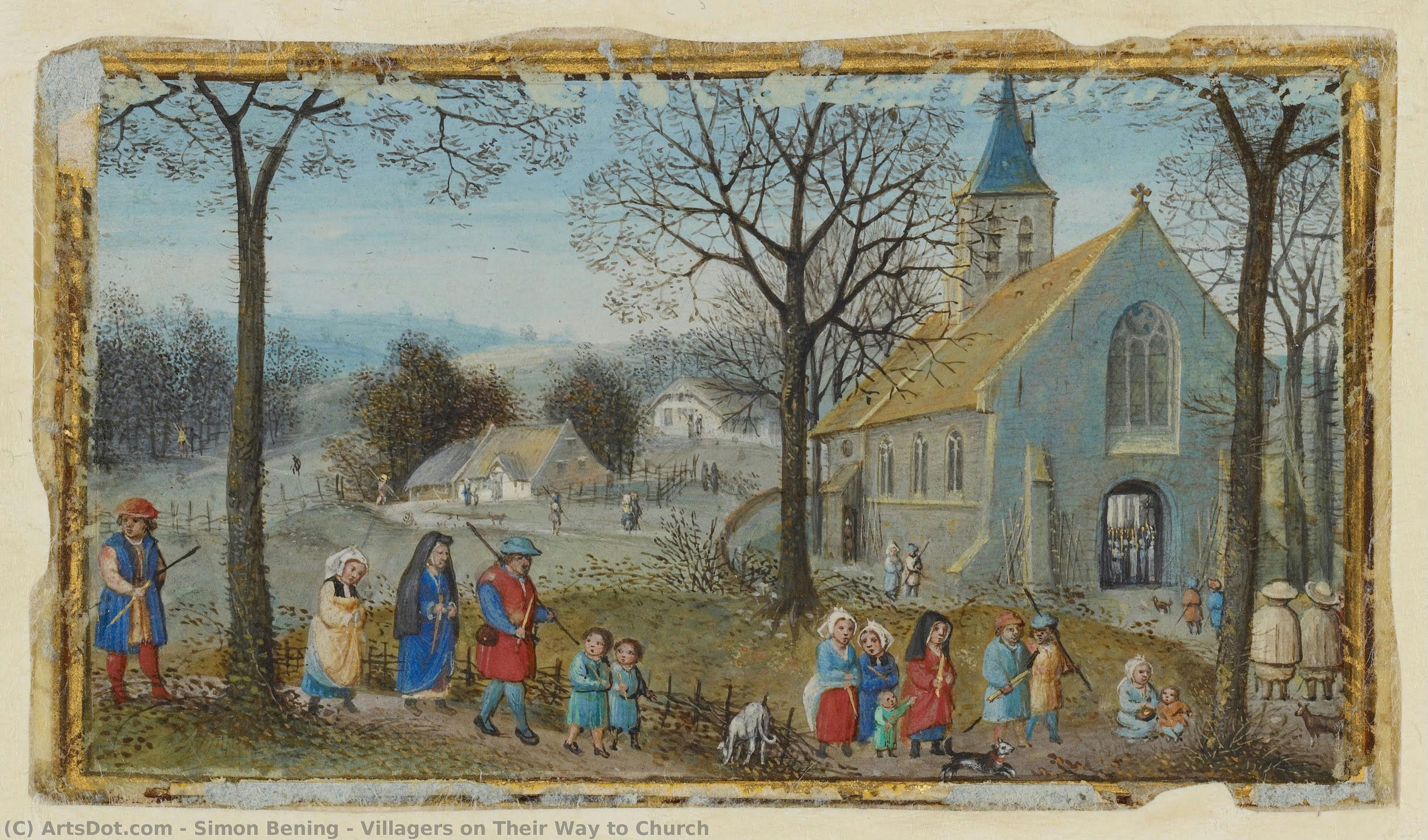
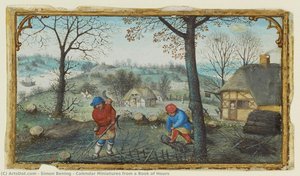
Villagers on Their Way to Church
 Watercolor
- WallArt
- Dutch Golden Age
 1550
1550- Renaissance
 5.0 x 9.0 cm
 J. Paul Getty Museum
 Read More
Purchase a high-resolution, enhanced digital image, far superior to the online preview.
Each file is meticulously prepared by our in-house specialists using advanced tools and expert manual retouching. We ensure every image has exceptional clarity, precise color accuracy, and fine detail.
The final file is delivered via email within 72 hours, optimized for immediate use in professional, editorial, and print environments. This is the same quality trusted by top-tier design studios, publishers, and galleries.
Digital Image
Download a high-resolution file for personal display, printing, and creative projects. ( Buy Print Buy Hand Made Painting)
Included in Every Digital Image Order
Expert Digital Delivery, Guaranteed
When you choose ArtsDot.com, you're not just getting an image - you're receiving a professionally enhanced digital artwork, crafted with precision and backed by a satisfaction guarantee. Here's everything that comes with your order, automatically:

Fast Email Delivery
Your high-resolution digital image file will be emailed to you within 72 hours of ordering - ready for immediate use.

AI-Enhanced Digital File
Your artwork is professionally optimized using advanced AI tools and manual editing, ensuring maximum detail, clarity, and color accuracy.

Free Lifetime Re-Delivery
Accidentally deleted or lost your file? No worries - we'll resend it to you anytime, free of charge.

No Import Fees - Ever
Enjoy your artwork instantly with zero customs, duties, or delivery fees - digital downloads are always tax-free.

Color Accuracy Guarantee
We ensure your digital image reflects the original colors as closely as possible using professional tools and color management.

60-Day Satisfaction Guarantee
If you're not satisfied with your digital image, we'll revise it or refund 100% within 60 days - no questions asked.

100% Money-Back Guarantee
Not satisfied? Get a full refund within 60 days of receiving your digital file - no questions asked.

Bulk Order Discounts
Buy 3 images, save 10% - Buy 5, save 15% - Buy 10+, save 20%. Great for creative projects, galleries, and agencies.
Collectible Description
A Journey of Faith: The Quiet Devotion of Bening’s Miniature
In the delicate, intimate world of 16th-century illumination, few moments capture the essence of communal piety as tenderly as Simon Bening’s Villagers on Their Way to Church. This exquisite miniature, dating from approximately 1550, invites the viewer into a serene, pastoral landscape where the boundaries between the earthly and the divine seem to blur. As the local parish prepares for service, a procession of rural peasants meanders along a winding path, their movement guided by both tradition and spiritual purpose. The scene is bathed in the soft, diffused light of a late winter morning, suggesting the celebration of Candlemas—a feast of light that illuminates the hearts of the approaching faithful. There is a profound sense of rhythm in the composition, as the receding path draws the eye through rolling hills and groves of trees toward the distant, steadfast silhouette of the church.
The artistry of Bening, a master of the Ghent-Bruges school, shines through in the meticulous detail achieved within such a diminutive scale. Though measuring only 5 x 9 cm, the work possesses a monumental emotional depth. The technique relies on the subtle layering of watercolor pigments on paper, creating a texture that feels both aged and luminous. One can observe the careful use of line to define the heavy folds of the villagers' clothing and the skeletal grace of winter branches, reminiscent of the narrative precision found in the Dutch Golden Age. While the perspective remains relatively shallow, Bening employs a masterful sense of atmospheric depth; the way the landscape softens into the distance creates an immersive experience, making the viewer feel less like an observer and more like a silent participant in this sacred pilgrimage.
Beyond its technical brilliance, the artwork serves as a rich tapestry of symbolism and historical narrative. The church stands not merely as a building of stone and mortar, but as the spiritual anchor of the community, representing stability and shared identity. The flickering candles held by the villagers act as metaphors for the light of faith piercing through the mundane realities of peasant life. For the modern collector or interior designer, this piece offers more than just aesthetic beauty; it provides a window into a lost era of rhythmic, seasonal living. A high-quality reproduction of this masterpiece brings a sense of historical continuity and quiet contemplation to any space, serving as a sophisticated focal point that celebrates the enduring power of human devotion and the timeless beauty of the natural world.
Related Artworks

Artist Biography
Raphael: The Poet of Beauty
Raphael Sanzio, born Raffaello Santi on April 6, 1483, in Urbino, Italy, was a painter and architect whose name has become synonymous with High Renaissance grace and harmony. Though his life spanned only thirty-seven years – he died tragically young on April 6, 1520 – Raphael’s impact on Western art is immeasurable. He wasn't merely a skilled craftsman; he possessed an innate poetic sensibility, translating the ideals of humanism and Neoplatonic philosophy into breathtakingly beautiful paintings that continue to captivate audiences centuries later. His legacy rests primarily upon his “Madonnas,” those serene and luminous depictions of Mary and child, but also on monumental frescoes within the Vatican Palace and a profound influence on generations of artists who followed.Early Life and Artistic Foundations
Urbino, Raphael’s birthplace, was a vibrant center of culture during the reign of Duke Federico da Montefeltro. The Duke fostered an environment where art flourished, attracting scholars, poets, and artists from across Italy. Raphael's father, Giovanni Santi, was a painter for the court, and it was through him that young Raffaello first encountered the world of art. Giovanni instilled in his son not only technical skills but also a deep appreciation for classical literature and philosophy – crucial elements of the burgeoning humanist movement. Crucially, Giovanni introduced Raphael to the artistic circles surrounding the Duke, exposing him to the ideas of Leonardo da Vinci and other leading figures. Following his father’s death in 1494, Raphael assumed responsibility for managing his workshop, a demanding task that honed his organizational skills and further developed his artistic talent. He quickly gained recognition as a gifted painter, undertaking commissions for churches and private patrons throughout the region. His early works, such as *The Tribute Money* (circa 1503-1504), already demonstrated a remarkable command of perspective and composition, foreshadowing the stylistic innovations that would define his mature style. He spent time in Perugia from 1504 to 1507, working under the tutelage of Pietro Vannucci, better known as Perugino, absorbing the master’s techniques while simultaneously developing his own distinctive approach.The Florentine Influence and the Rise of the Madonna
In 1508, Raphael moved to Florence, a city brimming with artistic innovation at the time. He was profoundly influenced by the works of Leonardo da Vinci, Michelangelo, and Masaccio – artists who were pushing the boundaries of perspective, anatomy, and emotional expression. He spent nearly three years in Florence, producing a series of paintings that marked a significant departure from Perugino’s more restrained style. The *Entombment* (1507-1508), for example, demonstrated Raphael's growing mastery of dramatic composition and his ability to convey profound emotion through gesture and expression. It was during this period that he began to refine his signature “Madonna” cycle – a series of paintings depicting the Virgin Mary with the infant Jesus – which would become his most celebrated achievement. These Madonnas weren’t simply devotional images; they were carefully constructed narratives, imbued with classical beauty and philosophical depth.The Vatican Years: Frescoes of Grandeur
In 1509, Raphael accepted a commission from Pope Julius II to decorate the *Stanza della Segnatura* (Room of the Signatura) in the Vatican Palace. This monumental project presented Raphael with an unprecedented opportunity to showcase his artistic genius on a grand scale. Over the next several years, he created four vast frescoes that explored themes of philosophy, theology, and classical learning – reflecting the Pope’s interest in humanist scholarship. The *School of Athens* (1509-1511), perhaps his most famous work, depicts a gathering of ancient philosophers and scientists, including Plato and Aristotle, engaged in spirited debate. The fresco is not merely a historical illustration; it's a powerful allegory of human reason and intellectual inquiry, embodying the Renaissance ideal of harmonious synthesis between classical learning and Christian faith. He also completed *The Triumph of Gemini* (1509-1510) and *The Disputation of Constantine* (1510-1511), further solidifying his reputation as a master of composition, color, and psychological insight.Legacy and Lasting Influence
Raphael’s untimely death in Rome on April 6, 1520, at the age of thirty-seven, cut short a brilliant career. Despite his brief life, he left behind an extraordinary body of work that profoundly influenced generations of artists. His emphasis on clarity, harmony, and idealized beauty became hallmarks of the High Renaissance style, shaping the artistic standards of Europe for centuries to come. His influence can be seen in the works of countless painters, including those who followed him in the Baroque period. Raphael’s legacy extends beyond his individual paintings; he is remembered as a symbol of artistic perfection – “the poet of beauty” – whose art continues to inspire and uplift viewers around the world. His work remains a testament to the power of human creativity and the enduring appeal of classical ideals.
simon bening
1483 - 1561 , Belgium
Quick Facts
- Artistic Movement Or Style: High Renaissance Classicism
- Artists Or Movements Influenced By This Artist:
- European academic tradition
- Neoplatonic ideal
- Artists Who Influenced This Artist:
- Perugino
- Leonardo da Vinci
- Michelangelo
- Date Of Birth: April 6, 1483
- Date Of Death: April 6, 1520
- Full Name: Raffaello Sanzio
- Nationality: Italian
- Notable Artworks:
- Sistine Madonna
- The School of Athens
- Marriage of the Virgin
- Place Of Birth: Urbino, Italy

