 Preview
 Send
Send Share
Share
 Details

 Download
 Similars
 X-Ray
X-Ray Diaporama
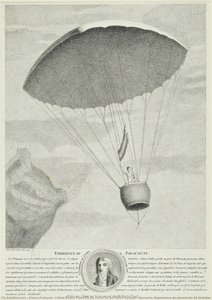
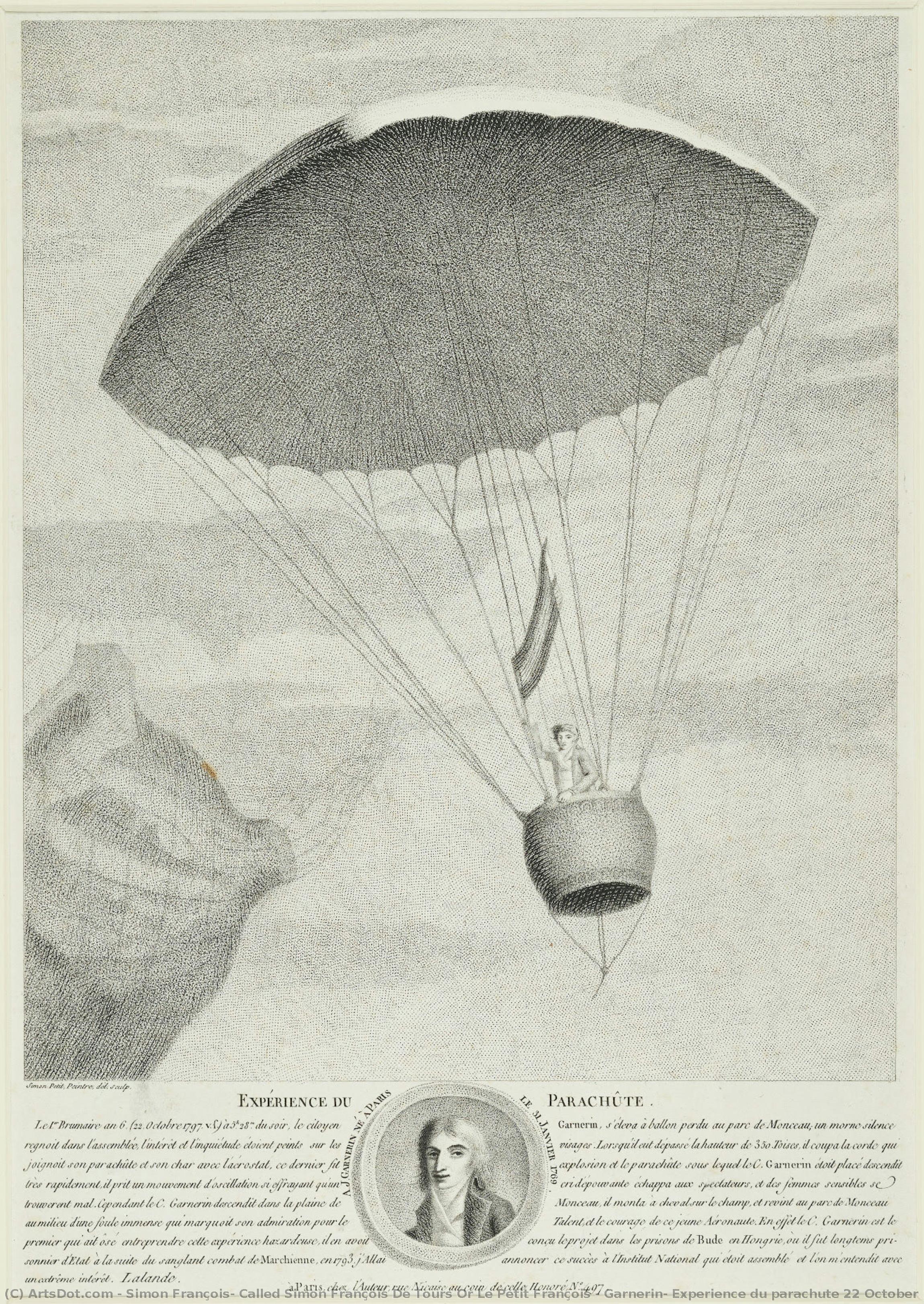
Garnerin, Experience du parachute 22 October 1797
 1797
1797 38.0 x 26.0 cm
 Science Museum
 Read More
Hand Made Oil Reproduction
Hand-painted oil on canvas in your size and frame, made to order by our artists. ( Buy Print Buy Image)




































Pick from our preset sizes that match the artwork's original proportions.

You may enter your own dimensions to fit a specific frame or space. If your selected size does not match the original image's proportions, we will either crop the artwork or extend the painting with additional hand-painted elements. A digital mockup will be sent for your approval before production begins.
Please note that the on-screen preview does not reflect the actual cropping or extension. Only the mockup will accurately show the final composition.
While custom sizes are available, we recommend selecting a dimension from the predefined list to preserve the original proportions.
After order, ArtsDot.com team will email client for instructions and provide a mockup preview
Worldwide Delivery () in 3/4 weeks instead of standard 5 weeks. (27 August). No compromise on quality.

Free Worldwide Express Shipping

High-Quality Linen Canvas

Full Shipping Insurance

Customs Tax Refund Guarantee

True Color Matching Guarantee

60-Day Return Policy (Defects Only)

100% Money-Back Guarantee

Bulk Discount Offer
 Glass option is only available in size under 110 CM

Garnerin, Experience du parachute 22 October 1797
Reproduction Medium
Reproduction Size
-


Total Price
$ 263
Related Artworks






Artist Biography
Early Life and Artistic Beginnings in Tours
Simon François, affectionately known as “Le Petit François,” emerged onto the French artistic landscape in 1606, born within the historic city of Tours. Unlike many aspiring artists of his era who benefited from established master workshops, François initially embarked on his creative journey largely self-taught. He demonstrated a natural inclination and burgeoning talent for painting, diligently honing his skills without formal guidance. This independent spirit would become a defining characteristic throughout his career.
Recognizing the limitations of solely relying on self-study, François made the pivotal decision to travel to Italy—a pilgrimage undertaken by countless artists seeking immersion in the heart of Renaissance and Baroque artistry. Bologna became his primary destination, where he encountered the profound influence of Guido Reni, a leading figure of the Bolognese school. The encounter proved transformative; Reni not only acknowledged François’s potential but generously gifted him a self-portrait, an honor that served as both inspiration and validation for the young painter.
Return to Paris and Royal Patronage
Upon his return to France, François settled in Paris, a city rapidly becoming a center of artistic innovation under the reign of Louis XIV. He quickly established himself as a sought-after portraitist, capturing the likenesses of prominent figures within the court and Parisian society. A particularly significant commission came with the opportunity to paint Louis XIV as Dauphin—a testament to his growing reputation and skill in portraying nobility.
François’s portraits were characterized by their meticulous detail, refined elegance, and ability to convey both physical resemblance and a sense of character. He skillfully blended Italian influences with emerging French aesthetic sensibilities, creating a style that resonated with the tastes of the aristocracy. His success initially promised a trajectory of fortune and fame; however, his career would take an unexpected turn.
A Shift in Fortune and Religious Works
Despite early acclaim, François experienced a decline in favor within the court, leading to a period of obscurity later in life. The reasons for this fall from grace remain somewhat unclear, but it likely involved shifting artistic preferences and political dynamics at Versailles. Undeterred, he continued to paint, turning his attention increasingly towards religious subjects.
He secured commissions for several churches, creating devotional works that showcased his mastery of composition and color. While these religious paintings did not achieve the same level of renown as his earlier portraits, they demonstrate a continuing commitment to artistic excellence and a willingness to adapt to changing circumstances. It is said he also produced etchings during this period, though few examples survive today.
Influences and Artistic Style
François’s artistic development was profoundly shaped by his exposure to the Italian Baroque style, particularly the works of Guido Reni. He adopted Reni's emphasis on classical forms, graceful figures, and balanced compositions. However, he infused these influences with a distinctly French sensibility—a greater attention to detail, refined elegance, and subtle psychological insight.
- Italian Baroque: The influence of artists like Guido Reni is evident in his use of classical forms and idealized figures.
- French Portraiture: He skillfully adapted Italian techniques to the conventions of French portrait painting, emphasizing detail and character.
- Religious Art: His religious works demonstrate a mastery of composition and color, reflecting his dedication to artistic excellence.
Legacy and Historical Significance
Simon François de Tours’s career represents a fascinating intersection of Italian influence and French artistic development. While he may not be as widely celebrated as some of his contemporaries, his portraits offer valuable insights into the tastes and sensibilities of the 17th-century French aristocracy. His ability to capture both physical likeness and psychological depth made him a sought-after artist during his most successful years.
Though his later life was marked by obscurity, François’s contributions to French art remain significant. He exemplifies the challenges faced by artists navigating shifting courtly preferences and the enduring power of artistic talent in adapting to changing circumstances. His work continues to be studied and appreciated for its elegance, refinement, and subtle psychological insight—a testament to the lasting legacy of “Le Petit François.”
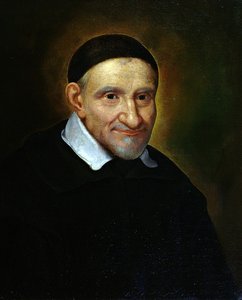
simon francois, called simon francois de tours or le petit francois
1606 - 1671 , France
Quick Facts
- Artistic Movement Or Style: Baroque, Portraiture
- Artists Who Influenced This Artist: ['Guido Reni']
- Date Of Birth: c. 1606
- Date Of Death: 1671
- Full Name: Simon François de Tours
- Nationality: French
- Notable Artworks: ['Portrait of Louis XIV as Dauphin']
- Place Of Birth: Tours, France