 Preview
 Send
Send Share
Share
 Details

 Download
 Similars
 X-Ray
X-Ray Diaporama
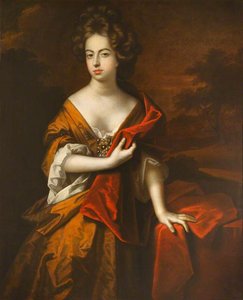
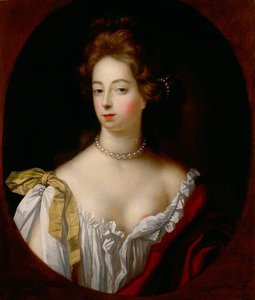
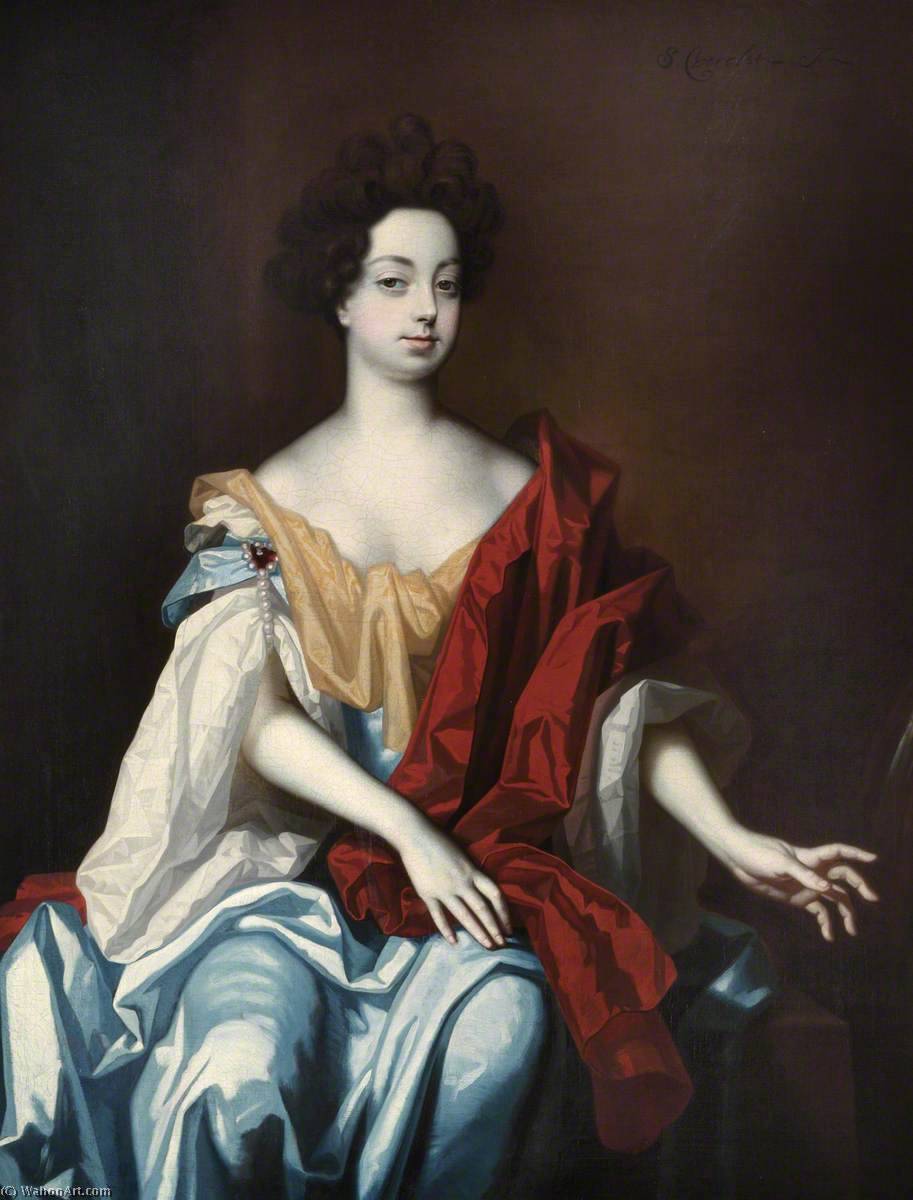
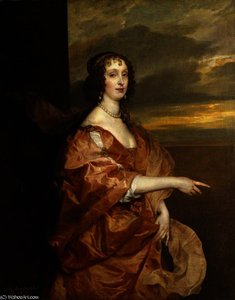
Nell Gwynne (1650–1687)
 122.0 x 96.0 cm
 The Royal Hospital Chelsea
 Read More
Hand Made Oil Reproduction
Hand-painted oil on canvas in your size and frame, made to order by our artists. ( Buy Print Buy Image)




































Pick from our preset sizes that match the artwork's original proportions.

You may enter your own dimensions to fit a specific frame or space. If your selected size does not match the original image's proportions, we will either crop the artwork or extend the painting with additional hand-painted elements. A digital mockup will be sent for your approval before production begins.
Please note that the on-screen preview does not reflect the actual cropping or extension. Only the mockup will accurately show the final composition.
While custom sizes are available, we recommend selecting a dimension from the predefined list to preserve the original proportions.
After order, ArtsDot.com team will email client for instructions and provide a mockup preview
Worldwide Delivery () in 3/4 weeks instead of standard 5 weeks. (23 August). No compromise on quality.

Free Worldwide Express Shipping

High-Quality Linen Canvas

Full Shipping Insurance

Customs Tax Refund Guarantee

True Color Matching Guarantee

60-Day Return Policy (Defects Only)

100% Money-Back Guarantee

Bulk Discount Offer
 Glass option is only available in size under 110 CM

Nell Gwynne (1650–1687)
Reproduction Medium
Reproduction Size
-


Total Price
$ 263
Related Artworks








Artist Biography
The Floral Poet of Delft: The Life and Legacy of Simon Pietersz Verelst
In the golden era of Dutch painting, few artists captured the ephemeral beauty of nature with as much grace and precision as Simon Pietersz Verelst. Known affectionately by his contemporaries as the "god of flowers," Verelst possessed a rare ability to breathe life into still life compositions, transforming mere botanical studies into profound meditations on existence. Born in The Hague in 1644, he emerged from a lineage deeply embedded in the artistic fabric of the Netherlands. His father, Pieter Harmensz Verelst, had already established a formidable reputation in Antwerp, providing Simon with a foundation of technical excellence and an early immersion in the meticulous traditions of Northern European art.
Verelst’s formative years were defined by rigorous training and the influence of masters who championed the fine details of reality. Studying at the confrerie pictura in The Hague alongside his brother Herman, he came under the direct tutelage of the legendary Gerrit Dou. From Dou, Verelst inherited a mastery of chiaroscuro—that dramatic, soulful interplay between light and shadow that gives objects weight and presence. This early exposure to the Leiden fijnschilder style instilled in him a lifelong devotion to precision, ensuring that every dewdrop on a petal and every subtle vein on a leaf was rendered with scientific accuracy and artistic soul.
A Journey from Dutch Realism to Lyrical Brilliance
As his career progressed, Verelst’s style underwent a captivating evolution. While his early works remained anchored in the stark realism of his mentors, he gradually moved toward a more atmospheric and lyrical aesthetic. He began to prioritize luminous color palettes and a sense of depth that invited the viewer into a dreamlike garden. His compositions became less about the mere cataloging of species and more about capturing the essence of the bloom—the delicate fragility of a wilting rose or the vibrant, fleeting energy of a spring tulip. This transition allowed him to bridge the gap between botanical documentation and high art, creating works that resonated emotionally with the viewer.
His mastery was not limited to the floral realm; Verelst was also a distinguished portraitist capable of capturing the dignity of the era's elite. His ability to render textures—the heavy sheen of silk, the intricate lace of a collar, and the soft glow of skin—made him a sought-after painter for aristocratic subjects. This duality in his talent, moving between the intimate world of still life and the formal world of portraiture, allowed him to navigate the diverse demands of the 17th-century art market with remarkable success.
The London Years and Historical Significance
In 1668, seeking to expand his horizons and tap into new artistic markets, Verelst relocated to London. This move marked a significant chapter in his life, as he brought the sophisticated techniques of the Dutch Golden Age to the English capital. In London, his work continued to flourish, and he became an integral part of the international art scene. Though his life eventually came to an end in England around 1721, his impact remained deeply rooted in the traditions he carried from the Netherlands.
The historical significance of Simon Pietersz Verelst lies in his ability to elevate the still life genre to a level of poetic expression. His works serve as enduring windows into the 17th century, reflecting both the scientific curiosity of the age and the profound human connection to the natural world. Today, his masterpieces, such as his iconic "A Vase of Flowers," continue to enchant collectors and historians alike, standing as a testament to a lifetime spent chasing the light and celebrating the transient beauty of life.
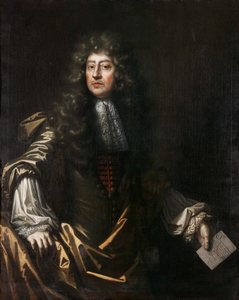
simon pietersz verelst
1644 - 1721 , Netherlands
Quick Facts
- Artistic Movement Or Style: Golden Age
- Artists Or Movements Influenced By This Artist: ['Baroque']
- Artists Who Influenced This Artist: ['Gerrit Dou']
- Date Of Birth: 1644, The Hague
- Date Of Death: ca. 1721, London
- Full Name: Simon Pietersz Verelst
- Nationality: Dutch
- Notable Artworks:
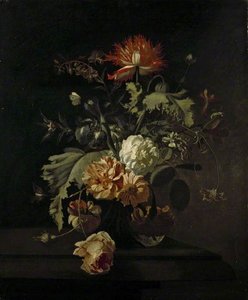
- A Vase of Flowers
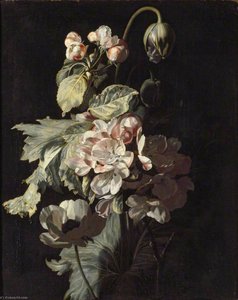
- Still Life of Apple Blossom
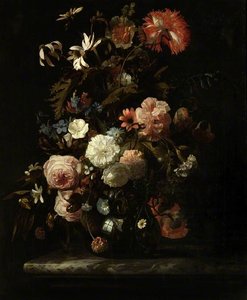
- Group of Flowers
- Place Of Birth: The Hague, Netherlands