

 Preview
 Send
Send Share
Share
 Details

 Download
 Similars
 X-Ray
X-Ray Diaporama
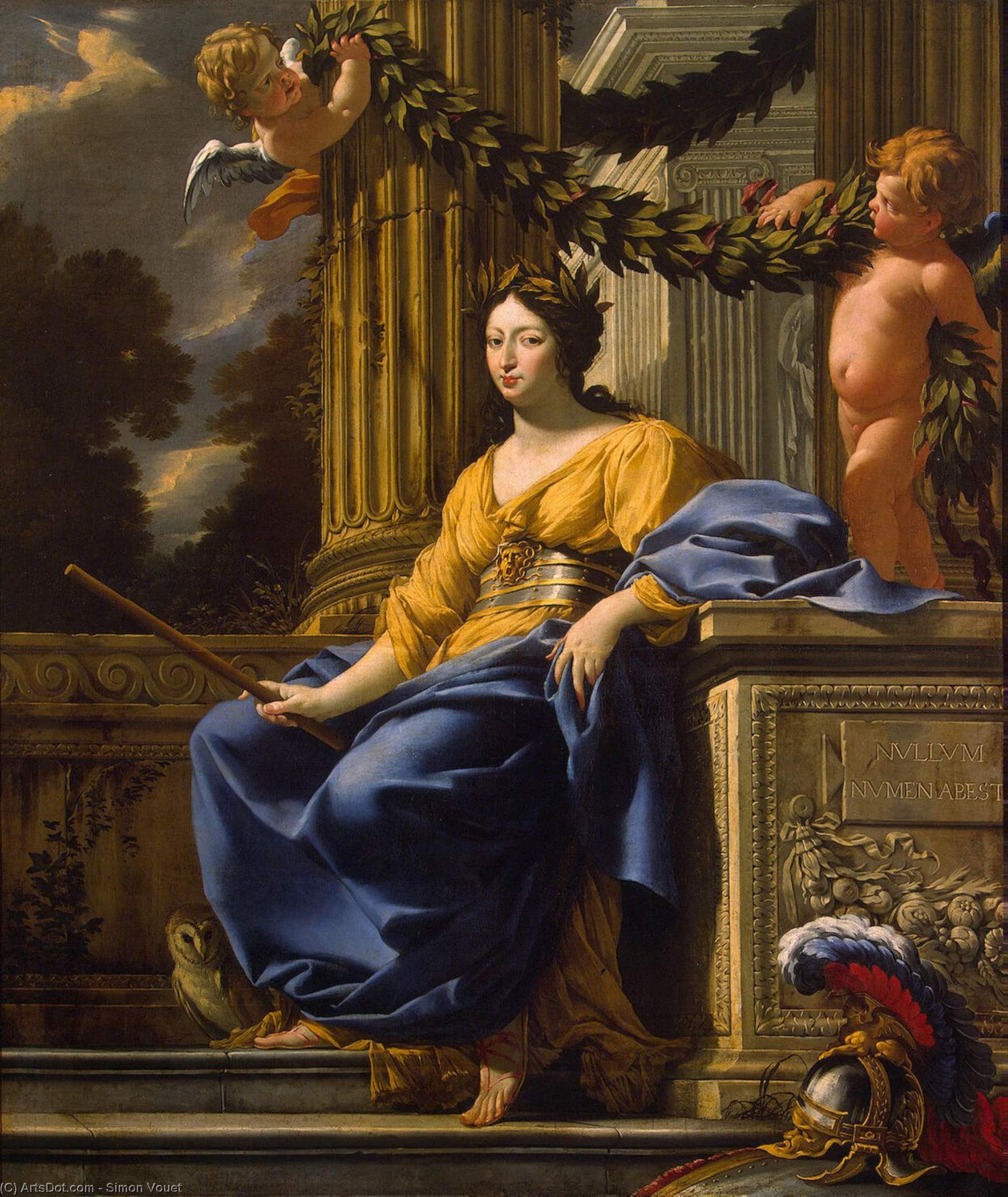
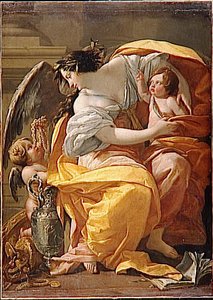
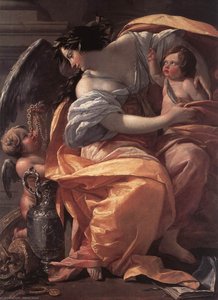
Allegorical Portrait of Anna of Austria as Minerva
 Oil On Canvas
- WallArt
- Baroque Painting
 1640
1640- Early Modern
 202.0 x 172.0 cm
 Hermitage Museum
 Read More
Purchase a high-resolution, enhanced digital image, far superior to the online preview.
Each file is meticulously prepared by our in-house specialists using advanced tools and expert manual retouching. We ensure every image has exceptional clarity, precise color accuracy, and fine detail.
The final file is delivered via email within 72 hours, optimized for immediate use in professional, editorial, and print environments. This is the same quality trusted by top-tier design studios, publishers, and galleries.
Digital Image
Download a high-resolution file for personal display, printing, and creative projects. ( Buy Print Buy Hand Made Painting)
Included in Every Digital Image Order
Expert Digital Delivery, Guaranteed
When you choose ArtsDot.com, you're not just getting an image - you're receiving a professionally enhanced digital artwork, crafted with precision and backed by a satisfaction guarantee. Here's everything that comes with your order, automatically:

Fast Email Delivery
Your high-resolution digital image file will be emailed to you within 72 hours of ordering - ready for immediate use.

AI-Enhanced Digital File
Your artwork is professionally optimized using advanced AI tools and manual editing, ensuring maximum detail, clarity, and color accuracy.

Free Lifetime Re-Delivery
Accidentally deleted or lost your file? No worries - we'll resend it to you anytime, free of charge.

No Import Fees - Ever
Enjoy your artwork instantly with zero customs, duties, or delivery fees - digital downloads are always tax-free.

Color Accuracy Guarantee
We ensure your digital image reflects the original colors as closely as possible using professional tools and color management.

60-Day Satisfaction Guarantee
If you're not satisfied with your digital image, we'll revise it or refund 100% within 60 days - no questions asked.

100% Money-Back Guarantee
Not satisfied? Get a full refund within 60 days of receiving your digital file - no questions asked.

Bulk Order Discounts
Buy 3 images, save 10% - Buy 5, save 15% - Buy 10+, save 20%. Great for creative projects, galleries, and agencies.
Simon Vouet’s Allegorical Portrait of Anna of Austria as Minerva: A Synthesis of Mannerism and Baroque Ideal
Simon Vouet's *Allegorical Portrait of Anna of Austria as Minerva*, painted in 1640, stands as a remarkable testament to the evolving artistic landscape of France during the reign of Louis XIV. Emerging from the waning embers of Mannerist formalism, Vouet deftly ushered in the radiant dawn of Baroque idealism—a stylistic fusion that cemented his place among the foremost painters of his era and continues to captivate audiences today. This monumental canvas transcends mere portraiture; it’s a carefully crafted allegory designed to elevate Anna of Austria's status as Empress and embody the virtues associated with Minerva, Roman goddess of wisdom and strategic warfare.A Mannerist Foundation Transformed
Vouet’s early training under Rosso Fiorentino instilled in him a profound appreciation for Mannerist principles—characterized by elongated figures, stylized drapery, and an emphasis on intellectual contemplation. However, Vouet swiftly recognized the limitations of this stylistic approach and embarked upon a transformative journey toward Baroque grandeur. He meticulously studied the works of Rubens and Caravaggio, absorbing their dynamic compositions and masterful use of chiaroscuro—the dramatic interplay between light and shadow—techniques that would become hallmarks of his distinctive style. This deliberate assimilation of Baroque innovations resulted in a visual language infused with movement, vibrancy, and emotional intensity.Symbolism Embodied: Minerva’s Virtues
The portrait's symbolism is layered and meticulously considered. Anna of Austria is depicted seated upon steps—a gesture signifying authority and stability—surrounded by two cherubs who represent innocence and divine grace. Crucially, she holds aloft a staff adorned with a laurel wreath—the emblem of Minerva—underscoring her intellectual prowess and military leadership. The presence of birds—specifically doves—further reinforces themes of peace and contemplation, juxtaposed against the assertive stance of the Empress. Vouet’s masterful depiction captures not merely Anna's physical appearance but also her inner spirit—a reflection of the goddess she embodies.Technique: Mastering Chiaroscuro and Texture
Vouet’s technical prowess is evident in his meticulous rendering of textures and surfaces. He employs a technique known as sfumato—characterized by subtle gradations of tone—to create an ethereal luminosity that softens the contours of Anna's figure and drapery. Simultaneously, he utilizes impasto—thickly applied paint—to imbue the canvas with palpable physicality—particularly in the staff and cherubs’ garments—enhancing visual depth and conveying a sense of dynamism. These masterful manipulations of pigment contribute significantly to the painting’s overall impact, transporting viewers into a realm of idealized beauty and intellectual contemplation.Historical Context: The Ascendancy of Louis XIV
Painted during the formative years of Louis XIV's reign, *Allegorical Portrait of Anna of Austria as Minerva* reflects the burgeoning influence of royal patronage on artistic endeavors. Vouet’s commission exemplifies the Baroque court’s desire to project an image of regal splendor and intellectual sophistication—a deliberate effort to solidify Louis XIV’s dominion over Europe. The painting served as a powerful visual declaration of Anna's imperial status, aligning her with the virtues deemed essential for maintaining dynastic stability and upholding the glory of France under Louis XIV’s rule. It stands as an enduring emblem of artistic innovation and royal ambition—a masterpiece that continues to inspire admiration and scholarly inquiry centuries after its creation.Related Artworks
Artist Biography
Simon Vouet: A Pioneer of French Baroque Painting
- Born: January 9, 1590, Paris, France
- Died: June 30, 1649, Paris, France
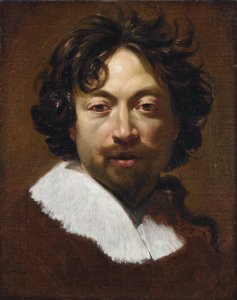
Simon Vouet was a pivotal figure in the transition of French painting from Mannerism to the Baroque style. Born into an artistic family – his father Laurent was a painter and his brother Aubin also pursued art – Vouet received early training that laid the foundation for his future success. His grandson, Ludovico Dorigny, would continue the family’s artistic legacy.
Early Career and Italian Influences (1608-1627)
- Early Portraiture: Vouet began his career as a portraitist, demonstrating early talent.
- Travel to England (1608): At the young age of 14, he traveled to England to paint a commissioned portrait, showcasing his burgeoning reputation.
- Ottoman Empire and Venice: In 1611, Vouet joined the entourage of Baron de Sancy, French ambassador to the Ottoman Empire, again for portraiture work. This journey took him through Constantinople and then to Venice in 1612.
- Rome (1614-1627): His time in Rome proved transformative. He remained there for thirteen years, immersing himself in the vibrant artistic scene of the burgeoning Baroque period.
During his Italian sojourn, Vouet absorbed a diverse range of influences. He studied the dramatic lighting techniques pioneered by Caravaggio, embraced elements of Italian Mannerism, and meticulously analyzed the color palettes and di sotto in su (foreshortened perspective) employed by Paolo Veronese. He also drew inspiration from the works of Carracci, Guercino, Lanfranco, and Guido Reni, synthesizing these diverse styles into a unique artistic vision.
Development of Vouet’s Distinctive Style
- Election to Accademia di San Luca (1624): His success in Rome culminated in his election as president of the prestigious Accademia di San Luca, a testament to his skill and recognition within the Italian art world.
- Synthesis of Influences: Vouet’s style was characterized by its ability to absorb and distill various artistic influences. He didn't simply copy; he integrated these elements into a cohesive and distinctly Italianate Baroque aesthetic.
- Introduction of Baroque to France: Upon his return to France in 1627, Vouet played a crucial role in introducing the Italian Baroque style to French painting, significantly impacting the artistic landscape of the country.
Major Achievements and Legacy
- Premier Peintre du Roi: Vouet was appointed Premier peintre du Roi (First Painter to the King) – a position of considerable prestige and influence.
- Prolific Workshop: He maintained a large and active workshop, training numerous artists who would shape the subsequent generation of French painters.
- Notable Pupils: Among his most influential pupils were Charles Le Brun (who later organized all decorative painting at Versailles), Valentin de Boulogne, Charles Alphonse du Fresnoy, Pierre Mignard, Eustache Le Sueur, and Claude Mellan.
- Influence on French Art: Vouet’s impact extended beyond his own works; his students carried his style and techniques throughout France, establishing a distinctively Baroque school of painting. His influence is particularly evident in the grand decorative schemes commissioned by Louis XIV.
Historical Significance
Simon Vouet's legacy rests on his pivotal role as a bridge between Italian and French art. He successfully imported the dynamism and grandeur of the Italian Baroque, transforming it into a style that resonated with the tastes of the French court and aristocracy. His influence is undeniable in the development of French painting during the 17th century, and his contributions continue to be recognized by art historians today.
Simon Vouet
1590 - 1649 , France
Quick Facts
- Artistic Movement Or Style: Baroque painting
- Artists Or Movements Influenced By This Artist:
- Charles Le Brun
- Valentin de Boulogne
- French Baroque painting
- Artists Who Influenced This Artist:
- Caravaggio
- Paolo Veronese
- Carracci
- Guercino
- Lanfranco
- Guido Reni
- Date Of Birth: January 9, 1590
- Date Of Death: June 30, 1649
- Full Name: Simon Vouet
- Nationality: French
- Place Of Birth: Paris, France

