

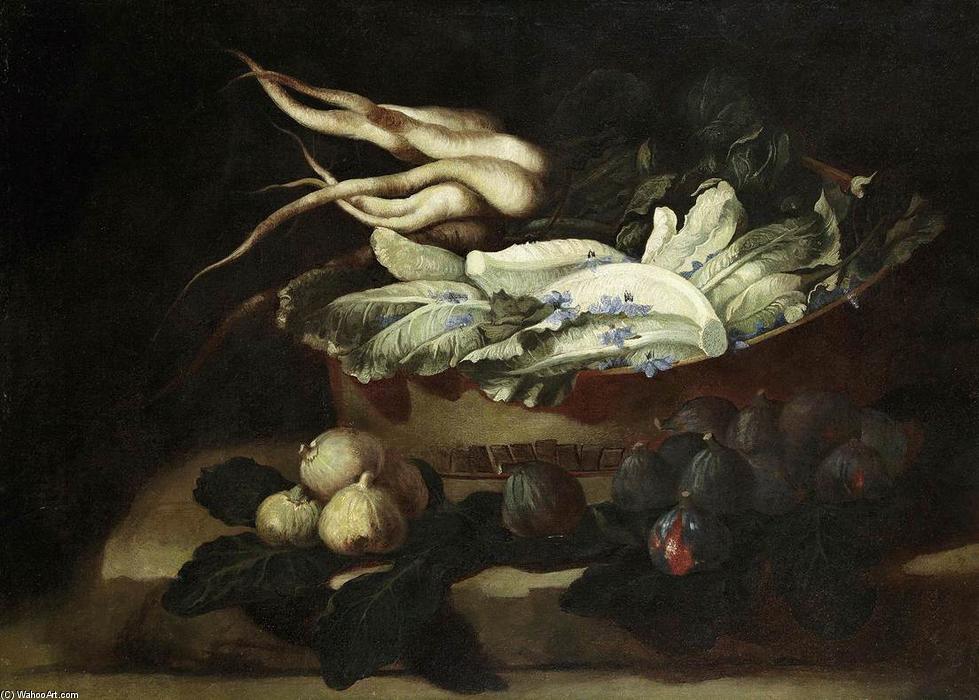
 Preview
 Send
Send Share
Share
 Details

 Download
 Similars
 X-Ray
X-Ray Diaporama
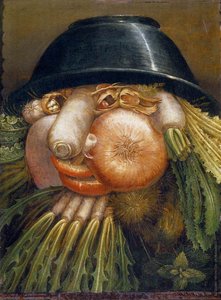
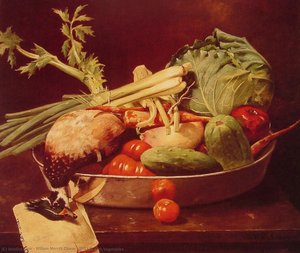
Still-Life of Vegetables
 58.0 x 80.0 cm
 Read More
Purchase a high-resolution, enhanced digital image, far superior to the online preview.
Each file is meticulously prepared by our in-house specialists using advanced tools and expert manual retouching. We ensure every image has exceptional clarity, precise color accuracy, and fine detail.
The final file is delivered via email within 72 hours, optimized for immediate use in professional, editorial, and print environments. This is the same quality trusted by top-tier design studios, publishers, and galleries.
Digital Image
Download a high-resolution file for personal display, printing, and creative projects. ( Buy Print Buy Hand Made Painting)
Included in Every Digital Image Order
Expert Digital Delivery, Guaranteed
When you choose ArtsDot.com, you're not just getting an image - you're receiving a professionally enhanced digital artwork, crafted with precision and backed by a satisfaction guarantee. Here's everything that comes with your order, automatically:

Fast Email Delivery
Your high-resolution digital image file will be emailed to you within 72 hours of ordering - ready for immediate use.

AI-Enhanced Digital File
Your artwork is professionally optimized using advanced AI tools and manual editing, ensuring maximum detail, clarity, and color accuracy.

Free Lifetime Re-Delivery
Accidentally deleted or lost your file? No worries - we'll resend it to you anytime, free of charge.

No Import Fees - Ever
Enjoy your artwork instantly with zero customs, duties, or delivery fees - digital downloads are always tax-free.

Color Accuracy Guarantee
We ensure your digital image reflects the original colors as closely as possible using professional tools and color management.

60-Day Satisfaction Guarantee
If you're not satisfied with your digital image, we'll revise it or refund 100% within 60 days - no questions asked.

100% Money-Back Guarantee
Not satisfied? Get a full refund within 60 days of receiving your digital file - no questions asked.

Bulk Order Discounts
Buy 3 images, save 10% - Buy 5, save 15% - Buy 10+, save 20%. Great for creative projects, galleries, and agencies.
Related Artworks
Artist Biography
Johannes Vermeer: A Master of Light and Domesticity
Johannes Vermeer, a name synonymous with Delft in the 17th century, remains one of the most enigmatic and beloved figures in Western art. Born in Delft in 1632, his life was remarkably short – he died just twelve years later at the age of forty-three – yet during that brief period, he produced an astonishingly small number of paintings: approximately forty-five works are currently known to exist. This scarcity, coupled with his unique artistic vision and masterful manipulation of light, has fueled centuries of speculation and admiration. Unlike many of his contemporaries who thrived in the bustling centers of art patronage, Vermeer largely operated within a modest circle, painting primarily for private collectors and merchants in Delft, a city renowned for its thriving trade and sophisticated clientele. His career was marked by relative obscurity during his lifetime, but it wasn’t until the late 19th century that his work began to receive widespread recognition, establishing him as a towering figure of the Dutch Golden Age.Early Life and Artistic Training
The details surrounding Vermeer's early life are surprisingly sparse. He was the son of Harmen Jansz van der Meer, a prosperous draper who later became an innkeeper and art dealer. This family connection to the art world undoubtedly played a crucial role in shaping young Johannes’s artistic inclinations. While his father’s business may have provided him with exposure to various artworks, there is no definitive evidence to suggest that Vermeer received formal training from a recognized master. He likely honed his skills through observation and independent study, absorbing influences from a diverse range of artists – from the dramatic chiaroscuro of Caravaggio to the meticulous detail of Frans Hals. Some scholars believe he may have been influenced by Carel Fabritius, a fellow Delft painter known for his innovative use of perspective and light. Vermeer’s early works demonstrate a clear assimilation of these influences, reflecting a willingness to experiment and adapt rather than rigidly adhering to established conventions.A Unique Style: Light, Color, and Domestic Scenes
What distinguishes Vermeer's art is not the grand scale or dramatic subject matter of many of his contemporaries, but rather his extraordinary ability to capture the subtle nuances of light and color within intimate domestic settings. His paintings often depict ordinary scenes – a woman reading, a girl with a pearl earring, a still life of fruit – yet they are imbued with an almost palpable sense of atmosphere and realism. Vermeer’s technique was remarkably meticulous; he applied paint in thin layers, building up the image gradually to achieve a luminous quality that seems to emanate from within the canvas. He employed a sophisticated understanding of optics, carefully studying how light interacts with surfaces and creating a remarkable illusion of depth and three-dimensionality. His use of color is equally masterful – muted tones dominate his palette, but he skillfully layered these colors to create subtle shifts in hue and value, adding richness and complexity to his compositions.- Key Characteristics: Precise observation of light, meticulous detail, subdued color palettes, intimate domestic scenes.
- Notable Techniques: Layered application of paint, careful study of optics, subtle use of color variations.
Major Works and Influences
Among Vermeer’s most celebrated paintings are *Girl with a Pearl Earring* (1665), arguably the most recognizable portrait in art history; *The Art of Painting* (c. 1664-66), a witty commentary on the artistic process; and *View of Delft* (1658-59), a masterful depiction of his hometown bathed in the soft glow of twilight. These works, along with others such as *Woman Reading a Letter*, *The Milkmaid*, and *Young Woman with a Lute*, offer a glimpse into Vermeer’s artistic vision and his ability to capture the essence of everyday life. While Vermeer's work was largely unknown during his lifetime, it has been profoundly influenced by several artists and movements. Caravaggio’s dramatic use of light and shadow is evident in many of Vermeer’s paintings, while the meticulous detail and realism of Frans Hals are reflected in his portraits. The influence of Pieter de Hooch, another Delft painter known for his atmospheric landscapes and domestic scenes, can also be discerned in Vermeer's work.Legacy and Historical Significance
Despite his relatively short career and limited output, Johannes Vermeer’s impact on the history of art is immeasurable. His innovative use of light, color, and perspective revolutionized painting techniques, paving the way for future generations of artists. He demonstrated a remarkable ability to capture the beauty and complexity of ordinary life, elevating everyday subjects to the level of high art. In the 20th century, Vermeer’s work experienced a dramatic revival, fueled by the writings of art historians and critics who recognized his genius. Today, his paintings are among the most prized possessions in museums around the world, attracting millions of visitors each year. Johannes Vermeer remains not only a master painter but also a symbol of artistic innovation, quiet contemplation, and the enduring power of light. His legacy continues to inspire artists and captivate audiences with its timeless beauty and profound emotional resonance.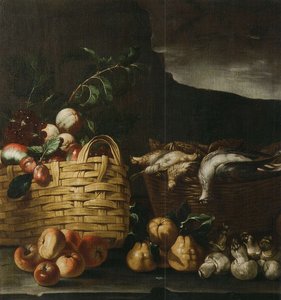
simone del tintore
1630 - 1708 , Italy
Quick Facts
- Artistic Movement Or Style: Baroque/Realism
- Artists Or Movements Influenced By This Artist:
- Romanticism
- Dutch Masters
- Artists Who Influenced This Artist:
- Michelangelo
- Caravaggio
- Jan Vermeer
- Date Of Birth: 1630
- Date Of Death: 1708
- Full Name: Rembrandt Harmenszoon van Rijn
- Nationality: Dutch
- Notable Artworks:
- The Night Watch
- The Anatomy Lesson
- Self-Portrait with Saskia
- Place Of Birth: Leiden, Netherlands

