

 Preview
 Send
Send Share
Share
 Details

 Download
 Similars
 X-Ray
X-Ray Diaporama
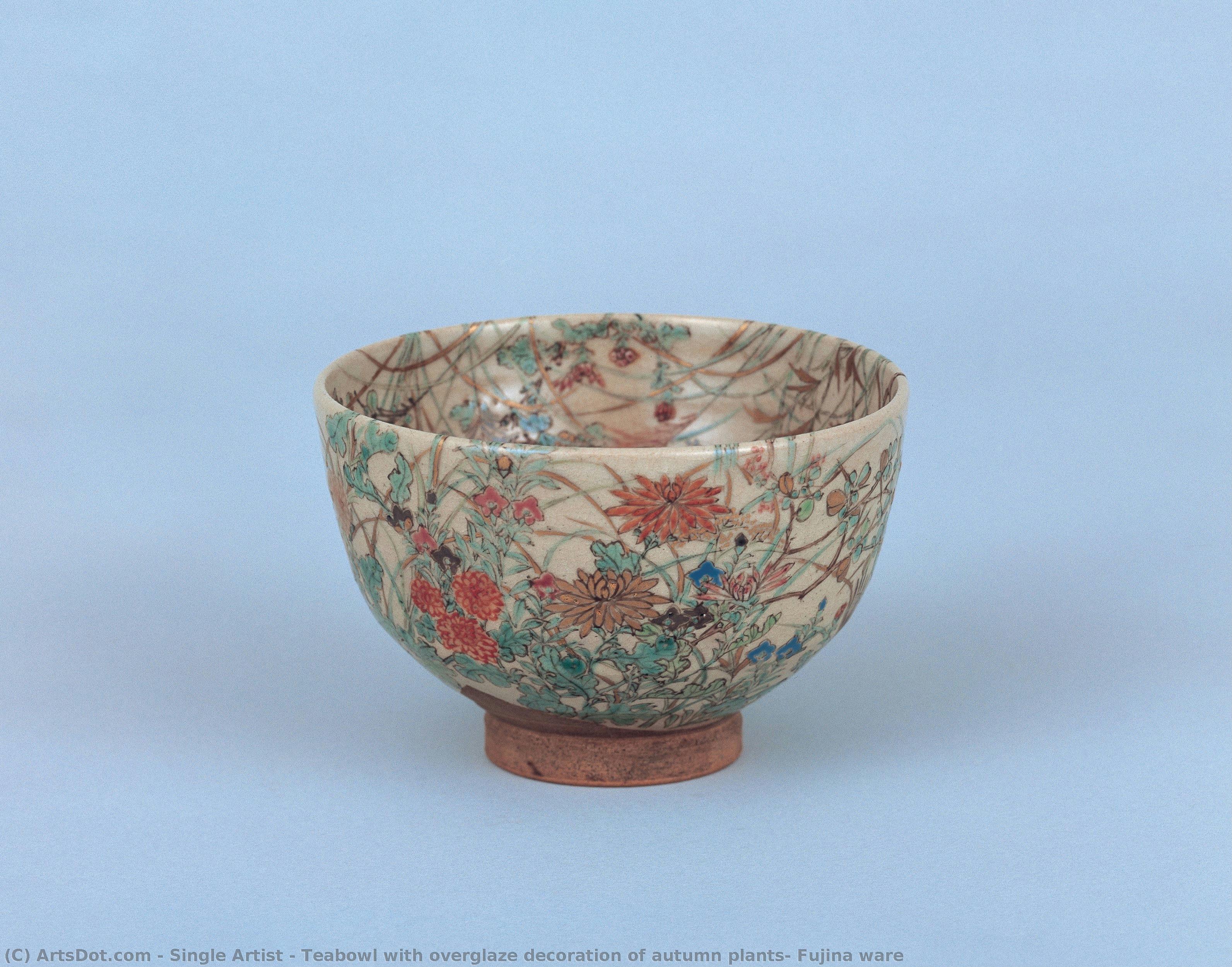
Teabowl with overglaze decoration of autumn plants, Fujina ware

 Read More
Purchase a high-resolution, enhanced digital image, far superior to the online preview.
Each file is meticulously prepared by our in-house specialists using advanced tools and expert manual retouching. We ensure every image has exceptional clarity, precise color accuracy, and fine detail.
The final file is delivered via email within 72 hours, optimized for immediate use in professional, editorial, and print environments. This is the same quality trusted by top-tier design studios, publishers, and galleries.
Digital Image
Download a high-resolution file for personal display, printing, and creative projects. ( Buy Print Buy Hand Made Painting)
Included in Every Digital Image Order
Expert Digital Delivery, Guaranteed
When you choose ArtsDot.com, you're not just getting an image - you're receiving a professionally enhanced digital artwork, crafted with precision and backed by a satisfaction guarantee. Here's everything that comes with your order, automatically:

Fast Email Delivery
Your high-resolution digital image file will be emailed to you within 72 hours of ordering - ready for immediate use.

AI-Enhanced Digital File
Your artwork is professionally optimized using advanced AI tools and manual editing, ensuring maximum detail, clarity, and color accuracy.

Free Lifetime Re-Delivery
Accidentally deleted or lost your file? No worries - we'll resend it to you anytime, free of charge.

No Import Fees - Ever
Enjoy your artwork instantly with zero customs, duties, or delivery fees - digital downloads are always tax-free.

Color Accuracy Guarantee
We ensure your digital image reflects the original colors as closely as possible using professional tools and color management.

60-Day Satisfaction Guarantee
If you're not satisfied with your digital image, we'll revise it or refund 100% within 60 days - no questions asked.

100% Money-Back Guarantee
Not satisfied? Get a full refund within 60 days of receiving your digital file - no questions asked.

Bulk Order Discounts
Buy 3 images, save 10% - Buy 5, save 15% - Buy 10+, save 20%. Great for creative projects, galleries, and agencies.
Related Artworks









Artist Biography
Utamaro: A Pioneer of Japanese Printmaking and Portraiture
Kitagawa Utamaro (喜多川歌麿), born Ichitarō Kitagawa c. 1753 in Kyoto, Japan, stands as one of the most celebrated figures within the Edo period’s artistic landscape—specifically, the realm of *ukiyo-e*, or woodblock prints. His prolific output spanned decades and cemented his reputation as a master of capturing human emotion and beauty through meticulously crafted monochrome compositions. While biographical details remain somewhat sparse due to the limitations of archival records from that era, scholarly research has pieced together a portrait of an artist deeply attuned to both artistic innovation and societal observation.- Early Life & Training: Utamaro’s formative years were spent in Kyoto’s artisan district, where he apprenticed under his father, a porcelain craftsman—a connection that instilled within him a foundational understanding of craftsmanship and aesthetic refinement. This upbringing fostered an appreciation for detail and precision, qualities that would become hallmarks of his artistic style.
- Emergence as Artist: Utamaro’s breakthrough came in Osaka during the mid-1780s when he began collaborating with Hiroshige on monumental landscape prints—a partnership that propelled him to international acclaim. However, it was his solo portraits that truly distinguished him from contemporaries and established his enduring legacy.
The Art of Portraiture: Capturing Essence Through Line and Tone
Utamaro’s portraiture transcended mere likeness; he sought to convey psychological depth and emotional nuance—a remarkable achievement considering the constraints imposed by *ukiyo-e*'s monochrome medium. Unlike Western artists who utilized color to heighten expressive impact, Utamaro skillfully employed subtle variations in line weight and tonal gradation to sculpt forms and imbue subjects with palpable feeling. His portraits often depicted women—particularly courtesans—with an unprecedented level of sensitivity and empathy, portraying them not as objects of desire but as individuals possessing inner lives and aspirations. He meticulously studied facial expressions, posture, and gesture, translating these observations into evocative visual representations that continue to resonate with viewers today.- Technique: Utamaro’s technique involved transferring ink onto paper using a series of brushes and damp cloths—a painstaking process demanding considerable skill and patience. He favored delicate linework combined with tonal shading to create textures and contours that conveyed volume and depth.
- Subject Matter: His subjects ranged from noble ladies and geishas to ordinary people—reflecting the diverse tapestry of Edo society. Utamaro’s depictions captured moments of everyday life, conveying both beauty and melancholy with equal grace.
Influences & Artistic Style
Utamaro's artistic vision was profoundly shaped by several influential currents within Japanese art history. The influence of Kano School painting—characterized by its idealized depictions of aristocratic subjects—can be discerned in his meticulous attention to detail and compositional balance. Simultaneously, he absorbed elements from Chinese landscape prints—particularly those emphasizing atmospheric perspective—incorporating these techniques into his own compositions. However, Utamaro’s distinctive style ultimately emerged as a synthesis of these influences, tempered by his unwavering commitment to capturing human emotion and portraying subjects with profound psychological insight.- Notable Works: Among Utamaro's most celebrated prints are “The Laughing Girl” (Laughing Girl), “A Woman Admiring Her Reflection,” and “Peach Blossom Viewing,” which exemplify his masterful command of line and tone—and remain among the finest achievements of *ukiyo-e*.
Legacy & Historical Significance
Utamaro’s artistic innovations irrevocably altered the trajectory of Japanese printmaking, establishing a new standard for portraiture and influencing generations of artists to come. His empathetic portrayal of women—particularly courtesans—challenged prevailing social conventions and contributed to a more nuanced understanding of female subjectivity. Furthermore, Utamaro's work served as a powerful commentary on Edo society—capturing both its splendor and its anxieties—and securing his place as one of Japan’s most enduring artistic icons. His prints continue to inspire admiration for their beauty, subtlety, and psychological depth—testaments to the transformative power of art and the genius of Kitagawa Utamaro.
single artist
1753 - 1818 , Japan
Quick Facts
- Artistic Movement Or Style: Ukiyo-e
- Artists Or Movements Influenced By This Artist: ['']
- Artists Who Influenced This Artist: ['']
- Date Of Death: October 31, 1806
- Full Name: Kitagawa Ichitarō
- Nationality: Japanese
- Notable Artworks: ['Teabowl with overglaze decoration of autumn plants']
- Place Of Birth: Guildford

