

 Preview
 Send
Send Share
Share
 Details

 Download
 Similars
 X-Ray
X-Ray Diaporama
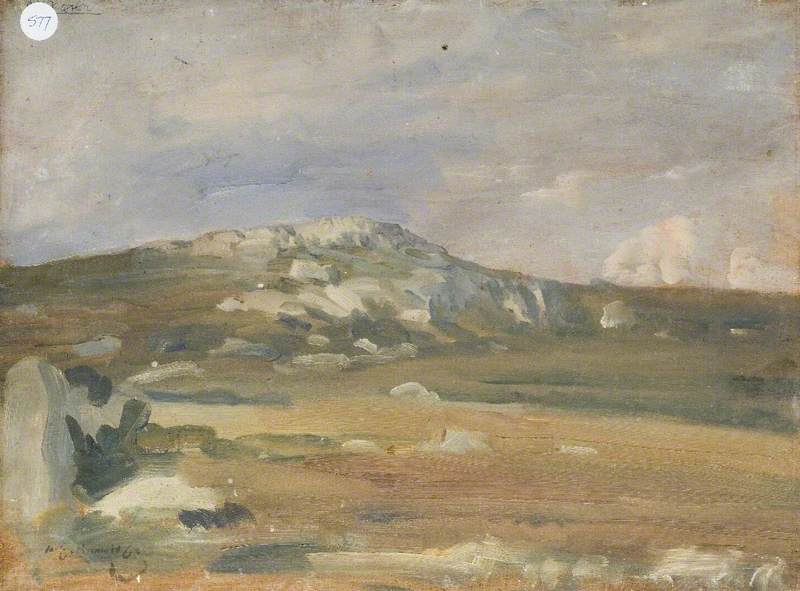
An Exmoor Landscape (verso)
 Oil On Canvas
- WallArt
- Impressionism
 19th Century
 31.0 x 41.0 cm
 The Munnings Art Museum
 Read More
Purchase a high-resolution, enhanced digital image, far superior to the online preview.
Each file is meticulously prepared by our in-house specialists using advanced tools and expert manual retouching. We ensure every image has exceptional clarity, precise color accuracy, and fine detail.
The final file is delivered via email within 72 hours, optimized for immediate use in professional, editorial, and print environments. This is the same quality trusted by top-tier design studios, publishers, and galleries.
Digital Image
Download a high-resolution file for personal display, printing, and creative projects. ( Buy Print Buy Hand Made Painting)
Included in Every Digital Image Order
Expert Digital Delivery, Guaranteed
When you choose ArtsDot.com, you're not just getting an image - you're receiving a professionally enhanced digital artwork, crafted with precision and backed by a satisfaction guarantee. Here's everything that comes with your order, automatically:

Fast Email Delivery
Your high-resolution digital image file will be emailed to you within 72 hours of ordering - ready for immediate use.

AI-Enhanced Digital File
Your artwork is professionally optimized using advanced AI tools and manual editing, ensuring maximum detail, clarity, and color accuracy.

Free Lifetime Re-Delivery
Accidentally deleted or lost your file? No worries - we'll resend it to you anytime, free of charge.

No Import Fees - Ever
Enjoy your artwork instantly with zero customs, duties, or delivery fees - digital downloads are always tax-free.

Color Accuracy Guarantee
We ensure your digital image reflects the original colors as closely as possible using professional tools and color management.

60-Day Satisfaction Guarantee
If you're not satisfied with your digital image, we'll revise it or refund 100% within 60 days - no questions asked.

100% Money-Back Guarantee
Not satisfied? Get a full refund within 60 days of receiving your digital file - no questions asked.

Bulk Order Discounts
Buy 3 images, save 10% - Buy 5, save 15% - Buy 10+, save 20%. Great for creative projects, galleries, and agencies.
Collectible Description
Sir Alfred James Munnings: A Vision of Rural England
Alfred James Munnings (1878 – 1959) stands as an undisputed titan amongst British landscape painters, particularly those devoted to capturing the spirit of equestrian pursuits and the timeless beauty of rural England. More than merely documenting scenery; Munnings sought to distill a feeling—a palpable atmosphere—that was rapidly fading into memory as Britain transitioned towards modernity. His canvases aren’t simply representations of places; they are embodiments of an era, imbued with nostalgia for traditions rooted in hunting, folklore, and the rhythms of the countryside.
- Early Influences: Munnings's artistic genesis unfolded outside the rigid structures of academic art institutions. Instead, he honed his craft at Norwich School of Art, absorbing the lessons of Impressionistic painters like those inhabiting Newlyn School in Cornwall. This immersion fostered a profound appreciation for capturing light and atmosphere directly from nature—a cornerstone of his distinctive style.
- The Great War Artist: The First World War irrevocably altered Munnings’s artistic worldview and elevated his public stature. Despite initial medical assessments deeming him unfit for military service, he bravely enlisted with the Canadian Cavalry Brigade, documenting the crucial role horses played in sustaining the war effort. His wartime paintings transcend mere visual record; they convey a poignant awareness of sacrifice and resilience—capturing somber beauty amidst profound suffering.
- Post-War Recognition & Artistic Philosophy: Following the cessation of hostilities, Munnings experienced an unprecedented surge in acclaim and financial stability. Prestigious commissions flooded in, affording him the opportunity to acquire Castle House in Dedham, Essex – a cherished sanctuary that served as both his home and studio until his passing. He became a celebrated portraitist, skillfully conveying not only physical likeness but also character and spirit—establishing himself as one of Britain’s foremost artists.
- A Champion of Tradition: Munnings vehemently defended conventional artistic values against the burgeoning modernist movements that challenged established aesthetic precepts. His impassioned 1949 BBC radio broadcast delivered a blistering critique of Cubism and Surrealism, fueled by considerable alcohol consumption—yet underpinned by a steadfast conviction in preserving artistic standards and celebrating beauty through representational painting.
Munnings’s oeuvre is characterized by an unwavering devotion to capturing the essence of rural England – specifically its equestrian traditions. His paintings resonate with a deep empathy for both the land and its inhabitants, conveying not just visual splendor but also an emotional depth that transcends mere observation.
His signature technique—loose brushwork combined with vibrant color palettes—mirrors the Impressionistic movement’s fascination with fleeting moments of light and atmosphere. The resulting canvases possess a tactile quality, reflecting Munnings's meticulous attention to detail while simultaneously conveying a sense of spontaneity and immediacy. Each stroke speaks volumes about his artistic vision – an unwavering commitment to preserving the spirit of a bygone era.
Consider ‘An Exmoor Landscape’ (verso), a watercolor masterpiece that exemplifies Munnings’s stylistic brilliance. The muted color palette—dominated by browns, tans, greens, and greys—creates a tranquil ambiance reminiscent of misty moorlands. Brushstrokes define shapes and forms with fluidity, subtly hinting at movement while simultaneously emphasizing textural richness.
This artwork isn't merely a depiction of scenery; it’s an invitation to contemplate the enduring beauty of nature and the profound connection between humanity and the animal kingdom—a testament to Munnings’s artistic legacy as a champion of tradition and a visionary interpreter of the English countryside.
Related Artworks
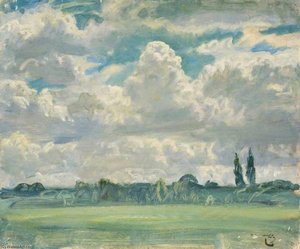
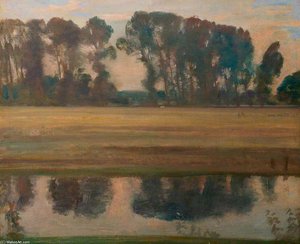
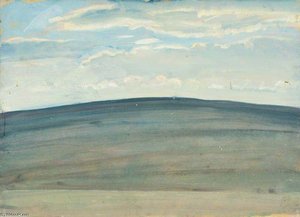
Artist Biography
A Life Immersed in Equine Grace
Sir Alfred James Munnings, a name inextricably linked to the vibrant depiction of horses and the romantic allure of rural England, occupies a pivotal position within 20th-century British art. Born in 1878 amidst the rolling landscapes of Suffolk, his life was profoundly shaped by an enduring connection with the equine world – a bond that would define his artistic vision and propel him to prominence. Munnings wasn’t simply recording what he saw; he was preserving a feeling, an atmosphere, a world poised on the brink of irreversible change. He captured a vanishing way of life, a keenly observed portrait of Britain steeped in tradition, hunting, and the rhythms of the countryside.
From Rural Beginnings to Artistic Development
Munnings’s artistic journey began not within the formal confines of an academy, but in the practical world of a Norwich printing house. This apprenticeship honed his skills in design and observation while simultaneously allowing him to pursue studies at the Norwich School of Art. It was a formative period, instilling a discipline that would serve him well as he navigated the challenges of establishing himself as an artist. Early influences included the plein air painters of the Newlyn School in Cornwall, where he embraced their commitment to capturing light and atmosphere directly from nature. This immersion in Impressionistic techniques laid the groundwork for his signature style – loose brushwork, a vibrant palette, and a palpable sense of movement. His early works often depicted rural scenes, particularly those featuring gypsies and horses roaming the Suffolk countryside, imbued with a romantic sensibility that showcased his growing mastery of color and light. These paintings weren’t merely representations; they were expressions of a deep affection for the land and its inhabitants.
War, Recognition, and a Champion of Tradition
The First World War profoundly shaped both Munnings's artistic perspective and his public profile. Though initially deemed unfit for combat, he served as an official war artist with the Canadian Cavalry Brigade, documenting the vital role horses played in the conflict. This experience brought him face-to-face with the harsh realities of war – the suffering, the loss, and the enduring bond between humans and animals. His paintings from this period are not glorifications of battle, but poignant reflections on sacrifice and resilience, capturing a somber beauty amidst devastation. The post-war years witnessed a surge in Munnings’s popularity and financial security. Prestigious commissions poured in, allowing him to acquire Castle House in Dedham, Essex – a property that would become both his home and studio for the remainder of his life. He became a sought-after portraitist, capturing the likenesses of prominent figures from the aristocracy and racing world. His ability to convey not only physical resemblance but also character and spirit cemented his reputation as one of Britain’s leading artists. However, Munnings was also a staunch defender of traditional artistic values.
A Controversial Voice and Enduring Legacy
Munnings's artistic philosophy was deeply rooted in tradition, and he became a vocal critic of the burgeoning modernist movements that were challenging conventional notions of art. His famous – and often controversial – 1949 BBC radio broadcast saw him launch a scathing attack on Cubism and Surrealism, delivered with characteristic candor (and reportedly fueled by alcohol). While his remarks sparked outrage among proponents of modern art, they also resonated with those who valued representational painting and the enduring power of artistic skill. He wasn’t simply resisting change for its own sake; he believed in the importance of preserving artistic standards and celebrating beauty in its traditional forms. This conviction culminated in his election as President of the Royal Academy in 1944, a position he held until 1949, solidifying his status within the British art establishment. He was knighted Bachelor in 1944 and appointed a Knight Commander of the Royal Victorian Order in 1947, further acknowledging his contributions to the nation’s cultural life. Sir Alfred James Munnings left behind a vast and compelling body of work that continues to captivate audiences today. His paintings offer a window into a bygone era – a world of horses, hunting, and rural landscapes that has largely disappeared. The Munnings Art Museum, established by his wife Violet at Castle House, serves as a testament to his enduring legacy, preserving his art and providing a space for future generations to appreciate his unique vision. Beyond the technical brilliance of his paintings, it is Munnings’s ability to evoke emotion that truly sets him apart. He captured not just the physical beauty of horses, but also their spirit, their power, and their connection to the human heart. His work remains a powerful reminder of the enduring appeal of representational painting and the importance of preserving artistic traditions in an ever-changing world.
Major Achievements
- Royal Academy President: Elected President of the Royal Academy in 1944, serving until 1949.
- Knighthood: Knighted Bachelor in 1944 and appointed a Knight Commander of the Royal Victorian Order in 1947.
- War Artist Commissions: Recognized for his work documenting the Canadian Cavalry during WWI.
- Sculptural Work: Created sculptures, including an equestrian statue of Edward Horner.
His legacy endures not only through his masterful paintings but also as a passionate advocate for artistic tradition in a rapidly modernizing world.
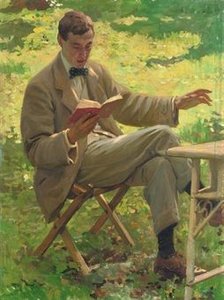
Sir Alfred James Munnings
1878 - 1959 , United Kingdom
Quick Facts
- Artistic Movement Or Style: Impressionism
- Artists Who Influenced This Artist: ['Newlyn School painters']
- Date Of Birth: 1878
- Date Of Death: 1959
- Full Name: Sir Alfred James Munnings
- Nationality: British
- Notable Artworks:
- The Fancy Dress Ball
- A Piper
- Sky Study -
- Place Of Birth: Mendham, UK

