 Send
Send Share
Share
 Details

 Download
 Similars
 Diaporama
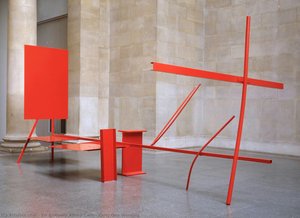
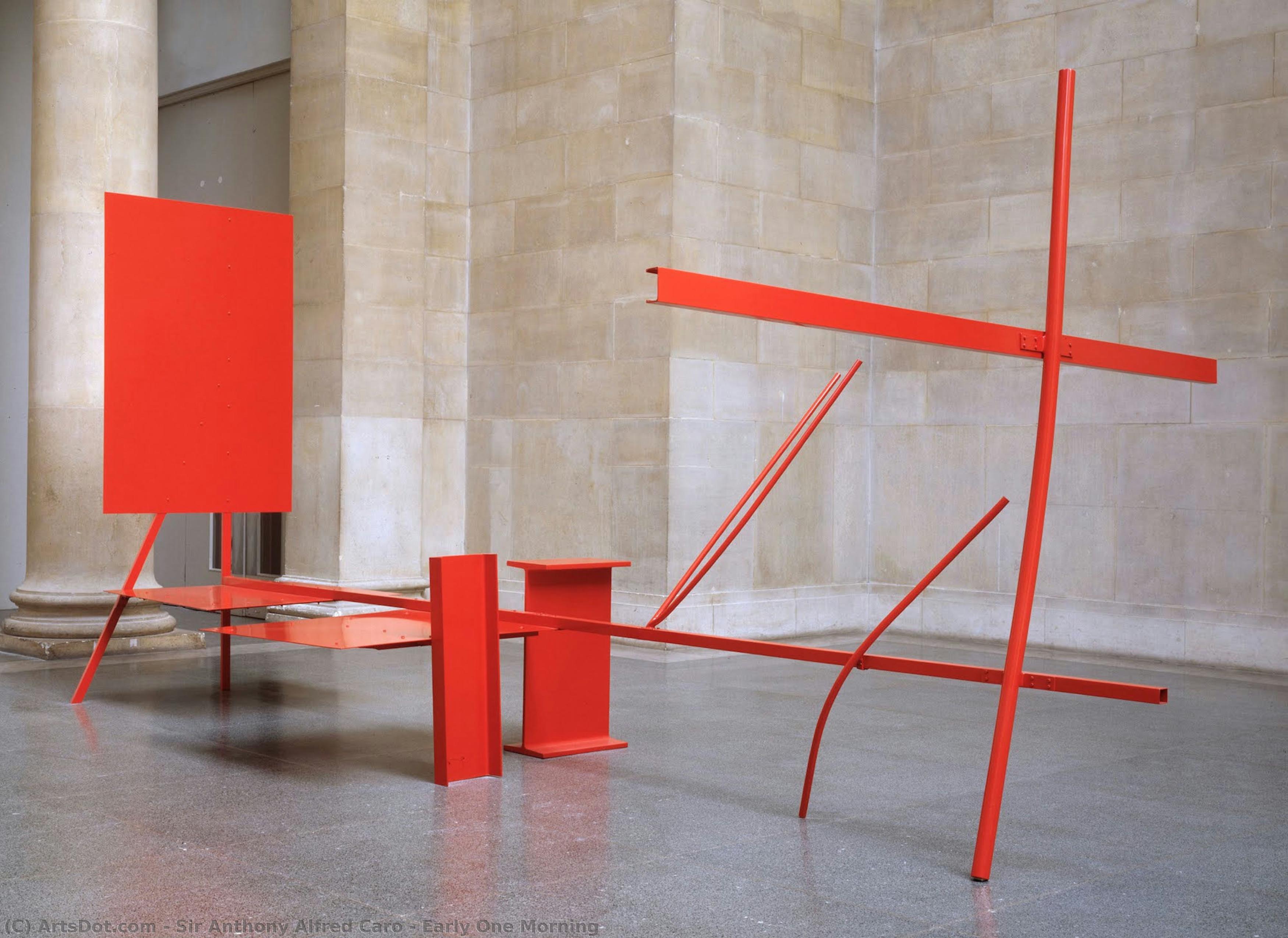
Early One Morning
 Sculpture
- Sculpture
- Contemporary Minimalism
 Modern
 289.0 x 619.0 cm
 Tate Britain
 Read More
Hand Made Oil Reproduction
Hand-painted oil on canvas in your size and frame, made to order by our artists. ( Buy Print Buy Image)




































Pick from our preset sizes that match the artwork's original proportions.

You may enter your own dimensions to fit a specific frame or space. If your selected size does not match the original image's proportions, we will either crop the artwork or extend the painting with additional hand-painted elements. A digital mockup will be sent for your approval before production begins.
Please note that the on-screen preview does not reflect the actual cropping or extension. Only the mockup will accurately show the final composition.
While custom sizes are available, we recommend selecting a dimension from the predefined list to preserve the original proportions.
After order, ArtsDot.com team will email client for instructions and provide a mockup preview
Worldwide Delivery () in 3/4 weeks instead of standard 5 weeks. (20 August). No compromise on quality.

Free Worldwide Express Shipping

High-Quality Linen Canvas

Full Shipping Insurance

Customs Tax Refund Guarantee

True Color Matching Guarantee

60-Day Return Policy (Defects Only)

100% Money-Back Guarantee

Bulk Discount Offer
 Glass option is only available in size under 110 CM

Early One Morning
Reproduction Medium
Reproduction Size
-


Total Price
$ 263
Artwork Description
Early One Morning - Sir Anthony Caro
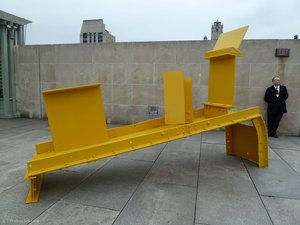
“Early One Morning,” created in 1962 by British sculptor Sir Anthony Caro, stands as a cornerstone of minimalist abstraction and embodies the transformative spirit of postwar art. Held since its inception at Tate Gallery London, this monumental sculpture continues to captivate viewers with its deceptively simple form and profound exploration of space and materiality.
- Artist: Sir Anthony Alfred Caro (1924 – 2013)
- Born: March 8, 1924, in New Malden, Surrey, England
- Style: Minimalist Sculpture
- Medium: Painted Steel and Aluminium
- Dimensions: 2.9 x 6.2 x 3.35 metres (9.5 ft × 20.3 ft × 11.0 ft)
Caro’s artistic journey began with an early association with Henry Moore, absorbing the influence of organic forms and textured surfaces—a legacy that would inform his subsequent explorations. However, it was a pivotal encounter with American Abstract Expressionism in 1959 – specifically David Smith’s pioneering use of welded steel – that irrevocably altered his trajectory. This trip galvanized Caro's conviction that sculpture could transcend traditional conventions, prioritizing the interplay between material and space.
The sculpture itself is comprised of six interlocking planes of steel sheet, meticulously welded together to form a horizontal structure. These planes are painted in a bold shade of red—a deliberate choice by Caro—which serves not merely as colour but as an integral element of the artwork’s conceptual framework. Unlike earlier sculptures rooted in figurative representation, “Early One Morning” eschews recognizable imagery, inviting contemplation on fundamental questions about perception and form.
“Early One Morning” reflects the broader artistic currents of its time—the rejection of academic formalism and the embrace of spontaneity and materiality as expressive tools. It exemplifies Caro’s belief that sculpture should engage directly with the viewer's experience, creating a dynamic relationship between object and space. The resulting effect is one of openness and luminosity, mirroring the artist’s desire to liberate sculpture from constraints imposed by traditional sculptural conventions.
Its presence at Tate Britain underscores its enduring significance as an emblem of British modernist art and continues to inspire discussion about the role of abstraction in conveying emotion and exploring philosophical ideas. The sculpture's monumental scale reinforces this impression, prompting viewers to consider the vastness of space and the subtle nuances of colour—elements that contribute to “Early One Morning’s” profound emotional impact.
- Provenance: Presented by the Contemporary Art Society 1965
- Location: Tate Gallery, London
Related Artworks

Artist Biography
Sir Anthony Caro: A Pioneer of Modern Sculpture
Early Life and Education
- Born: March 8, 1924, in New Malden, Surrey, England.
- Family Background: Caro was the youngest of three children to a Jewish family.
- Education: He attended Charterhouse School, where he was introduced to sculpture through his housemaster and Charles Wheeler. Further studies included Farnham School of Art, Christ's College Cambridge (Engineering degree), Regent Street Polytechnic, and the Royal Academy Schools (1947-1952).
Artistic Development and Influences
- Early Influences: Initially influenced by Henry Moore, with whom he worked as a studio assistant from 1951-1953. This early association instilled in him an appreciation for modernist sculpture.
- Turning Point: A 1959 Ford Foundation scholarship led to a transformative trip to the United States, where he encountered American Abstract Expressionism and met key figures like Clement Greenberg, Kenneth Noland, and David Smith. The work of David Smith was particularly influential.
- Shift in Style: Inspired by his experiences in America, Caro abandoned figurative sculpture and began creating abstract assemblages using welded steel and found industrial objects.
Key Characteristics and Style
- Assemblage & Materials: Caro is renowned for his innovative use of materials – often ‘found’ or industrial components like I-beams, steel plates, and mesh.
- Removing the Plinth: A defining characteristic of his work is removing sculptures from their traditional plinths, allowing viewers to engage with them directly on the floor and experience them in a more immersive way. This challenged conventional sculptural presentation.
- Abstract Forms & Spatial Exploration: His sculptures are characterized by dynamic abstract forms that explore spatial relationships and create a sense of openness and movement.
Notable Works and Exhibitions
- Twenty Four Hours (1960): An early example of his abstract steel sculptures, now in the Tate Britain collection.
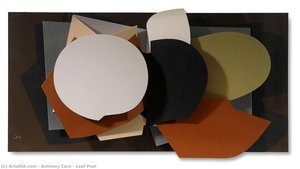
- Leaf Pool (1967): Showcased at Paintings in Hospitals, demonstrating his unique style and approach to form.
- After Olympia (1982-87): A large-scale narrative work inspired by the Temple of Zeus at Olympia, showcasing his ability to create monumental pieces with complex narratives.
- Exhibitions: Caro exhibited extensively internationally, including solo shows in Milan and New York, and participated in major group exhibitions.
Awards and Legacy
- Order of the British Empire (CBE): Awarded for his services to art.
- Triangle Arts Trust: Co-founded the Triangle Arts Trust in 1982, providing a space for artists to collaborate and experiment.
- Historical Significance: Caro is considered one of the most important British sculptors of his generation. His work revolutionized sculpture by challenging traditional conventions and exploring new materials and forms. He profoundly influenced subsequent generations of sculptors and continues to inspire artists today.
Artistic Movements
- Modernism: A core influence, breaking from traditional artistic norms.
- Abstract Expressionism: Impacted his shift towards abstraction and emphasis on form and material.
- Neoclassicism: Later work showed influences of classical Greek and Roman styles, particularly in narrative pieces like 'After Olympia'.
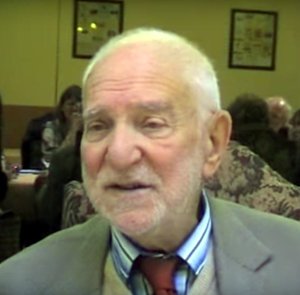
sir anthony alfred caro
1924 - 2013 , United Kingdom
Quick Facts
- Birth Date: 1924-03-08
- Birth Place: New Malden, United Kingdom
- Death Date: 2013-10-23
- Influenced By:
- Henry Moore
- Charles Wheeler
- David Smith
- Movement:
- Modernism
- Abstract Expressionism
- Neoclassicism
- Name: Sir Anthony Alfred Caro
- Nationality: British
- Notable Works:
- Leaf Pool
- After Olympia
- Twenty Four Hours
Related Articles

Bronze Sculptures That Defined Art History | ArtsDot
Journey through art history with our Top 10 bronze sculptures! Explore masterpieces by Rodin, Michelangelo & more. Discover stories behind iconic statues and find museum-quality reproductions for your home decor at ArtsDot.com.

The Enduring Form: Exploring Themes & Techniques in Sculpture Across Historical Periods
Explore the rich history of sculpture from ancient masterpieces to contemporary innovations. Discover key techniques, influential artists & investment potential for discerning art collectors.

Geometric Abstraction's 10 Defining Masterpieces | Art for Your Home - ArtsDot
Explore 10 defining masterpieces of Geometric Abstraction! Discover Kandinsky, Mondrian & Malevich’s iconic works. Find museum-quality art reproductions and curated decor ideas to elevate your home at ArtsDot.com.

Kandinsky's Masterpieces: 25 Paintings That Define Abstract Art | ArtsDot
Journey through Wassily Kandinsky's 25 most iconic abstract paintings. Explore his revolutionary use of color, form & spiritual expressionism. Find museum-quality Kandinsky reproductions and elevate your home decor with ArtsDot.com. Discover all masterpieces on ArtsDot.com!
Abstract Expressionism's 10 Defining Masterpieces |
Explore 10 defining Abstract Expressionism masterpieces by Pollock, Rothko & de Kooning. Discover the stories behind these iconic paintings and find museum-quality art reproductions to elevate your home decor on .