

 Preview
 Send
Send Share
Share
 Details

 Download
 Similars
 X-Ray
X-Ray Diaporama
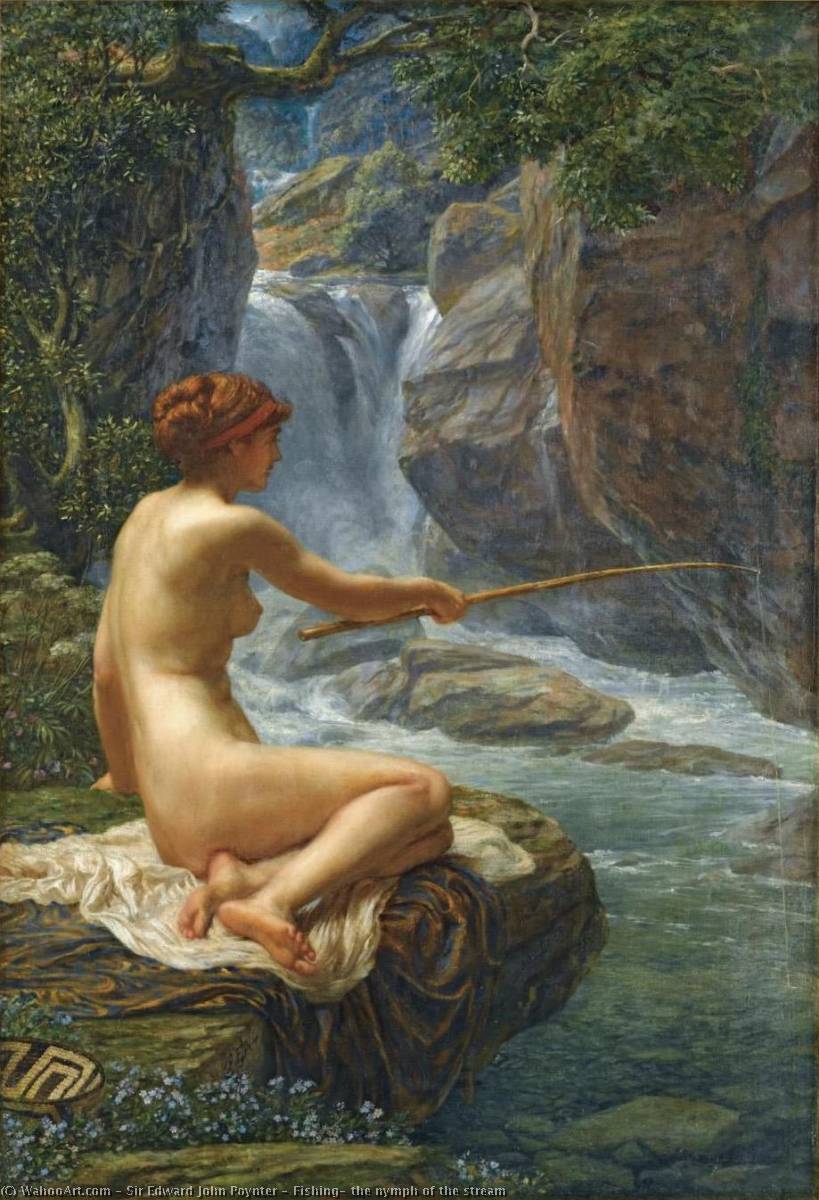
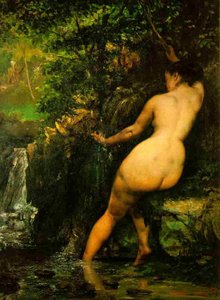
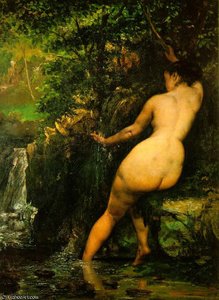
Fishing, the nymph of the stream

 Read More
Purchase a high-resolution, enhanced digital image, far superior to the online preview.
Each file is meticulously prepared by our in-house specialists using advanced tools and expert manual retouching. We ensure every image has exceptional clarity, precise color accuracy, and fine detail.
The final file is delivered via email within 72 hours, optimized for immediate use in professional, editorial, and print environments. This is the same quality trusted by top-tier design studios, publishers, and galleries.
Digital Image
Download a high-resolution file for personal display, printing, and creative projects. ( Buy Print Buy Hand Made Painting)
Included in Every Digital Image Order
Expert Digital Delivery, Guaranteed
When you choose ArtsDot.com, you're not just getting an image - you're receiving a professionally enhanced digital artwork, crafted with precision and backed by a satisfaction guarantee. Here's everything that comes with your order, automatically:

Fast Email Delivery
Your high-resolution digital image file will be emailed to you within 72 hours of ordering - ready for immediate use.

AI-Enhanced Digital File
Your artwork is professionally optimized using advanced AI tools and manual editing, ensuring maximum detail, clarity, and color accuracy.

Free Lifetime Re-Delivery
Accidentally deleted or lost your file? No worries - we'll resend it to you anytime, free of charge.

No Import Fees - Ever
Enjoy your artwork instantly with zero customs, duties, or delivery fees - digital downloads are always tax-free.

Color Accuracy Guarantee
We ensure your digital image reflects the original colors as closely as possible using professional tools and color management.

60-Day Satisfaction Guarantee
If you're not satisfied with your digital image, we'll revise it or refund 100% within 60 days - no questions asked.

100% Money-Back Guarantee
Not satisfied? Get a full refund within 60 days of receiving your digital file - no questions asked.

Bulk Order Discounts
Buy 3 images, save 10% - Buy 5, save 15% - Buy 10+, save 20%. Great for creative projects, galleries, and agencies.
A Vision of Tranquility: "Fishing, the Nymph of the Stream" by Sir Edward John Poynter
This captivating artwork, “Fishing, the Nymph of the Stream,” transports viewers to a serene and idyllic natural setting. Painted by Sir Edward John Poynter, a prominent figure in Victorian art, it depicts a graceful nymph engaged in the simple act of fishing within a lush, verdant landscape. The scene evokes a sense of timeless beauty and harmony between humanity and nature, characteristic of the academic style that Poynter so skillfully mastered.Academic Realism and Classical Echoes
Poynter’s artistic training under Charles Gleyre in Paris alongside luminaries like James McNeill Whistler firmly rooted him within the classical tradition. This influence is readily apparent in "Fishing, the Nymph of the Stream." The painting exemplifies academic art's commitment to realism and idealized beauty. Notice the meticulous attention to anatomical detail in the nymph’s figure, reminiscent of classical sculpture. The composition itself—balanced yet dynamic, with a clear foreground, middle ground, and background—demonstrates a mastery of perspective and spatial depth. The waterfall dominating the backdrop adds grandeur while maintaining a sense of atmospheric distance through subtle gradations of color and detail. Poynter’s use of oil paints allows for smooth blending and nuanced shading, creating a remarkably lifelike depiction of textures – from the nymph's skin to the rough rocks and flowing water.Symbolism and Emotional Resonance
Beyond its technical brilliance, "Fishing, the Nymph of the Stream" carries symbolic weight. The nymph, a figure drawn from classical mythology representing nature spirits, embodies both vulnerability and strength. Her solitary pursuit of fishing suggests a connection to the natural world, a quiet contemplation away from the complexities of human society. The overall palette of earthy tones, punctuated by touches of red and gold, contributes to a feeling of tranquility and serenity. The diffused lighting, suggesting a shaded forest setting, further enhances this sense of peaceful seclusion. The artwork invites viewers to pause and appreciate the simple beauty of nature and the restorative power of solitude.Historical Context and Poynter's Legacy
Created during the Victorian era—a period marked by rapid industrialization and societal change—this painting offers a nostalgic glimpse into an idealized past, where harmony with nature was valued above all else. Sir Edward John Poynter (1836-1919) himself held significant influence within the art world, serving as President of the Royal Academy. His work often explored historical and mythological themes, reflecting the Victorian fascination with classical antiquity. "Fishing, the Nymph of the Stream" stands as a testament to his skill as both a painter and a designer, showcasing his ability to blend technical mastery with evocative storytelling. Owning a reproduction of this piece allows you to bring a touch of Victorian elegance and timeless beauty into your home or office.Related Artworks


Artist Biography
Sir Edward John Poynter: A Life in Art
Early Life and Education
Sir Edward John Poynter, 1st Baronet GCVO, PRA (born March 20, 1836 – died July 26, 1919) was a leading English painter, designer, and draughtsman. He served as President of the Royal Academy, solidifying his place in Victorian art history. Poynter was born in Paris, France, to architect Ambrose Poynter, though his family soon returned to Britain. His early education took place at Brighton College and Ipswich School, but ill health led him to spend winters in Madeira and Rome. It was in Rome in 1853 that he met Frederick Leighton, a pivotal encounter that profoundly influenced his artistic direction. He furthered his studies at Leigh's Academy in London and the Royal Academy Schools before venturing to Paris, where he studied under the classicist painter Charles Gleyre, alongside fellow students James McNeill Whistler and George du Maurier..Artistic Development and Influences
Poynter’s artistic development was shaped by a blend of classical ideals, historical narratives, and an emerging interest in exoticism. His early works demonstrated a strong foundation in academic technique, honed through his rigorous training. Leighton's influence is evident in Poynter’s meticulous attention to detail and refined aesthetic sensibility. The atmosphere of Paris and the teachings of Gleyre instilled in him an appreciation for classical form and composition. He was also influenced by archaeological discoveries and a growing Victorian fascination with ancient cultures, particularly those of Egypt and the Near East.Major Works and Themes
Poynter is best known for his large-scale historical paintings. Some of his most celebrated works include:- Israel in Egypt (1867): A dramatic depiction of the biblical exodus, showcasing Poynter’s skill in narrative composition and atmospheric effects.
- St George for England (1869): A mosaic created for the Palace of Westminster, embodying a patriotic theme and demonstrating his versatility as an artist.
- The Visit of the Queen of Sheba to King Solomon (1871-75): Perhaps his most famous work, this painting exemplifies Victorian Orientalism and showcases opulent detail and dramatic storytelling.
- King Solomon (1890): Another significant work exploring biblical themes with a focus on grandeur and historical accuracy.
Official Positions and Recognition
Poynter’s career extended beyond painting; he held several prestigious positions within the art establishment:- First Slade Professor at University College London (1871-1875)
- Principal of the National Art Training School (1875-1881)
- Director of the National Gallery (1894-1904), overseeing the opening of the Tate Gallery.
Historical Significance and Legacy
Sir Edward John Poynter’s contributions to Victorian art were substantial. As an artist, he captured the spirit of his age through grand historical paintings and evocative depictions of classical themes. His leadership roles within the Royal Academy helped shape artistic education and policy during a period of significant change. He bridged the gap between academic tradition and emerging modern trends. Furthermore, his family connections – including ties to Rudyard Kipling and Stanley Baldwin – placed him at the heart of Victorian society. His work continues to be admired for its technical skill, narrative power, and insightful reflection of the Victorian era’s cultural values.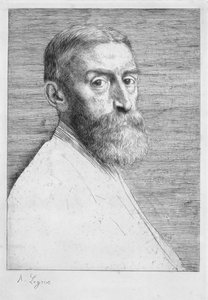
sir edward john poynter
1836 - 1919
Quick Facts
- Birth_Date: 1836
- Birth_Place: Paris
- Death_Date: 1919
- Influenced_By:
- Frederick Leighton
- Charles Gleyre
- Movement:
- Victorian art
- Academic art
- Orientalism
- Name: Sir Edward John Poynter
- Nationality: British
- Notable_Works:
- Israel in Egypt
- St George for England
- The Visit of the Queen of Sheba to King Solomon

