

 Preview
 Send
Send Share
Share
 Details

 Download
 Similars
 X-Ray
X-Ray Diaporama
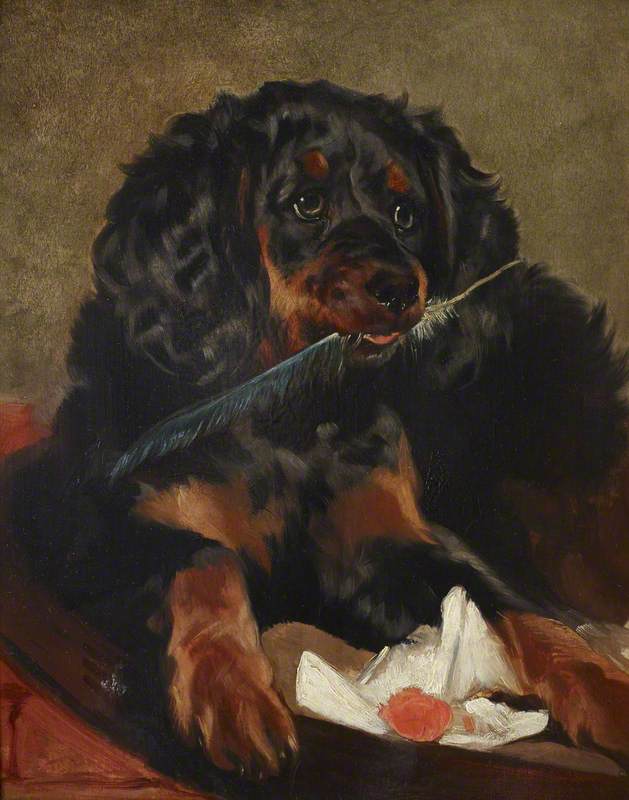
Queen Victoria's Spaniel, 'Tilco' (d.1850)
 Acrylic On Canvas
- WallArt
- Victorian Romanticism
 1838
1838 35.0 x 28.0 cm
 National Trust
 Read More
Purchase a high-resolution, enhanced digital image, far superior to the online preview.
Each file is meticulously prepared by our in-house specialists using advanced tools and expert manual retouching. We ensure every image has exceptional clarity, precise color accuracy, and fine detail.
The final file is delivered via email within 72 hours, optimized for immediate use in professional, editorial, and print environments. This is the same quality trusted by top-tier design studios, publishers, and galleries.
Digital Image
Download a high-resolution file for personal display, printing, and creative projects. ( Buy Print Buy Hand Made Painting)
Included in Every Digital Image Order
Expert Digital Delivery, Guaranteed
When you choose ArtsDot.com, you're not just getting an image - you're receiving a professionally enhanced digital artwork, crafted with precision and backed by a satisfaction guarantee. Here's everything that comes with your order, automatically:

Fast Email Delivery
Your high-resolution digital image file will be emailed to you within 72 hours of ordering - ready for immediate use.

AI-Enhanced Digital File
Your artwork is professionally optimized using advanced AI tools and manual editing, ensuring maximum detail, clarity, and color accuracy.

Free Lifetime Re-Delivery
Accidentally deleted or lost your file? No worries - we'll resend it to you anytime, free of charge.

No Import Fees - Ever
Enjoy your artwork instantly with zero customs, duties, or delivery fees - digital downloads are always tax-free.

Color Accuracy Guarantee
We ensure your digital image reflects the original colors as closely as possible using professional tools and color management.

60-Day Satisfaction Guarantee
If you're not satisfied with your digital image, we'll revise it or refund 100% within 60 days - no questions asked.

100% Money-Back Guarantee
Not satisfied? Get a full refund within 60 days of receiving your digital file - no questions asked.

Bulk Order Discounts
Buy 3 images, save 10% - Buy 5, save 15% - Buy 10+, save 20%. Great for creative projects, galleries, and agencies.
Collectible Description
A Portrait of Loyalty: Exploring Edwin Henry Landseer’s ‘Queen Victoria's Spaniel, 'Tilco’
Sir Edwin Henry Landseer (1802-1873) stands as a monumental figure in Victorian art – not merely for his prolific output but for his singular ability to distill the essence of animal character into breathtaking visual representations. His canvases transcend mere depiction; they convey emotion, intellect, and an unparalleled understanding of the natural world, qualities that cemented his legacy as one of Britain’s greatest landscape painters and sculptors. This essay delves into ‘Queen Victoria's Spaniel, 'Tilco’, examining its artistic merits, biographical significance, and enduring appeal to audiences captivated by Landseer’s masterful approach.The Artist’s Anatomical Pursuit: Influences on Landseer’s Technique
Landseer’s artistic journey began with a foundational conviction – that true artistry demanded meticulous observation and anatomical comprehension. Recognizing the limitations of traditional painting methods in capturing animal musculature, he pioneered a revolutionary technique: systematic dissection. This daring practice, considered unorthodox at the time, allowed him to meticulously study muscle structure, informing his paintings with an unprecedented level of realism. Benjamin Robert Haydon, Landseer’s mentor, championed this approach, recognizing its transformative potential for artistic expression. The resulting canvases are imbued with palpable physicality, reflecting Landseer's unwavering dedication to scientific accuracy blended seamlessly with artistic vision.A Study in Quiet Dignity: Composition and Symbolism
‘Queen Victoria's Spaniel, 'Tilco’ exemplifies Landseer’s signature style – characterized by serene landscapes populated by noble animals rendered with painstaking detail. The painting depicts a spaniel seated upon a chair, holding a piece of paper delicately in its mouth. This seemingly simple composition speaks volumes about Landseer’s artistic sensibilities. The dog's posture exudes quiet dignity and contemplation, mirroring the regal bearing of Queen Victoria herself – a deliberate connection reflecting the Victorian fascination with portraying virtue and loyalty through animal subjects. The muted palette—dominated by earthy tones—further enhances the painting’s contemplative mood, inviting viewers to immerse themselves in the tranquil beauty of the scene.Historical Context: Landseer's Vision of Victorian Idealism
Created in 1838, ‘Queen Victoria's Spaniel, 'Tilco’ emerged during a period defined by Victorian moral idealism and an ardent appreciation for the pastoral idyll. The Victorian era witnessed a fervent interest in elevating animals to symbols of nobility, piety, and domestic tranquility – values deeply rooted in Christian theology and aristocratic sensibilities. Landseer skillfully captured this zeitgeist, presenting his subject not as mere animal but as embodiment of virtue and steadfast devotion—qualities deemed paramount for upholding the social order. The painting served as a visual testament to the Victorian belief that nature could inspire moral reflection and reinforce societal virtues.Legacy and Enduring Appeal: Beyond Technique – Emotion and Observation
‘Queen Victoria's Spaniel, 'Tilco’ continues to resonate with audiences today because it transcends mere technical prowess; it embodies Landseer’s profound understanding of animal psychology and his ability to convey emotion through visual language. The artist’s meticulous observation—informed by anatomical dissection—allowed him to capture not just the physical appearance of the spaniel but also its inner state – a quiet contemplation that speaks to universal human experiences. This painting stands as an enduring reminder of Landseer's genius: a testament to his unwavering commitment to artistic integrity and his unparalleled capacity for transforming observation into evocative art. Its timeless beauty resides in its ability to transport viewers back to Victorian England, fostering appreciation for both artistic innovation and the profound connection between humans and animals.Related Artworks
Artist Biography
A Life Etched in Animal Form: The World of Sir Edwin Landseer
Sir Edwin Henry Landseer, born in London on March 7, 1802, was more than merely a painter of animals; he became a visual chronicler of the Victorian soul as reflected through them. His father, John Landseer, an accomplished engraver, instilled in young Edwin an early appreciation for art and technique, but it was the boy’s innate talent – a prodigious gift for capturing the essence of living creatures – that truly set him on his path. From a tender age, he demonstrated remarkable skill, exhibiting at the Royal Academy at just thirteen, a feat unheard of for most aspiring artists. This early success wasn't simply luck; it was the culmination of dedicated study, initially under his father and later with history painter Benjamin Robert Haydon, who uniquely encouraged anatomical dissection to fully understand animal musculature – a practice that would profoundly influence Landseer’s realism. He absorbed knowledge like a sponge, mastering not only form but also the subtle nuances of expression that breathed life into his canvases. This dedication to understanding the very structure of his subjects set him apart, allowing for an unparalleled level of authenticity in his depictions.From Highland Stags to Royal Commissions: A Flourishing Career
Landseer’s artistic career blossomed with an exceptional focus on animals – horses, dogs, and stags becoming his signature subjects. However, to categorize him solely as an “animal painter” would be a disservice. His work transcended mere representation; it imbued these creatures with human-like qualities, often laden with symbolic meaning that resonated deeply with Victorian sensibilities. A pivotal moment came with his travels to Scotland in 1824, where he encountered the majestic landscapes and wildlife that would forever shape his artistic vision. This experience birthed iconic works like Monarch of the Glen, completed in 1851, a breathtaking depiction of a stag embodying nobility, power, and the untamed beauty of the Highlands. His ability to capture not just physical likeness but also character and emotion quickly garnered him widespread acclaim. This talent led to commissions from Queen Victoria herself, solidifying his position as a leading artist of the era. He painted portraits of the royal family alongside their beloved pets, further cementing his status within aristocratic circles. Perhaps his most enduring legacy are the lions that guard Nelson’s Column in Trafalgar Square – powerful testaments to his sculptural skill and national recognition; they were unveiled in 1867 after years of dedicated work. These monumental sculptures weren't simply decorative; they represented British strength and imperial power, further elevating Landseer to a position of national importance.A Master of Technique and Emotional Resonance
Landseer’s technical mastery was undeniable. He wasn’t simply replicating what he saw, but interpreting it through a lens of profound understanding. His paintings are characterized by meticulous detail, dramatic lighting, and a masterful use of color to evoke mood and atmosphere. He skillfully blended realism with romanticism, creating scenes that were both visually stunning and emotionally engaging. Off to the Rescue, painted in 1827, exemplifies this skill; the Newfoundland dog depicted isn’t just a canine rescuer but a symbol of loyalty, courage, and selfless devotion – qualities highly valued by Victorian society. Even his more satirical works, such as Laying Down the Law (1840), featuring a group of dogs engaged in human-like legal proceedings, reveal a keen observational wit and a subtle commentary on societal norms. He wasn’t afraid to inject humor into his art, demonstrating a versatility that extended beyond grand landscapes and noble animal portraits. This ability to convey complex narratives through animal subjects was a hallmark of his style, appealing to a broad audience while simultaneously offering layers of intellectual engagement.Shadows and Legacy: A Complex Artistic Journey
Despite his immense success, Landseer's life was not without its struggles. In his later years, he battled recurring bouts of depression and ill health, exacerbated by alcohol and drug use. A nervous breakdown in 1840 marked a turning point, casting a shadow over his final decades. Despite these personal demons, he continued to produce remarkable work, but a sense of melancholy often permeated his paintings. His declining mental state eventually led to him being declared insane in 1872, a tragic end for such a brilliant mind. Yet, his legacy remains firmly etched in the annals of British art history. The “Landseer” variety of Newfoundland dog – characterized by its distinctive black and white markings – stands as a living tribute to his influence. His paintings continue to captivate audiences with their beauty, emotional depth, and masterful technique. He wasn’t just an artist who painted animals; he was an interpreter of the natural world, a storyteller who used brushstrokes to reveal the hidden emotions and symbolic meanings within it, leaving behind a body of work that continues to inspire and resonate today.Further Exploration
- Museums: Tate Britain, London; Victoria and Albert Museum, London; Kenwood House, London; The Wallace Collection, London.
- Online Resources: ArtsDot.com; Wikipedia (Sir Edwin Landseer).
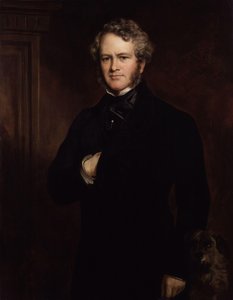
Sir Edwin Henry Landseer
1802 - 1873 , United Kingdom
Quick Facts
- Artistic Movement Or Style: Victorian realism
- Artists Or Movements Influenced By This Artist:
- Newfoundland breed
- Victorian art
- Artists Who Influenced This Artist:
- John Landseer
- B.R. Haydon
- Date Of Birth: March 7, 1802
- Date Of Death: October 1, 1873
- Full Name: Sir Edwin Henry Landseer
- Nationality: British
- Notable Artworks:
- Monarch of the Glen
- Saved
- Laying Down the Law
- Place Of Birth: London, UK

