

 Preview
 Send
Send Share
Share
 Details

 Download
 Similars
 X-Ray
X-Ray Diaporama
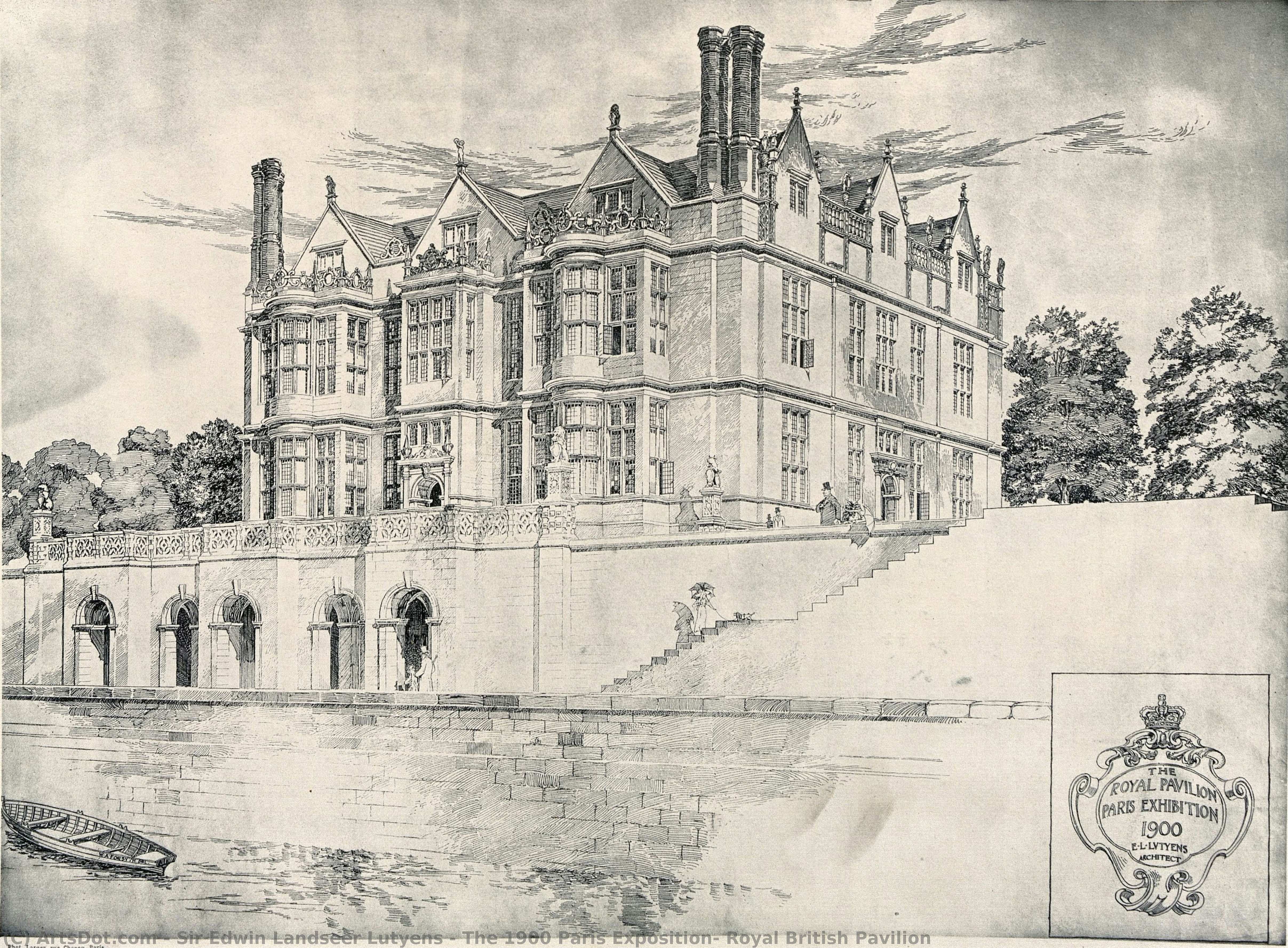
The 1900 Paris Exposition, Royal British Pavilion
 1900
1900 35.0 x 25.0 cm
 Read More
Purchase a high-resolution, enhanced digital image, far superior to the online preview.
Each file is meticulously prepared by our in-house specialists using advanced tools and expert manual retouching. We ensure every image has exceptional clarity, precise color accuracy, and fine detail.
The final file is delivered via email within 72 hours, optimized for immediate use in professional, editorial, and print environments. This is the same quality trusted by top-tier design studios, publishers, and galleries.
Digital Image
Download a high-resolution file for personal display, printing, and creative projects. ( Buy Print Buy Hand Made Painting)
Included in Every Digital Image Order
Expert Digital Delivery, Guaranteed
When you choose ArtsDot.com, you're not just getting an image - you're receiving a professionally enhanced digital artwork, crafted with precision and backed by a satisfaction guarantee. Here's everything that comes with your order, automatically:

Fast Email Delivery
Your high-resolution digital image file will be emailed to you within 72 hours of ordering - ready for immediate use.

AI-Enhanced Digital File
Your artwork is professionally optimized using advanced AI tools and manual editing, ensuring maximum detail, clarity, and color accuracy.

Free Lifetime Re-Delivery
Accidentally deleted or lost your file? No worries - we'll resend it to you anytime, free of charge.

No Import Fees - Ever
Enjoy your artwork instantly with zero customs, duties, or delivery fees - digital downloads are always tax-free.

Color Accuracy Guarantee
We ensure your digital image reflects the original colors as closely as possible using professional tools and color management.

60-Day Satisfaction Guarantee
If you're not satisfied with your digital image, we'll revise it or refund 100% within 60 days - no questions asked.

100% Money-Back Guarantee
Not satisfied? Get a full refund within 60 days of receiving your digital file - no questions asked.

Bulk Order Discounts
Buy 3 images, save 10% - Buy 5, save 15% - Buy 10+, save 20%. Great for creative projects, galleries, and agencies.
Related Artworks






Artist Biography
A Synthesis of Tradition and Vision: The Life and Legacy of Sir Edwin Lutyens
Sir Edwin Landseer Lutyens, a name synonymous with the grand architectural landscape of 20th-century Britain and India, was more than just an architect; he was a masterful orchestrator of space, light, and tradition. Born in Kensington, London, in 1869, into a large family, Lutyens’s path to becoming one of history's most celebrated architects wasn’t immediately conventional. His early education at Northwood House and later South Kensington School of Art provided the foundational skills, but it was his apprenticeship with Ernest George and Harold Peto that truly ignited his passion and introduced him to a crucial collaborator – Herbert Baker. This formative period instilled in him a deep appreciation for craftsmanship and a sensitivity to materials that would become hallmarks of his distinctive style. Lutyens wasn’t merely designing buildings; he was crafting experiences, weaving together functionality with an almost poetic sensibility.The Blossoming of a Style: Influences and Early Works
Lutyens' architectural voice didn’t emerge fully formed but rather evolved through a fascinating interplay of influences. He deeply admired the robust aesthetic of Tudor manor houses, absorbing their sense of solidity and domestic comfort. Simultaneously, he embraced the tenets of the Arts and Crafts movement, championing handcraftsmanship, simplicity, and an honest expression of materials. This commitment to authenticity resonated throughout his career, ensuring that each structure felt intrinsically connected to its surroundings. He also drew inspiration from the vernacular styles prevalent in southeast England, recognizing the inherent beauty and practicality of local building traditions. However, perhaps the most significant partnership in shaping his early style was with garden designer Gertrude Jekyll. Their collaboration wasn’t simply about juxtaposing a house with a garden; it was about creating a harmonious whole, where architecture and landscape flowed seamlessly into one another, defining what became known as the “English Garden” aesthetic. Early masterpieces like Munstead Wood and Tigbourne Court in Surrey stand as testaments to this fruitful partnership, showcasing elegant homes perfectly integrated within their natural settings. These weren’t isolated structures but rather extensions of the land itself, embodying a sense of timeless grace.From Country Houses to Imperial Visions: A Diverse Portfolio
Lutyens' career wasn’t confined by stylistic boundaries or project scale. He moved with remarkable fluidity between intimate country residences and monumental public works. Following the devastation of World War I, he turned his attention towards creating poignant war memorials, perhaps the most iconic being the Cenotaph in Whitehall, London. This starkly beautiful monument became a powerful symbol of remembrance, its simple yet dignified form resonating deeply with a nation grappling with loss. However, it was his commission to plan and construct New Delhi between 1911 and 1931 that truly cemented his place in architectural history. Tasked by the British government with creating a new capital for India, Lutyens embarked on an ambitious undertaking that would fundamentally reshape the city’s urban landscape. The scale of this project was immense, encompassing not only Rashtrapati Bhavan – the magnificent Viceroy's House, now the official residence of the President of India – but also India Gate, a grand war memorial honoring Indian soldiers, and the Parliament House and Secretariat Buildings, forming the heart of New Delhi’s administrative center. These structures weren’t simply imposed upon the landscape; they were carefully considered responses to the climate, culture, and topography of India, blending imperial authority with local sensibilities. Lindisfarne Castle, commissioned by Edward Hudson, further demonstrated his ability to adapt architectural styles to unique settings, transforming a rugged coastal site into a romantic and evocative fortress.A Lasting Impact: Style, Significance, and Legacy
Lutyens’s style evolved over time, transitioning from the Arts and Crafts roots of his early work towards a more refined Classicism while retaining his unwavering commitment to craftsmanship and detail. He possessed an extraordinary ability to synthesize diverse influences – Tudor, vernacular, classical – creating buildings that were both aesthetically pleasing and functionally effective. His designs weren't merely about replicating historical styles; they were about reinterpreting them through a modern lens, imbuing them with a sense of originality and purpose. Widely regarded as Britain’s greatest architect since Christopher Wren, Lutyens left an indelible mark on the 20th century. His work in New Delhi continues to shape the city's identity and influence architectural design today. Elected Master of the Art Workers' Guild in 1933, he was recognized not only for his architectural prowess but also for his dedication to artistic excellence. Though he passed away in 1944, Sir Edwin Landseer Lutyens’s legacy endures—a testament to a visionary architect who understood that buildings are more than just structures; they are expressions of culture, symbols of remembrance, and enduring monuments to the human spirit. His ability to create spaces that were both beautiful and functional ensures his place among the most important architects in history.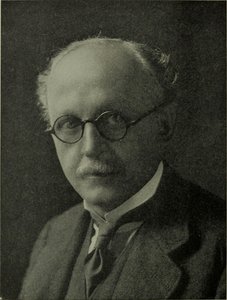
Sir Edwin Landseer Lutyens
1869 - 1944 , United Kingdom
Quick Facts
- Artistic Movement Or Style: Arts & Crafts, Neo-Classicism
- Artists Or Movements Influenced By This Artist: ['Indian architecture']
- Artists Who Influenced This Artist:
- Ernest George
- Harold Peto
- Herbert Baker
- Gertrude Jekyll
- Date Of Birth: March 29, 1869
- Date Of Death: January 1, 1944
- Full Name: Sir Edwin Landseer Lutyens
- Nationality: British
- Notable Artworks:
- Munstead Wood
- Tigbourne Court
- Cenotaph
- Rashtrapati Bhavan
- India Gate
- Lindisfarne Castle
- Place Of Birth: London, UK

