 Preview
 Send
Send Share
Share
 Details

 Download
 Similars
 X-Ray
X-Ray Diaporama
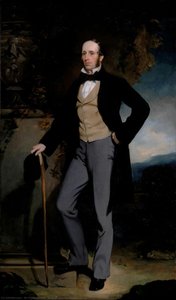
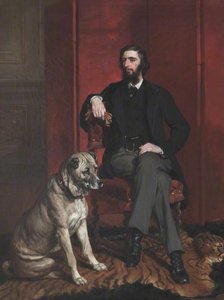
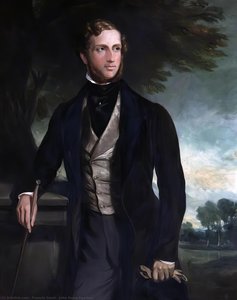
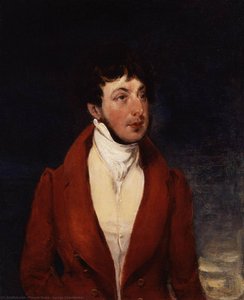
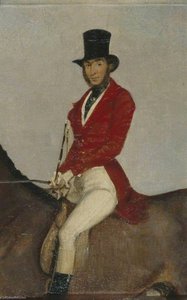
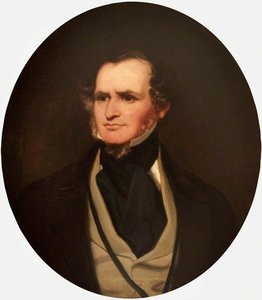
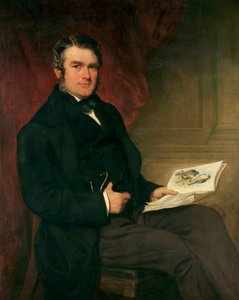
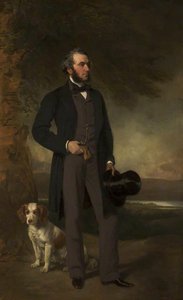
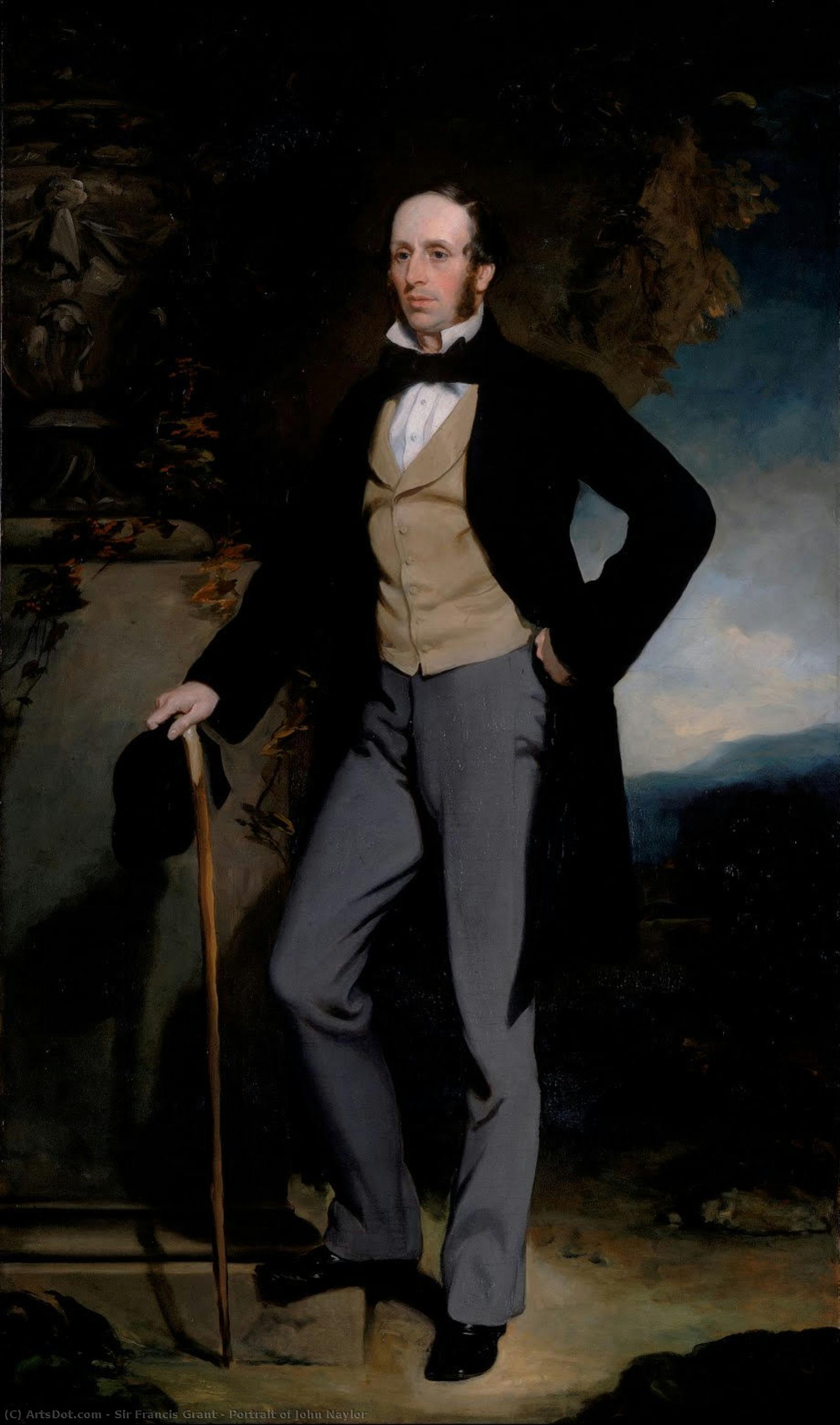
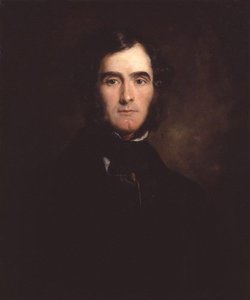
Portrait of John Naylor
 Oil On Canvas
- WallArt
- Victorian Portraiture
 1857
1857 1327.0 x 2256.0 cm
 Walker Art Gallery
 Read More
Hand Made Oil Reproduction
Hand-painted oil on canvas in your size and frame, made to order by our artists. ( Buy Print Buy Image)




P118B $10

P118H $10

P118W $10

P438Z $10

P508JH $12

P508YH $12

P805H $10

P805Z $10

P919BZ $10

P919G $10

P919XJ $10

P959ZH $10

P968JZ $12

W106C $8

W218G $10

W218JH $8

W218Y $10

W307PJ $10

W316G $10

W316PJ $8

W316Y $10

W398PJ $8

W4111J $10

W500HY $15

W500JH $15

W692G $12

W849H $8

W940BG $15

W953PJ $8




Pick from our preset sizes that match the artwork's original proportions.

You may enter your own dimensions to fit a specific frame or space. If your selected size does not match the original image's proportions, we will either crop the artwork or extend the painting with additional hand-painted elements. A digital mockup will be sent for your approval before production begins.
Please note that the on-screen preview does not reflect the actual cropping or extension. Only the mockup will accurately show the final composition.
While custom sizes are available, we recommend selecting a dimension from the predefined list to preserve the original proportions.
After order, ArtsDot.com team will email client for instructions and provide a mockup preview
Worldwide Delivery () in 3/4 weeks instead of standard 5 weeks. (16 August). No compromise on quality.

Free Worldwide Express Shipping

High-Quality Linen Canvas

Full Shipping Insurance

Customs Tax Refund Guarantee

True Color Matching Guarantee

60-Day Return Policy (Defects Only)

100% Money-Back Guarantee

Bulk Discount Offer
 Glass option is only available in size under 110 CM

Portrait of John Naylor
Reproduction Medium
Reproduction Size
-


Total Price
$ 263
Artwork Description
A Glimpse of Victorian Society: Sir Francis Grant’s Portrait of John Naylor
Sir Francis Grant's "Portrait of John Naylor," painted in 1857, offers more than just a likeness; it’s a meticulously crafted window into the social and artistic landscape of mid-Victorian England. The painting captures John Naylor, a landowner deeply embedded within the prosperous yet subtly stratified world of Liverpool and its surrounding estates. Grant, a Royal Academician and a master of his craft, skillfully utilizes portraiture not merely as documentation but as a means of conveying status, character, and the prevailing values of the era.
The composition itself is carefully orchestrated. Naylor stands with an air of quiet confidence, positioned slightly off-center within a modestly furnished interior – a drawing room or study, judging by the glimpse of bookshelves in the background. His attire, a dark suit accented by a bow tie and top hat, speaks to his wealth and social standing, while his posture exudes a sense of dignified reserve. The inclusion of the tree outside the window subtly connects him to the land, grounding him within the broader context of his lineage and responsibilities.
The Brushstroke and Palette: A Study in Victorian Detail
Grant’s technique is characterized by its remarkable realism and attention to detail. He employs a smooth, polished style, typical of the Royal Academy's favored approach during this period – a deliberate contrast to the looser brushwork of earlier Romantic painters. The artist masterfully renders textures: the velvet of Naylor’s jacket, the sheen of his shoes, the intricate patterns on the wallpaper. The color palette is restrained yet sophisticated, dominated by deep browns, greens, and golds, reflecting the wealth and stability associated with the Victorian elite.
Note the subtle use of light – it illuminates Naylor's face, highlighting his features and drawing attention to his gaze. The lighting also creates a sense of depth within the room, suggesting both comfort and formality. The artist’s ability to capture not just physical appearance but also an underlying mood is particularly noteworthy; there’s a quiet contemplation in Naylor’s expression that invites the viewer to consider his thoughts and experiences.
A Reflection of Victorian Patronage and Artistic Circles
“Portrait of John Naylor” exemplifies the significant role of patronage within the British art world during the 19th century. Naylor, as a landowner with considerable wealth, likely commissioned the portrait to enhance his social standing and showcase his collection of fine art – a common practice among the Victorian elite. Grant’s success was largely dependent on these commissions, allowing him to maintain a prestigious position within the Royal Academy and continue producing works that reflected the tastes and aspirations of his patrons.
The painting's presence in the Walker Art Gallery in Liverpool is no accident. Such portraits were frequently gifted or bequeathed to public collections by wealthy individuals like Naylor, contributing significantly to the gallery’s impressive holdings of Victorian art. It serves as a tangible link between the private world of a prominent landowner and the broader cultural heritage of the city.
Symbolism and Emotional Resonance
Beyond its technical merits, “Portrait of John Naylor” carries symbolic weight. The carefully chosen setting – the interior with books and a glimpse of nature – speaks to Naylor’s intellectual pursuits and connection to his land. The portrait itself represents an assertion of status and legacy, a desire to be remembered within the annals of Victorian society.
Ultimately, Grant's work transcends mere representation; it offers a compelling insight into the values, aspirations, and social dynamics of a pivotal era in British history. The painting’s quiet dignity and meticulous detail continue to resonate with viewers today, inviting us to contemplate the complexities of Victorian life and the enduring power of portraiture as a means of capturing both likeness and character.
Related Artworks
![Legend Of St Francis - [11] - St Francis Before The Sultan (trial By Fire) — Giotto Di Bondone, Proto-renaissance](/media/artworks/images/thumbnails/34/e5/34e5f366254d43269d81112c719a6f9f.jpg)
![Legend Of St Francis - [24] - Canonization Of St Francis — Giotto Di Bondone, Gothic](/media/artworks/images/thumbnails/46/25/46258ba5eea24e14b12f138b9d3f90a3.jpg)
![Life Of Saint Francis - [04] - Death And Ascension Of St Francis — Giotto Di Bondone, Italian Renaissance](/media/artworks/images/thumbnails/e8/b6/e8b63a7fcb4a42ab89d26ae343d6f757.jpg)
Artist Biography
A Life Dedicated to Portraiture and the Academy
Sir Francis Grant, a name synonymous with refined portraiture and dedicated service to the British art establishment, emerged as one of the most sought-after artists of his era. Born in 1803 into a landed family in Perthshire, Scotland, young Francis initially seemed destined for a career in law. However, the pull of artistic expression proved too strong to resist. Though largely self-taught, he briefly studied under Alexander Nasmyth in Edinburgh, laying an early foundation before forging his own distinctive path. This path wasn’t immediately clear; Grant's initial successes came with sporting scenes, capturing the energy and vibrancy of rural life. A pivotal moment arrived through his marriage, granting him access to the exclusive world of Melton Mowbray’s hunting set. There, he honed his skills under John Ferneley, a master of equestrian art, and began to specialize in depictions of horses and hounds – subjects that would initially define his reputation.From Sporting Scenes to Aristocratic Likenesses
Grant's artistic evolution wasn’t merely a shift in subject matter; it was a refinement of style. His early sporting scenes, like the celebrated *Melton Breakfast* (1834), demonstrated an eye for detail and composition that quickly garnered attention. However, it was his burgeoning talent for portraiture that truly propelled him to prominence. He possessed a remarkable ability to capture not just physical likeness but also the character and social standing of his sitters. This skill proved particularly valuable in an era obsessed with status and image. Commissions flowed in from the British aristocracy and political elite, including the ultimate accolade: portraits of Queen Victoria herself. His portrait of Lady Glenlyon (1842) served as a watershed moment, solidifying his position among the leading portraitists of the day. Grant’s style blended Neoclassical elegance with a touch of Romantic sensibility, characterized by dramatic lighting and rich detail – tempering the flourishes of artists like Thomas Lawrence with a distinctly Victorian sobriety. He excelled at equestrian portraits, skillfully portraying both the grandeur of his subjects and their noble steeds, as evidenced in his works for Christ's Hospital depicting Queen Victoria and Prince Albert.Presidency and Legacy: Shaping the Royal Academy
The pinnacle of Grant’s career arrived in 1866 with his election as President of the Royal Academy, following the death of Charles Eastlake. This prestigious position recognized not only his artistic achievements but also his respected standing within the art world. Shortly after assuming the presidency, he was knighted, a testament to his significant contributions. As president, Grant instituted a groundbreaking practice: the holding of major loan exhibitions. These ambitious displays expanded the Academy’s reach and influence, bringing together masterpieces from across Europe and attracting wider public engagement. He wasn't merely a custodian of tradition; he actively sought to broaden the scope and accessibility of art. His leadership helped solidify the Royal Academy as a central force in British artistic life. Grant’s influence extended beyond his own work, impacting artists such as Martin Archer Shee and Solomon Alexander Hart.A Window into Victorian Society
Sir Francis Grant's legacy extends far beyond the canvases he filled with portraits of prominent figures. His extensive body of work serves as a valuable historical record, offering insights into British society during the 19th century. Through his art, we glimpse the lives and status of aristocracy, politicians, and royalty – individuals who shaped the era. He wasn’t simply painting faces; he was documenting a social order. His presidency of the Royal Academy marked a period of significant development for the institution, cementing its role as a vital cultural hub. Grant's paintings are held in collections worldwide, including the Walker Art Gallery in Liverpool, ensuring that his artistic vision continues to resonate with audiences today. He remains a pivotal figure in Victorian art history – a skilled portraitist, a respected leader, and a chronicler of his time. His work offers not just aesthetic pleasure but also a fascinating glimpse into a bygone era.Notable Works
- Melton Breakfast (1834): An early success that established his reputation for sporting scenes.
- The Meeting of His Majesty's Staghounds on Ascot Heath: A detailed and dynamic depiction of a hunting event.
- Portrait of Lady Glenlyon (1842): A pivotal work that cemented his status as a leading portraitist.
- Equestrian Portraits of Queen Victoria and Prince Albert: Demonstrations of his skill in capturing both likenesses and grandeur.
- Portraits of the Marchioness of Waterford, the Marchioness of Bristol, and Mrs Markham (Daisy Grant): Acclaimed portraits showcasing his ability to capture character and social standing.
Sir Francis Grant
1803 - 1878 , United Kingdom
Quick Facts
- Artistic Movement Or Style: Neoclassical, Romanticism
- Artists Or Movements Influenced By This Artist:
- Martin Archer Shee
- Solomon Hart
- Artists Who Influenced This Artist:
- Alexander Nasmyth
- John Ferneley
- Date Of Birth: January 18, 1803
- Date Of Death: October 5, 1878
- Full Name: Sir Francis Grant
- Nationality: Scottish
- Notable Artworks:
- Melton Breakfast
- Lady Glenlyon
- Queen Victoria Riding
- Place Of Birth: United Kingdom
Related Articles
Sir Joshua Reynolds' Masterpieces: 25 Portraits of Power & Refinement | ArtsDot
Explore 25 captivating portraits by Sir Joshua Reynolds, a master of British art. Discover stories behind his iconic paintings, elegant style & historical influence. Find museum-quality reproductions and elevate your home decor on ArtsDot.com.
Francis Bacon's Masterpieces: Exploring 25 Iconic Paintings | ArtsDot
Delve into the haunting world of Francis Bacon with ArtsDot. Explore 25 iconic paintings, from his visceral portraits to powerful triptychs. Discover the stories behind these masterpieces & find museum-quality art reproductions for your home. Explore the full collection online!
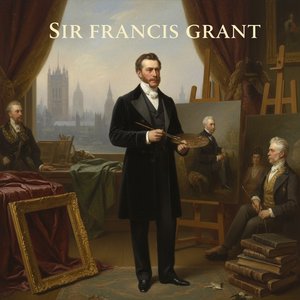
Sir Francis Grant: Portraiture, Patronage & Victorian Society
Explore the life & work of Sir Francis Grant, a leading Victorian portraitist. Discover his aristocratic clientele, role at the Royal Academy, and enduring artistic legacy. Learn about art patronage in 19th-century Britain.

John Singer Sargent's 25 Masterpieces: Portraits & Beyond | ArtsDot
Explore 25 iconic John Singer Sargent paintings – from dazzling portraits to Impressionist landscapes. Discover the stories behind Madame X, El Jaleo & more! Find museum-quality art reproductions and elevate your home decor with ArtsDot.com.

John Constable's Masterpieces: Explore 25 Iconic Landscapes for Your Home
Journey through John Constable's 25 most celebrated landscapes. Explore Romanticism, Dedham Vale & his masterful use of light in iconic paintings like 'Hay Wain'. Find museum-quality art reproductions and elevate your home decor on ArtsDot.com.