

 Preview
 Send
Send Share
Share
 Details

 Download
 Similars
 X-Ray
X-Ray Diaporama
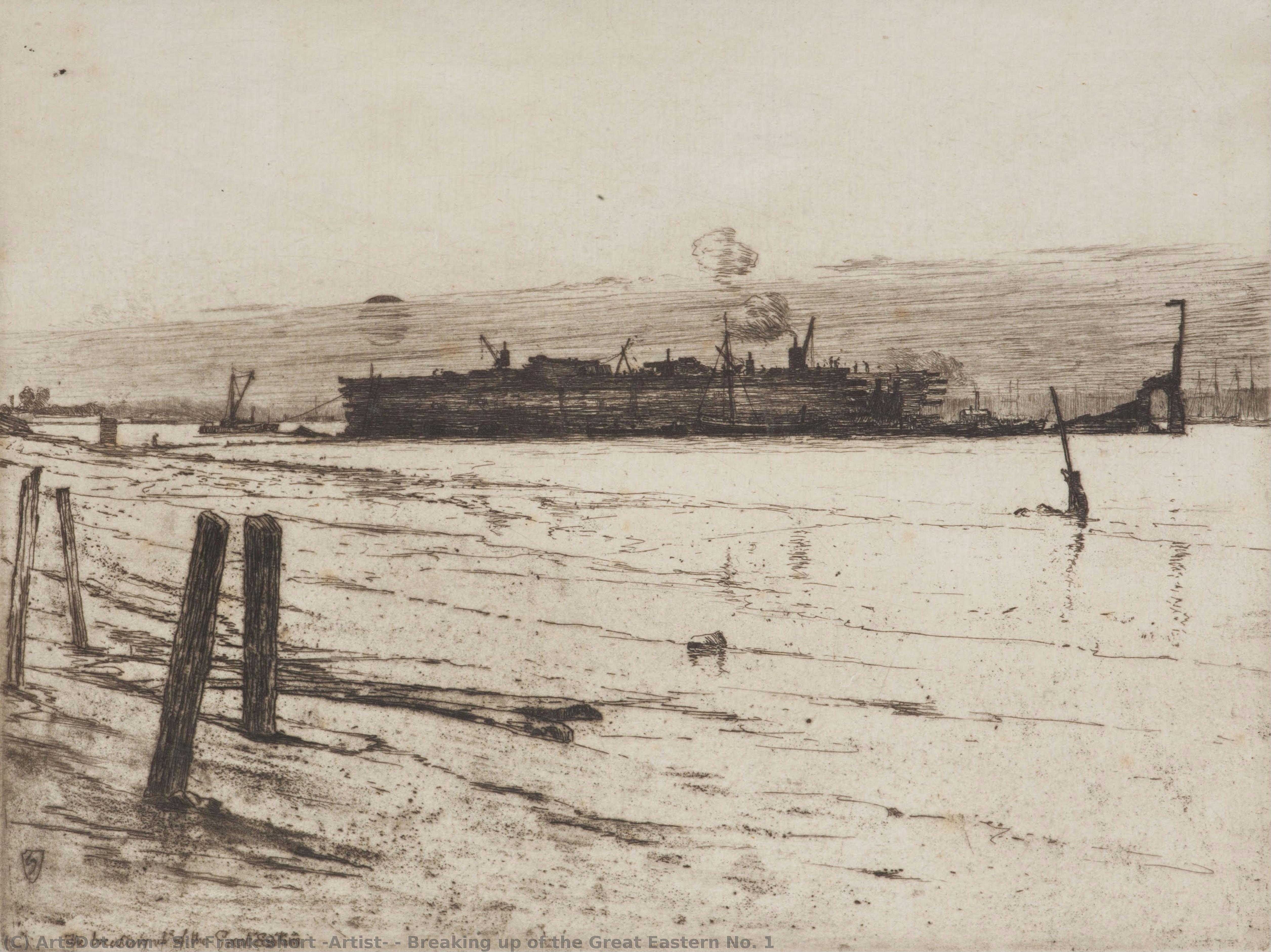
Breaking up of the Great Eastern No. 1


 Read More
Purchase a high-resolution, enhanced digital image, far superior to the online preview.
Each file is meticulously prepared by our in-house specialists using advanced tools and expert manual retouching. We ensure every image has exceptional clarity, precise color accuracy, and fine detail.
The final file is delivered via email within 72 hours, optimized for immediate use in professional, editorial, and print environments. This is the same quality trusted by top-tier design studios, publishers, and galleries.
Digital Image
Download a high-resolution file for personal display, printing, and creative projects. ( Buy Print Buy Hand Made Painting)
Included in Every Digital Image Order
Expert Digital Delivery, Guaranteed
When you choose ArtsDot.com, you're not just getting an image - you're receiving a professionally enhanced digital artwork, crafted with precision and backed by a satisfaction guarantee. Here's everything that comes with your order, automatically:

Fast Email Delivery
Your high-resolution digital image file will be emailed to you within 72 hours of ordering - ready for immediate use.

AI-Enhanced Digital File
Your artwork is professionally optimized using advanced AI tools and manual editing, ensuring maximum detail, clarity, and color accuracy.

Free Lifetime Re-Delivery
Accidentally deleted or lost your file? No worries - we'll resend it to you anytime, free of charge.

No Import Fees - Ever
Enjoy your artwork instantly with zero customs, duties, or delivery fees - digital downloads are always tax-free.

Color Accuracy Guarantee
We ensure your digital image reflects the original colors as closely as possible using professional tools and color management.

60-Day Satisfaction Guarantee
If you're not satisfied with your digital image, we'll revise it or refund 100% within 60 days - no questions asked.

100% Money-Back Guarantee
Not satisfied? Get a full refund within 60 days of receiving your digital file - no questions asked.

Bulk Order Discounts
Buy 3 images, save 10% - Buy 5, save 15% - Buy 10+, save 20%. Great for creative projects, galleries, and agencies.
Collectible Description
Breaking up of the Great Eastern No. 1: A Testament to Victorian Engineering and Artistic Vision
Sir Frank Short’s “Breaking up of the Great Eastern No. 1,” etched in 1890, is more than a depiction of maritime destruction; it's a meticulously rendered study of industrial decline viewed through the lens of a burgeoning artistic sensibility. Born in Edgbaston, England, in 1857, Short’s journey from engineering to art was a deliberate and ultimately triumphant one, marked by rigorous training and significant recognition within the printmaking world. His technical mastery – honed through studies at prestigious institutions like South Kensington and Westminster Schools of Art – is immediately apparent in this powerful image, showcasing his command of mezzotint, aquatint, and etching techniques.
- Subject Matter: The composition centers on the dramatic spectacle of the steamship Great Eastern No. 1 being dismantled at sea. This wasn’t merely a random scene; Short was deeply interested in documenting industrial processes, reflecting a fascination with the rapid changes transforming Britain during the late Victorian era.
- Technical Brilliance: The etching reveals Short's exceptional skill in creating tonal variations and textures. Notice the delicate rendering of the ship’s decaying hull, contrasted against the turbulent sea – a testament to his mastery of printmaking techniques.
- Contextual Significance: Created during a period of immense technological advancement and social upheaval, the artwork speaks to the anxieties surrounding industrial progress and its impact on traditional ways of life.
A Symphony of Detail: Technique and Style
Short’s approach to this subject is characterized by a precise realism tempered with an artistic eye for composition and dramatic effect. The etching's monochrome palette amplifies the sense of scale and emphasizes the raw power of nature confronting human endeavor. The artist’s meticulous attention to detail – from the splintered wood of the ship to the swirling patterns of the waves – creates a remarkably immersive experience, drawing the viewer into the heart of the scene. The inclusion of smaller boats surrounding the wreck adds a layer of complexity and suggests the involvement of salvage operations or perhaps even the desperate attempts of those affected by the vessel’s demise.
- Mezzotint & Aquatint: Short expertly utilized these techniques to build up tonal ranges, creating both smooth gradations and sharp contrasts within the image.
- Compositional Balance: The arrangement of elements – the dominant ship, the surrounding boats, and the soaring birds – contributes to a dynamic composition that draws the eye across the entire sheet.
- Emotional Impact: The overall effect is one of both grandeur and melancholy, reflecting the inevitable passage of time and the vulnerability of human creations in the face of nature’s forces.
Symbolism and Interpretation
Beyond its technical merits, “Breaking up of the Great Eastern No. 1” carries a potent symbolic weight. The ship itself represents not just a vessel but also the ambitions and technological prowess of the Victorian era – ultimately rendered obsolete by time and circumstance. The presence of birds circling above could be interpreted as omens, suggesting both destruction and renewal, or perhaps simply an acknowledgment of nature’s dominion. The inclusion of multiple ships in the background reinforces the theme of disruption and change, highlighting the far-reaching consequences of industrial activity.
- Industrial Decay: The artwork serves as a poignant reminder of the transient nature of human achievement.
- Nature’s Power: The depiction of the ship battling against the sea underscores the overwhelming power of natural forces.
- Social Commentary: It can be viewed as a subtle commentary on the social and economic consequences of industrialization.
A Collector's Piece – A Window into Victorian England
"Breaking up of the Great Eastern No. 1" offers a rare glimpse into the artistic sensibilities of Sir Frank Short, a pivotal figure in the development of British printmaking. This meticulously crafted etching is not merely an image; it’s a historical document, a technical masterpiece, and a powerful statement about the human condition. A hand-painted reproduction allows you to bring this evocative scene into your home or office, adding a touch of Victorian drama and intellectual depth to any space. Its enduring appeal lies in its ability to resonate with themes of progress, destruction, and the relationship between humanity and nature – timeless subjects that continue to captivate audiences today.
Related Artworks
Artist Biography
Stanhope Alexander Forbes: A Cornish Visionary of the Late Victorian Era
Born in Dublin, Ireland, on November 18, 1857, Stanhope Alexander Forbes’s artistic journey was a testament to perseverance and a deep connection with the natural world. His early life, marked by movement between England and Ireland, laid the foundation for his distinctive style – a blend of Impressionism, Realism, and a distinctly Cornish sensibility. Forbes wasn't simply an artist; he was a keen observer of human experience and a passionate advocate for the working class, themes that consistently informed his work.
Forbes’s formal artistic training began at Dulwich College, where his talent for drawing was nurtured by his art master, John Charles Lewis Sparkes. This early mentorship proved crucial, instilling in him an appreciation for observation and a commitment to capturing the essence of his subjects. Following his studies, he spent two formative years in Paris, immersing himself in the vibrant artistic atmosphere of the French capital and studying under Leon Bonnat at his renowned atelier. This period exposed him to the tenets of Impressionism, influencing his use of light and color, though he never fully abandoned a more grounded realism.
However, Forbes’s true heart lay in Cornwall, specifically the fishing village of Newlyn. In 1884, he relocated there, establishing himself as a central figure within a burgeoning artistic community alongside artists like George Trevelyan and Frank O'Neil. This move proved transformative, providing him with unparalleled access to the lives and landscapes that would dominate his oeuvre. The rugged coastline, the weathered faces of the fishermen, and the simple routines of rural life became recurring motifs in his paintings – subjects he approached with both empathy and a keen eye for detail.
- Key Subjects: Forbes’s work is characterized by its focus on Cornish fishing communities, portraits of local figures, and evocative depictions of the coastal landscape.
- Technique: He employed a layered approach, building up his paintings with numerous thin glazes of color to achieve a luminous effect. His brushwork was often loose and expressive, capturing the movement of light and water.
- Influence: Forbes’s work reflects the influence of Impressionism, particularly in his use of color and light, but he also drew inspiration from Realist painters like Millet and Courbet, evident in his compassionate portrayal of working-class subjects.
The Cornish Landscape and its People
Forbes's paintings are inextricably linked to the landscape of Cornwall. He didn’t simply depict the coastline; he captured its spirit – its wildness, its beauty, and its inherent drama. The ever-changing light on the sea, the dramatic cliffs, and the shifting weather patterns were constant sources of inspiration. His canvases often feature scenes of fishermen returning from the sea, their boats bobbing against the rocks, or families gathered around humble cottages, bathed in the golden light of sunset.
Crucially, Forbes’s portrayal of these subjects wasn't romanticized. He depicted the lives of the Cornish people with honesty and respect, capturing their dignity and resilience. He frequently painted portraits of local fishermen, often depicting them at work or engaged in everyday activities, revealing a deep understanding of their struggles and triumphs. His ability to convey both the physical hardship and the quiet beauty of their existence is what makes his work so profoundly moving.
Notable Works:- The Fishermen’s Landing (1892)
- Cornish Children (1893)
- The Fisherman's Wife (1896)
A Champion of the Working Class
Beyond his artistic skill, Forbes was a committed social observer. His work frequently addressed the plight of the working class, particularly in Cornwall, where poverty and hardship were widespread. He wasn’t interested in simply depicting these subjects; he sought to give them voice through his art, raising awareness about their struggles and celebrating their resilience.
Forbes's empathy for the marginalized is evident in his numerous portraits of fishermen and other working-class individuals. He captured their weathered faces, their calloused hands, and their quiet dignity with remarkable sensitivity. His paintings weren’t intended to be sentimental; rather, they were a testament to the strength and perseverance of ordinary people facing extraordinary challenges.
Forbes's commitment to social realism was further reflected in his involvement with the New English Art Club, founded in 1886, which aimed to promote art that engaged with contemporary social issues.Legacy and Historical Significance
Stanhope Alexander Forbes’s artistic legacy is firmly rooted in Cornwall. He played a pivotal role in establishing Newlyn as an important center for British painting, attracting both local artists and visitors from across the country. His work helped to elevate the status of Cornish art on the national stage, challenging traditional notions of beauty and subject matter.
Forbes’s paintings continue to resonate with viewers today because they offer a rare glimpse into a bygone era – a time when artists were deeply engaged with the lives and landscapes of ordinary people. His honest portrayal of the Cornish working class, combined with his masterful use of color and light, makes him one of the most significant figures in late Victorian British art.
He died on March 2, 1947, leaving behind a rich body of work that serves as a poignant reminder of the power of art to illuminate social realities and capture the beauty of the human spirit. His paintings remain treasured examples of Cornish art and a testament to his enduring vision.
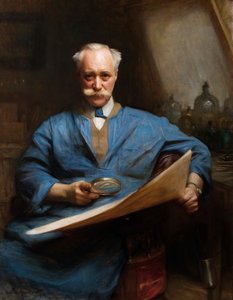
sir frank short (artist)
1857 - 1945 , United Kingdom
Quick Facts
- Artistic Movement Or Style: Romanticism
- Artists Or Movements Influenced By This Artist: ['None listed']
- Artists Who Influenced This Artist: ['Alexander Sergeyevich Stroganov']
- Date Of Birth: March 30, 1776
- Date Of Death: May 16, 1857
- Full Name: Vasily Andreevich Tropinin
- Nationality: Russian
- Notable Artworks:
- The Lace Maker
- The Gold-Embroideress
- Place Of Birth: Korpovo, Novgorod Governorate

