 Preview
 Send
Send Share
Share
 Details

 Download
 Similars
 X-Ray
X-Ray Diaporama
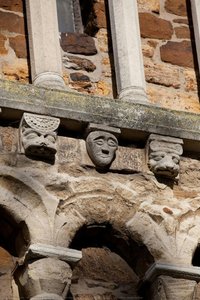
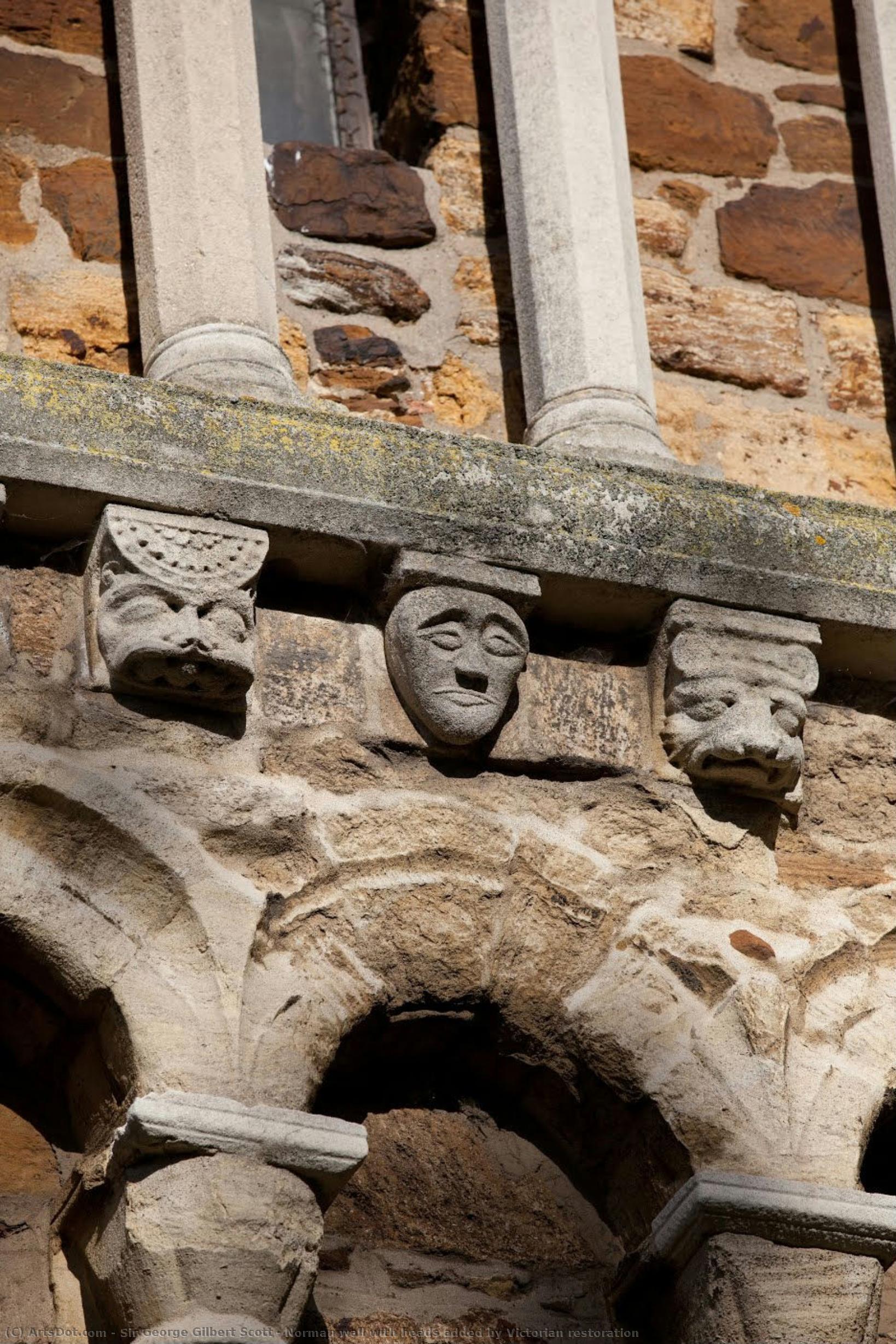
Norman wall with heads added by Victorian restoration


 Read More
Hand Made Oil Reproduction
Hand-painted oil on canvas in your size and frame, made to order by our artists. ( Buy Print Buy Image)




































Pick from our preset sizes that match the artwork's original proportions.

You may enter your own dimensions to fit a specific frame or space. If your selected size does not match the original image's proportions, we will either crop the artwork or extend the painting with additional hand-painted elements. A digital mockup will be sent for your approval before production begins.
Please note that the on-screen preview does not reflect the actual cropping or extension. Only the mockup will accurately show the final composition.
While custom sizes are available, we recommend selecting a dimension from the predefined list to preserve the original proportions.
After order, ArtsDot.com team will email client for instructions and provide a mockup preview
Worldwide Delivery () in 3/4 weeks instead of standard 5 weeks. (22 August). No compromise on quality.

Free Worldwide Express Shipping

High-Quality Linen Canvas

Full Shipping Insurance

Customs Tax Refund Guarantee

True Color Matching Guarantee

60-Day Return Policy (Defects Only)

100% Money-Back Guarantee

Bulk Discount Offer
 Glass option is only available in size under 110 CM

Norman wall with heads added by Victorian restoration
Reproduction Medium
Reproduction Size
-


Total Price
$ 263
Related Artworks










Artist Biography
George Gilbert Scott: Architect of Victorian Grandeur
Sir George Gilbert Scott (1839 – 1897) stands as one of the most influential figures in Victorian architecture, shaping the aesthetic landscape of Britain and leaving an indelible mark on iconic structures that continue to inspire awe today. Born into a family steeped in architectural tradition—his father, Sir Gilbert Scott, was himself a celebrated architect—George Gilbert Scott inherited a passion for craftsmanship and a profound understanding of Gothic Revival principles, transforming them into a uniquely expressive style.Early Life and Training
Scott’s formative years were spent honing his skills under the tutelage of his father, absorbing the ethos of meticulous design and reverence for medieval precedents. This rigorous training instilled in him an unwavering commitment to detail and a belief that architecture should elevate the human spirit. He began his architectural career in 1857, establishing himself as a draftsman and quickly gaining recognition for his talent and dedication. His early commissions included ecclesiastical buildings—a testament to his deep spiritual conviction—demonstrating his mastery of Gothic Revival techniques from an exceptionally young age.The Gothic Revival Movement
Scott emerged as a pivotal champion of the Gothic Revival movement, which sought to recapture the grandeur and spirituality of medieval churches after the neoclassical dominance of the Enlightenment. Rejecting the austere rationality of earlier styles, Scott embraced soaring arches, ribbed vaults, stained glass windows, and intricate sculptural ornamentation—elements borrowed directly from cathedrals across Europe—to create spaces that evoked a sense of sublime beauty and divine presence. He skillfully blended Gothic forms with contemporary materials and engineering innovations, achieving remarkable structural stability while maintaining the aesthetic ideals of the era.Notable Achievements: Liverpool Cathedral and Battersea Power Station
Scott’s legacy is cemented by two monumental achievements: Liverpool Cathedral and Battersea Power Station. Liverpool Cathedral, begun in 1867 and completed in 1904, represents arguably the pinnacle of Gothic Revival design—a colossal edifice that dominates the city skyline with its soaring nave and breathtaking stained glass windows. Scott’s innovative use of concrete foundations combined with traditional stone construction ensured its structural integrity while preserving the ethereal atmosphere characteristic of Gothic churches. Similarly, Battersea Power Station, conceived as a symbol of industrial progress during the Edwardian period, embodies Scott's ability to adapt Gothic principles to monumental engineering projects. Its distinctive chimney stacks—designed to resemble medieval towers—became instantly recognizable landmarks and stand as enduring reminders of Victorian ambition and artistic vision.Influence and Legacy
Scott’s influence extended far beyond his own lifetime, shaping the architectural tastes of subsequent generations and inspiring countless artists and craftsmen. His meticulous attention to detail, coupled with his unwavering belief in the transformative power of architecture, established him as a moral exemplar within the profession. He mentored numerous aspiring architects—including his son Giles Gilbert Scott—who would go on to contribute significantly to British architectural history. Today, Sir George Gilbert Scott’s designs continue to captivate audiences worldwide, serving as enduring symbols of Victorian grandeur and demonstrating the timeless beauty of Gothic Revival artistry. His work remains a cornerstone of British cultural heritage, prompting ongoing scholarly research and celebrating his contribution to the art of building.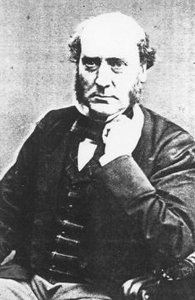
Quick Facts
- Artistic Movement Or Style: Gothic Revival
- Artists Or Movements Influenced By This Artist: ['Victorian Architecture']
- Artists Who Influenced This Artist: ['Charles Barry']
- Date Of Birth: October 8, 1839
- Date Of Death: May 6, 1897
- Full Name: George Gilbert Scott
- Nationality: British
- Notable Artworks:
- Liverpool Cathedral
- Battersea Power Station
- Leeds General Infirmary
- St Pancras Hotel
- Place Of Birth: London, England