

 Preview
 Send
Send Share
Share
 Details

 Download
 Similars
 X-Ray
X-Ray Diaporama
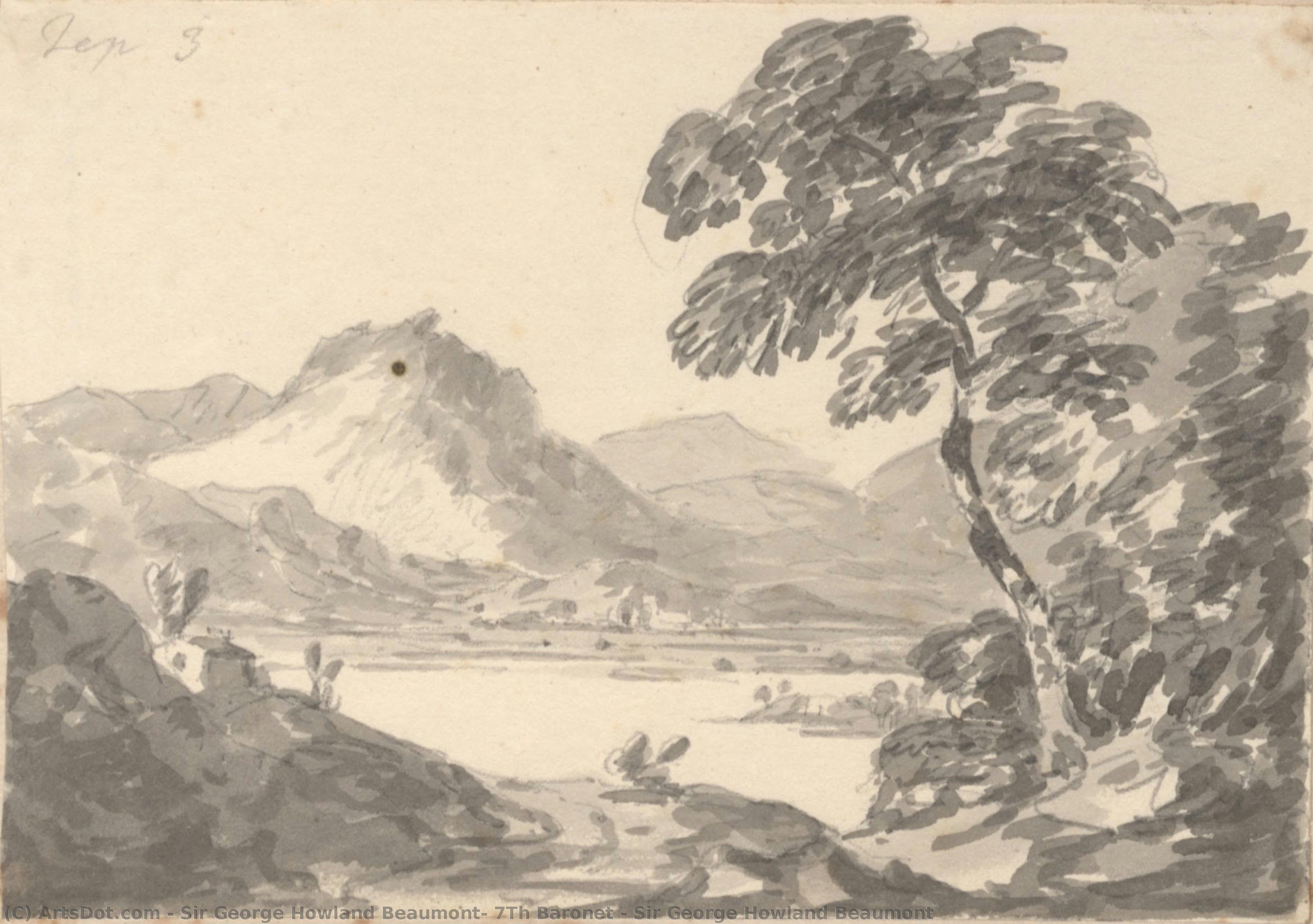
Sir George Howland Beaumont
 13.0 x 19.0 cm
 Wordsworth Grasmere
 Read More
Purchase a high-resolution, enhanced digital image, far superior to the online preview.
Each file is meticulously prepared by our in-house specialists using advanced tools and expert manual retouching. We ensure every image has exceptional clarity, precise color accuracy, and fine detail.
The final file is delivered via email within 72 hours, optimized for immediate use in professional, editorial, and print environments. This is the same quality trusted by top-tier design studios, publishers, and galleries.
Digital Image
Download a high-resolution file for personal display, printing, and creative projects. ( Buy Print Buy Hand Made Painting)
Included in Every Digital Image Order
Expert Digital Delivery, Guaranteed
When you choose ArtsDot.com, you're not just getting an image - you're receiving a professionally enhanced digital artwork, crafted with precision and backed by a satisfaction guarantee. Here's everything that comes with your order, automatically:

Fast Email Delivery
Your high-resolution digital image file will be emailed to you within 72 hours of ordering - ready for immediate use.

AI-Enhanced Digital File
Your artwork is professionally optimized using advanced AI tools and manual editing, ensuring maximum detail, clarity, and color accuracy.

Free Lifetime Re-Delivery
Accidentally deleted or lost your file? No worries - we'll resend it to you anytime, free of charge.

No Import Fees - Ever
Enjoy your artwork instantly with zero customs, duties, or delivery fees - digital downloads are always tax-free.

Color Accuracy Guarantee
We ensure your digital image reflects the original colors as closely as possible using professional tools and color management.

60-Day Satisfaction Guarantee
If you're not satisfied with your digital image, we'll revise it or refund 100% within 60 days - no questions asked.

100% Money-Back Guarantee
Not satisfied? Get a full refund within 60 days of receiving your digital file - no questions asked.

Bulk Order Discounts
Buy 3 images, save 10% - Buy 5, save 15% - Buy 10+, save 20%. Great for creative projects, galleries, and agencies.
Related Artworks









Artist Biography
Sir George Howland Beaumont: Patron of Pictures, Pioneer of the National Gallery
Sir George Howland Beaumont (1753-1827) wasn’t merely an amateur painter; he was a pivotal figure in shaping British art history and establishing one of its most beloved institutions. Born into landed gentry in Leicestershire, his life unfolded as a fascinating blend of aristocratic privilege, artistic passion, and a profound commitment to preserving and promoting the beauty of Old Master paintings. His story is inextricably linked with the creation of the National Gallery, where he played a crucial role through a generous bequest that fundamentally altered the course of British art collecting.
Beaumont’s early life was steeped in tradition. Educated at Eton College, he received instruction in drawing from Alexander Cozens, a landscape painter known for his innovative use of watercolor techniques. This initial training laid the groundwork for his lifelong fascination with capturing the nuances of light and atmosphere – though his own artistic output, primarily landscapes, often reflected the influence of his admired predecessors rather than forging a radically new style. However, Beaumont’s true calling lay not in creating art himself, but in acquiring it. His inheritance provided him with the means to embark on an ambitious collecting project, driven by a deep appreciation for the masterpieces of the past.
Beaumont's Grand Tour of 1782, undertaken with his wife Margaret, proved transformative. It exposed him to the vast and diverse world of European art, igniting a passion for the Old Masters – artists like Claude Lorrain, Rembrandt, Poussin, and Rubens. He began assembling a remarkable collection, initially focusing on works by British artists he knew personally, but quickly expanding to include treasures from across Europe. His dedication was fueled not just by aesthetic pleasure, but also by a desire to build a legacy of artistic excellence. His most prized possession, Claude’s *Landscape with Hagar and the Angel*, remained his constant companion throughout his life, a testament to its enduring beauty.
The Collector's Vision: Building a Legacy
Beaumont’s collecting strategy wasn’t simply about acquiring beautiful objects; it was about assembling a cohesive narrative of artistic history. He meticulously researched the provenance and significance of each painting, demonstrating a keen understanding of art historical context. He actively engaged with the artistic community, fostering relationships with leading artists like William Wordsworth, Robert Southey, and Thomas Cole – figures who shared his appreciation for the sublime beauty of the English landscape. These connections extended beyond mere friendship; Beaumont often provided financial support to emerging artists, recognizing their potential and contributing to the development of British art.
His influence wasn’t confined to the artistic realm. Beaumont was a prominent figure in London society, known for his refined taste, witty conversation, and generous patronage of cultural institutions. He served as a trustee of the British Institution, an ambitious project aimed at creating a museum dedicated to showcasing contemporary art – a precursor to the National Gallery. This commitment to fostering artistic appreciation extended beyond private collections; he actively promoted the study and understanding of art through lectures and publications.
The Beaumont Gift: Founding the National Gallery
Beaumont’s most enduring legacy lies in his pivotal role in establishing the National Gallery. In 1823, he offered a substantial portion of his collection to the nation – sixteen paintings representing a diverse range of styles and periods – on the condition that the government provide a suitable building for their display. This audacious proposal proved decisive. The British government seized upon Beaumont’s offer, purchasing the Angerstein Collection (the foundation of the gallery) and initiating the construction of Trafalgar Square as its home.
Beaumont's gift was not merely a donation; it was an act of profound faith in the power of art to enrich society. His willingness to relinquish his prized possessions for the benefit of the public demonstrated a remarkable generosity and foresight. The National Gallery, born from his vision, quickly became one of the world’s leading museums, attracting visitors from across the globe and solidifying its place as a cornerstone of British cultural heritage.
A Landscape Painter and His Circle
While Beaumont is primarily remembered for his role as a collector and benefactor, he was also an accomplished landscape painter in his own right. His works, often characterized by their atmospheric quality and meticulous attention to detail, reflect the influence of artists like Cozens and Wilson. He frequently depicted scenes from the Lake District and North Wales, capturing the dramatic beauty of these regions with a keen eye for light and color. His paintings were exhibited at the Royal Academy between 1794 and 1825, earning him recognition within the artistic community.
Beaumont’s circle extended beyond fellow artists; he cultivated friendships with leading writers and intellectuals of his time, including William Wordsworth and Samuel Taylor Coleridge. His home in Coleorton Hall served as a gathering place for these figures, fostering intellectual exchange and contributing to the vibrant cultural atmosphere of early 19th-century England. His patronage helped launch the careers of several young artists, most notably John Constable, whose painting *The Haystacks* was directly inspired by Beaumont’s collection.
Legacy and Historical Significance
Sir George Howland Beaumont remains a fascinating figure in British art history – a testament to the transformative power of patronage. His vision extended far beyond the acquisition of beautiful objects; he sought to create a national museum that would make art accessible to all, fostering appreciation and understanding across society. His legacy is inextricably linked with the founding of the National Gallery, an institution that continues to inspire and delight audiences today. Beaumont’s story serves as a reminder that art collecting can be not just a personal pursuit, but a powerful force for cultural enrichment and national pride.
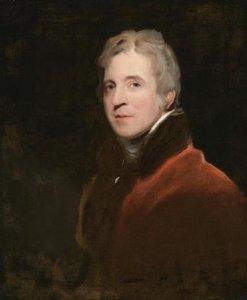
sir george howland beaumont, 7th baronet
1753 - 1827 , United Kingdom
Quick Facts
- Artistic Movement Or Style: Landscape painting
- Artists Or Movements Influenced By This Artist:
- William Wordsworth
- John Constable
- Artists Who Influenced This Artist:
- Alexander Cozens
- Richard Wilson
- Date Of Birth: 6 Nov 1753
- Date Of Death: 7 Feb 1827
- Full Name: Sir George Howland Beaumont, 7th Baronet
- Nationality: British
- Notable Artworks:
- Peele Castle in a Storm
- Hagar and the Angel
- Place Of Birth: Great Dunmow, Essex

