 Preview
 Send
Send Share
Share
 Details

 Download
 Similars
 X-Ray
X-Ray Diaporama
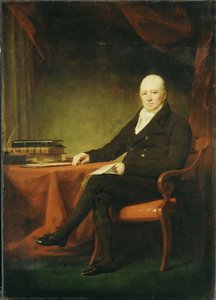
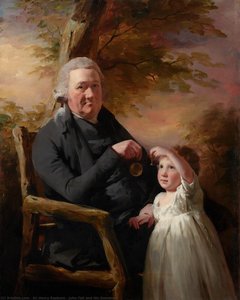
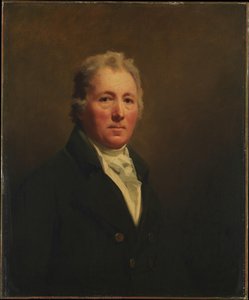
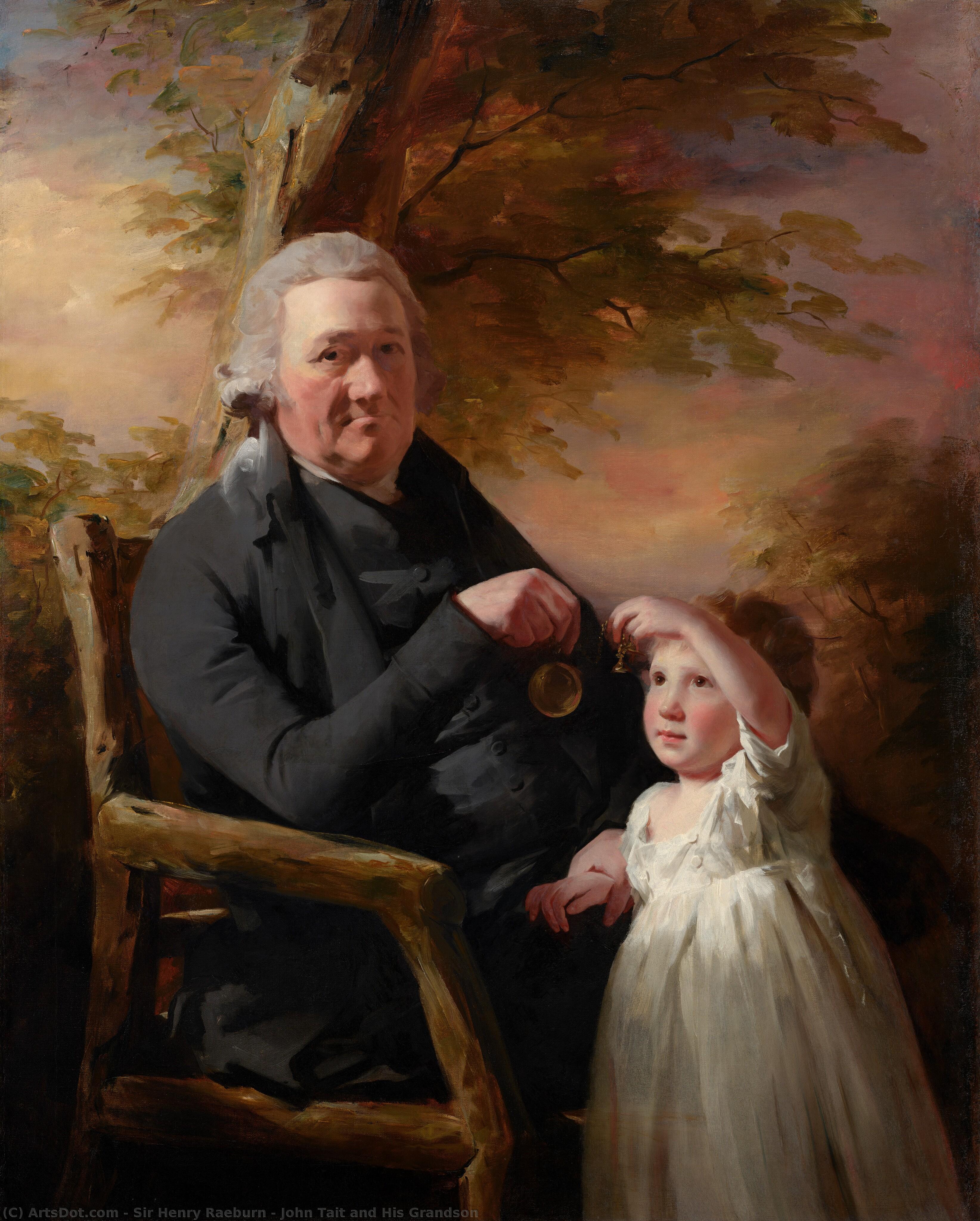
John Tait and His Grandson
 1800
1800 126.0 x 100.0 cm
 Read More
Hand Made Oil Reproduction
Hand-painted oil on canvas in your size and frame, made to order by our artists. ( Buy Print Buy Image)




































Pick from our preset sizes that match the artwork's original proportions.

You may enter your own dimensions to fit a specific frame or space. If your selected size does not match the original image's proportions, we will either crop the artwork or extend the painting with additional hand-painted elements. A digital mockup will be sent for your approval before production begins.
Please note that the on-screen preview does not reflect the actual cropping or extension. Only the mockup will accurately show the final composition.
While custom sizes are available, we recommend selecting a dimension from the predefined list to preserve the original proportions.
After order, ArtsDot.com team will email client for instructions and provide a mockup preview
Worldwide Delivery () in 3/4 weeks instead of standard 5 weeks. (17 August). No compromise on quality.

Free Worldwide Express Shipping

High-Quality Linen Canvas

Full Shipping Insurance

Customs Tax Refund Guarantee

True Color Matching Guarantee

60-Day Return Policy (Defects Only)

100% Money-Back Guarantee

Bulk Discount Offer
 Glass option is only available in size under 110 CM

John Tait and His Grandson
Reproduction Medium
Reproduction Size
-


Total Price
$ 263
Artwork Description
Related Artworks
Artist Biography
John Trumbull: The Painter of the Revolution
Born in Lebanon, Connecticut, in 1756, John Trumbull’s life was inextricably linked to the burgeoning ideals and tumultuous events of the American Revolutionary War. His lineage – descended from early Puritan settlers and boasting prominent figures like his father, Jonathan Trumbull, Governor of Connecticut, and brothers serving as key military and political leaders – provided him with a unique vantage point on the unfolding drama of a nation’s birth. Trumbull's story is not merely that of an artist; it’s one interwoven with the very fabric of American history, making him arguably the most significant painter of the Revolutionary era.
Early life and artistic development were shaped by circumstance and family influence. The childhood accident that resulted in a permanently impaired eye – a detail often overlooked but profoundly impacting his style – instilled in him a meticulous attention to detail and a preference for precise, controlled brushwork. He received a formal education at Harvard College, where he studied classical art alongside the burgeoning ideals of republicanism. However, unlike many of his contemporaries who pursued careers in politics or military service, Trumbull’s passion lay firmly within the realm of painting. His early works demonstrated an aptitude for portraiture and landscape, but it was his commitment to capturing historical events that would ultimately define his legacy.
A Soldier Turned Painter: The Revolutionary Years
Trumbull's military service during the American Revolution proved pivotal to his artistic career. He began as a volunteer, quickly rising through the ranks and witnessing firsthand the key battles and strategic decisions that shaped the war’s outcome. His sketches of British and Continental lines at Boston – meticulously rendered with an acute awareness of spatial relationships and tactical positioning – were invaluable intelligence assets for General Washington's forces. This experience wasn’t merely observational; it instilled in him a deep understanding of military strategy, which would later inform his historical paintings.
However, it was his role as a deputy adjutant general that cemented his place in the narrative of the Revolution. He participated in significant events such as the Battle of Bunker Hill and documented the strategic maneuvers leading up to the decisive victory at Saratoga. These experiences provided him with an unparalleled access to historical moments, fueling his ambition to create paintings that would immortalize these pivotal episodes for posterity. He wasn’t simply recording events; he was striving to capture the spirit and significance of the Revolution itself.
The “Painter of the Revolution” – Major Works
Trumbull's most enduring contribution lies in his four monumental history paintings, commissioned by Congress to adorn the Rotunda of the United States Capitol. These works—"George Washington Resigning His Commission," "The Declaration of Independence," "Surrender of Lord Cornwallis," and “Battle of Monmouth”—are not merely historical depictions; they are carefully constructed allegorical narratives designed to inspire patriotism and reinforce the ideals of republican government. Each painting is a complex tapestry of symbolism, meticulously researched and executed with remarkable technical skill.
"George Washington Resigning His Commission" (1817-1819), for example, depicts the moment when Washington relinquished his command, symbolizing the transfer of power from military leadership to civilian governance. The composition is deliberately balanced, reflecting the principles of classical art and emphasizing the solemnity of the occasion. Similarly, "The Declaration of Independence" (1818-1819) captures the signing of the document, portraying it as a triumphant assertion of liberty and self-determination. The painting’s placement on the reverse of the two-dollar bill is a testament to its enduring cultural significance.
Style and Legacy
Trumbull's artistic style was characterized by a rigorous attention to detail, a precise draftsmanship, and a deliberate use of classical composition. His paintings are notable for their clarity, balance, and emotional restraint—qualities that set him apart from the more flamboyant styles prevalent in contemporary art. Influenced by artists like Henry Raeburn, he developed a distinctive “square touch,” employing bold, decisive brushstrokes to convey strength and authority.
Despite facing criticism during his lifetime for his perceived lack of dramatic flair, Trumbull’s work has since been recognized as a cornerstone of American art history. He is rightly celebrated as the "Painter of the Revolution," not only for his masterful depictions of historical events but also for his profound contribution to the visual narrative of the nation's founding. His paintings continue to inspire awe and admiration, serving as enduring symbols of American ideals and the sacrifices made in the pursuit of liberty.
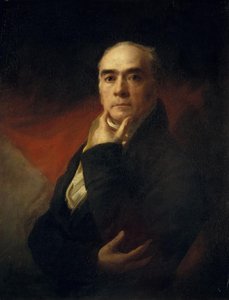
sir henry raeburn
1756 - 1823 , United Kingdom
Quick Facts
- Artistic Movement Or Style: Historical painting
- Artists Or Movements Influenced By This Artist: ['Historical painting']
- Artists Who Influenced This Artist: ['Henry Raeburn']
- Date Of Birth: June 6, 1756
- Date Of Death: November 10, 1843
- Full Name: John Trumbull
- Nationality: American
- Notable Artworks:
- Declaration of Independence
- Washington Resigning His Commission
- Cornwallis's Surrender
- Place Of Birth: Lebanon, Connecticut