

 Preview
 Send
Send Share
Share
 Details

 Download
 Similars
 X-Ray
X-Ray Diaporama
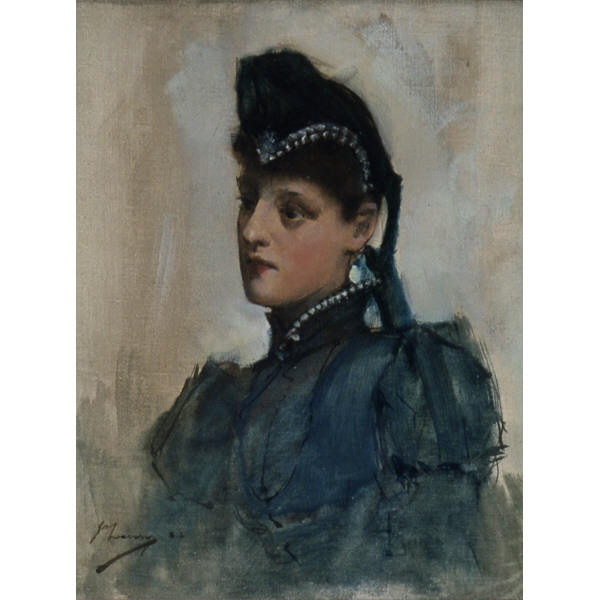
Portrait of a Young Woman

 Read More
Purchase a high-resolution, enhanced digital image, far superior to the online preview.
Each file is meticulously prepared by our in-house specialists using advanced tools and expert manual retouching. We ensure every image has exceptional clarity, precise color accuracy, and fine detail.
The final file is delivered via email within 72 hours, optimized for immediate use in professional, editorial, and print environments. This is the same quality trusted by top-tier design studios, publishers, and galleries.
Digital Image
Download a high-resolution file for personal display, printing, and creative projects. ( Buy Print Buy Hand Made Painting)
Included in Every Digital Image Order
Expert Digital Delivery, Guaranteed
When you choose ArtsDot.com, you're not just getting an image - you're receiving a professionally enhanced digital artwork, crafted with precision and backed by a satisfaction guarantee. Here's everything that comes with your order, automatically:

Fast Email Delivery
Your high-resolution digital image file will be emailed to you within 72 hours of ordering - ready for immediate use.

AI-Enhanced Digital File
Your artwork is professionally optimized using advanced AI tools and manual editing, ensuring maximum detail, clarity, and color accuracy.

Free Lifetime Re-Delivery
Accidentally deleted or lost your file? No worries - we'll resend it to you anytime, free of charge.

No Import Fees - Ever
Enjoy your artwork instantly with zero customs, duties, or delivery fees - digital downloads are always tax-free.

Color Accuracy Guarantee
We ensure your digital image reflects the original colors as closely as possible using professional tools and color management.

60-Day Satisfaction Guarantee
If you're not satisfied with your digital image, we'll revise it or refund 100% within 60 days - no questions asked.

100% Money-Back Guarantee
Not satisfied? Get a full refund within 60 days of receiving your digital file - no questions asked.

Bulk Order Discounts
Buy 3 images, save 10% - Buy 5, save 15% - Buy 10+, save 20%. Great for creative projects, galleries, and agencies.
Portrait of a Young Woman by Sir John Lavery
This captivating portrait, attributed to Sir John Lavery, embodies the elegance and contemplative spirit characteristic of the late Victorian era. Executed in oil paints on canvas—likely around 1896—the artwork depicts a young woman bathed in soft, diffused light, capturing a fleeting moment of serene beauty against a subtly textured beige-brown background. Lavery’s masterful technique skillfully blends impressionistic principles with meticulous observation, resulting in an image that transcends mere representation and delves into the emotional core of its subject.- Composition & Style: The portrait adheres to a classic bust-length format, prioritizing the woman's face and upper torso—a compositional choice reflecting the prevailing artistic conventions of the time. Lavery employs loose brushstrokes and soft edges, hallmarks of Impressionism, prioritizing light and color over precise detail. Asymmetrical balance contributes to visual interest, directing the viewer’s gaze slightly off-center and emphasizing the left side of her face.
- Color Palette & Texture: The palette leans heavily on muted blues, greys, browns, and creams—a deliberate selection designed to evoke a sense of tranquility and understated sophistication. Delicate pink hues adorn her cheeks and lips, subtly enhancing her complexion. Visible brushwork creates palpable texture throughout the canvas, particularly noticeable in the woman’s clothing and hair, demonstrating Lavery's commitment to capturing the materiality of his subject matter.
- Historical Context & Symbolism: Created during a period marked by social reform and artistic experimentation—the Victorian era transitioning into Edwardian society—the portrait speaks volumes about its time. The jewelry worn by the woman—earrings and a headband—symbolizes wealth and status, reflecting the aspirations of the upper classes. Lavery’s gaze conveys confidence and introspection, hinting at deeper emotions beneath the surface.
- Technique & Materials: Lavery's meticulous attention to detail is evident in his use of oil paints on canvas, utilizing an impasto technique that builds up thick layers of pigment—a hallmark of Victorian portraiture. This textural approach enhances the visual impact and contributes to the overall sense of realism.
- Emotional Impact & Legacy: Ultimately, “Portrait of a Young Woman” succeeds in conveying a profound emotional resonance. It captures not just an image but also a feeling—one of quiet grace, contemplative beauty, and perhaps a hint of melancholy—a testament to Lavery’s ability to distill the essence of his subject into a timeless masterpiece.
Related Artworks
Artist Biography
A Life Immersed in Portraiture and Society
Sir John Lavery, born in Belfast in 1856, was a painter who effortlessly captured the spirit of his age – an era defined by both opulent Edwardian society and the somber realities of wartime. His journey from humble beginnings to becoming one of Britain’s most sought-after portraitists is a testament to his talent, ambition, and ability to navigate the complex social currents of his time. Orphaned early in life, Lavery found himself transplanted to Scotland, where he received foundational training at Haldane Academy in Glasgow during the 1870s. This initial exposure ignited a passion that would lead him to further studies at the Académie Julian in Paris in the early 1880s, immersing him in the heart of European artistic innovation.
Upon his return to Glasgow, Lavery quickly became associated with the influential Glasgow School movement, absorbing its aesthetic principles and forging connections that would shape his early development. A pivotal moment arrived in 1888 when he secured a prestigious commission: painting Queen Victoria’s state visit to the Glasgow International Exhibition. This marked a turning point, catapulting him into the orbit of high society and prompting a move to London shortly thereafter. The commission wasn't merely a professional triumph; it signaled Lavery’s arrival as a painter capable of capturing not just likeness but also the grandeur and authority of his subjects.
Influences and Artistic Development
Lavery’s artistic sensibilities were profoundly shaped by several key influences, most notably James McNeill Whistler. He admired Whistler's emphasis on tonal harmony, atmospheric effects, and a refined aesthetic sensibility – qualities that would become hallmarks of Lavery’s own style. The influence is visible in the delicate brushwork and subtle color palettes found throughout his oeuvre. Beyond Whistler, Lavery absorbed lessons from French Impressionism, incorporating elements of its broken color and emphasis on capturing fleeting moments of light. However, he never fully embraced Impressionism's radical departure from traditional form; instead, he synthesized these influences into a uniquely personal style that balanced elegance with modernity.
His early work often featured scenes of everyday life and landscapes, but it was his mastery of portraiture that truly established his reputation. Lavery possessed an exceptional ability to capture the essence of his sitters – their personality, social standing, and inner lives – on canvas. He skillfully blended Impressionistic techniques with a keen eye for detail, creating portraits that were both aesthetically pleasing and psychologically insightful. He wasn’t simply recording appearances; he was interpreting character.
Wartime Depictions and National Recognition
The outbreak of World War I brought a new dimension to Lavery's artistic practice. Like William Orpen, he was appointed an official war artist, tasked with documenting the conflict. However, persistent ill-health and a harrowing car accident – a consequence of a Zeppelin bombing raid – prevented him from serving on the Western Front. Undeterred, Lavery focused his attention on scenes within Britain, capturing the atmosphere of wartime life through depictions of boats, aeroplanes, and airships. These works offer a unique perspective on the war effort, focusing not on the horrors of trench warfare but on the technological advancements and logistical challenges that defined the conflict on the home front.
Following the war, Lavery’s contributions were formally recognized with a knighthood in 1921 and election to the Royal Academy. His life became increasingly intertwined with the social and political elite, particularly the Asquith family. He spent considerable time at their Thames-side residence, creating portraits and idyllic scenes that offered glimpses into their privileged world. He also found himself drawn into the turbulent events surrounding Irish independence, providing his London home as a neutral ground for crucial treaty negotiations.
Legacy and Lasting Impact
Sir John Lavery’s legacy extends beyond his impressive body of work. He was a charismatic figure who moved effortlessly between artistic circles and high society, becoming a symbol of the era's cultural dynamism. His portraits remain highly prized for their elegance, technical skill, and insightful characterizations. Notably, his allegorical figure of Ireland appeared on Irish banknotes from 1928 until 1975 – a testament to his enduring national significance.
Lavery’s artistic style, characterized by its blend of Impressionistic techniques and meticulous detail, continues to inspire artists today. His ability to capture the essence of his subjects, combined with his mastery of light and color, ensures that his work will continue to captivate audiences for generations to come. He was a painter who not only documented his time but also helped define it, leaving an indelible mark on British art history.
Key Characteristics of His Art
- Impressionistic Techniques: Incorporated elements of Impressionism in his work, particularly in his use of light and color.
- Portraiture Expertise: Known for capturing both physical likeness and psychological depth in his portraits.
- Key Themes: Portraits, society scenes, wartime depictions, landscapes.
- Elegant Style: His paintings are often characterized by their elegance, vibrancy, and refined aesthetic sensibility.
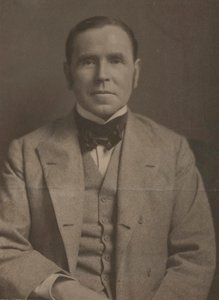
Sir John Lavery
1856 - 1941 , Ireland
Quick Facts
- Artistic Movement Or Style: Impressionism, Portraiture
- Artists Who Influenced This Artist: ['James McNeill Whistler']
- Date Of Birth: 1856
- Date Of Death: 1941
- Full Name: Sir John Lavery
- Nationality: Irish
- Notable Artworks:
- Mrs Lavery
- Michael Collins
- Summer on the River
- Place Of Birth: Belfast, Ireland

