 Preview
 Send
Send Share
Share
 Details

 Download
 Similars
 X-Ray
X-Ray Diaporama
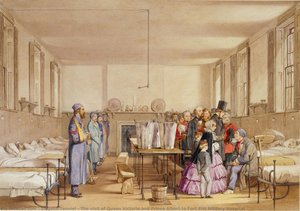
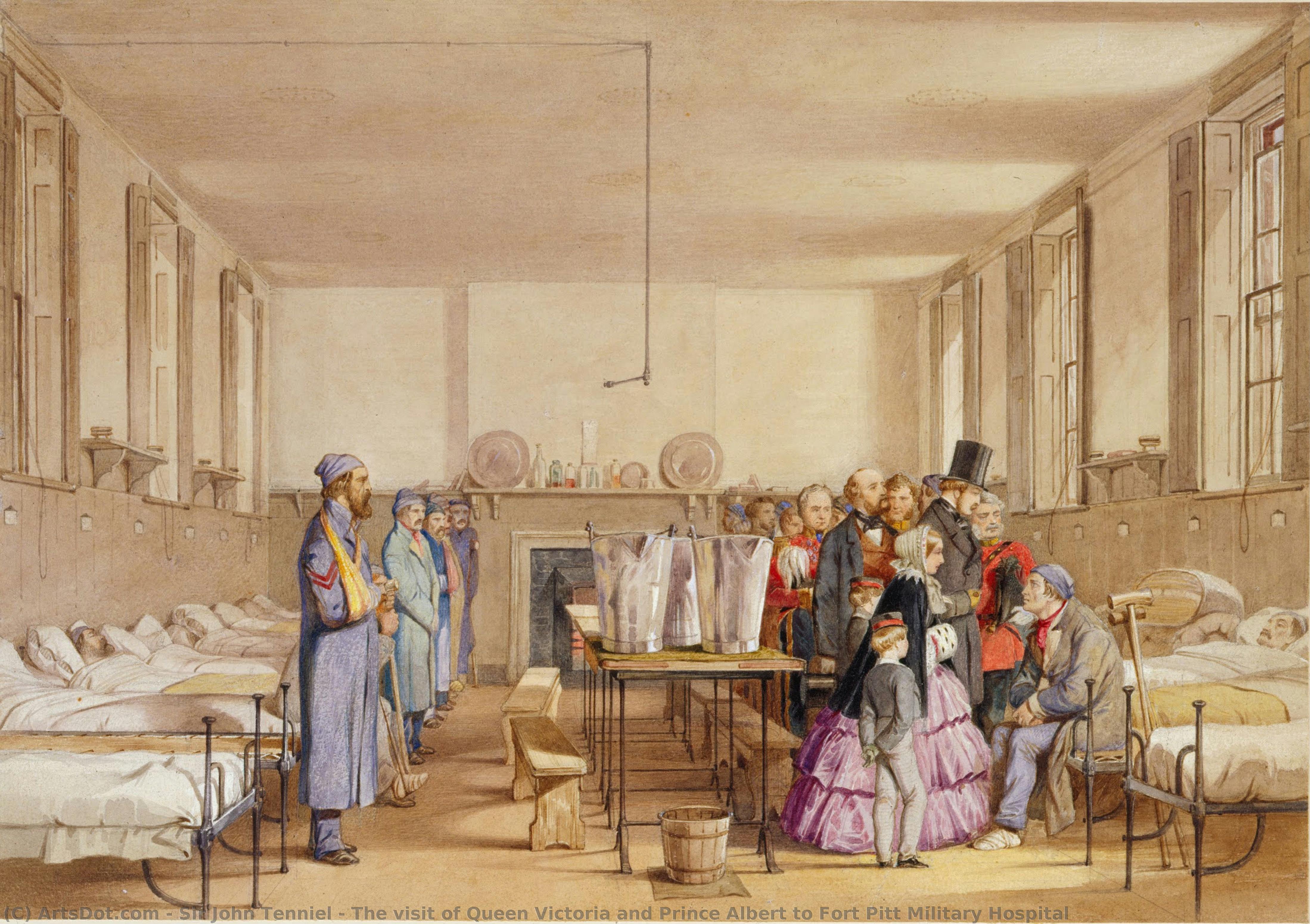
The visit of Queen Victoria and Prince Albert to Fort Pitt Military Hospital
 Acrylic On Canvas
- WallArt
- Victorian Illustration
 1855
1855 23.0 x 33.0 cm
 Royal Collection
 Read More
Hand Made Oil Reproduction
Hand-painted oil on canvas in your size and frame, made to order by our artists. ( Buy Print Buy Image)




P118B $10

P118H $10

P118W $10

P438Z $10

P508JH $12

P508YH $12

P805H $10

P805Z $10

P919BZ $10

P919G $10

P919XJ $10

P959ZH $10

P968JZ $12

W106C $8

W218G $10

W218JH $8

W218Y $10

W307PJ $10

W316G $10

W316PJ $8

W316Y $10

W398PJ $8

W4111J $10

W500HY $15

W500JH $15

W692G $12

W849H $8

W940BG $15

W953PJ $8




Pick from our preset sizes that match the artwork's original proportions.

You may enter your own dimensions to fit a specific frame or space. If your selected size does not match the original image's proportions, we will either crop the artwork or extend the painting with additional hand-painted elements. A digital mockup will be sent for your approval before production begins.
Please note that the on-screen preview does not reflect the actual cropping or extension. Only the mockup will accurately show the final composition.
While custom sizes are available, we recommend selecting a dimension from the predefined list to preserve the original proportions.
After order, ArtsDot.com team will email client for instructions and provide a mockup preview
Worldwide Delivery () in 3/4 weeks instead of standard 5 weeks. (16 August). No compromise on quality.

Free Worldwide Express Shipping

High-Quality Linen Canvas

Full Shipping Insurance

Customs Tax Refund Guarantee

True Color Matching Guarantee

60-Day Return Policy (Defects Only)

100% Money-Back Guarantee

Bulk Discount Offer
 Glass option is only available in size under 110 CM

The visit of Queen Victoria and Prince Albert to Fort Pitt Military Hospital
Reproduction Medium
Reproduction Size
-


Total Price
$ 263
Artwork Description
A Moment of Compassion: Sir John Tenniel’s 1855 Depiction
Sir John Tenniel's watercolor, “The Visit of Queen Victoria and Prince Albert to Fort Pitt Military Hospital,” transcends a simple historical record; it’s a poignant tableau of Victorian empathy and social awareness. Painted in 1855, the artwork captures a pivotal moment during Queen Victoria’s tour of military hospitals following the Crimean War. More than just documenting a royal visit, Tenniel masterfully conveys the hardships faced by returning soldiers and the profound concern felt for their well-being within the rigid societal structures of the era.
The scene unfolds within the austere confines of Fort Pitt, a repurposed military hospital in Chatham, Kent. The composition is carefully balanced – Queen Victoria, radiating regal composure, stands at the center, observing the assembled figures. Prince Albert, her devoted husband, accompanies her, his presence suggesting a shared commitment to humanitarian efforts. Around them are soldiers, many bearing the visible scars of battle, and nurses tending to their needs. The room itself is functional yet somewhat stark, highlighting the limitations of the hospital’s facilities – a lack of a dining room forcing patients to share meals in the same space where they received medical care.
Tenniel's Artistic Style and Technique
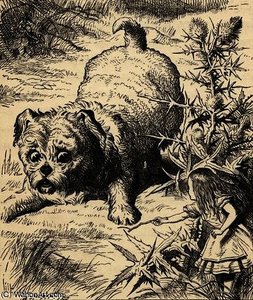
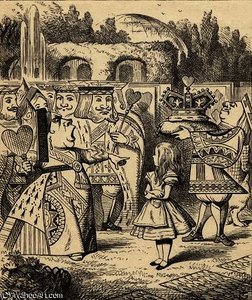
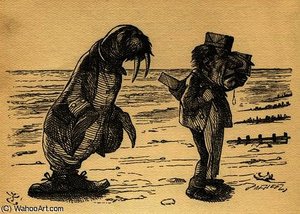
Tenniel, renowned for his illustrations in *Alice’s Adventures in Wonderland* and *Through the Looking-Glass*, brought his meticulous attention to detail and narrative skill to this watercolor. His technique is characterized by a delicate layering of washes, creating subtle tonal variations that imbue the scene with atmosphere. The artist employs loose brushstrokes, particularly in depicting the soldiers' uniforms and the textures of the room’s furnishings, lending a sense of immediacy and realism. The use of light is masterful; it illuminates the figures while casting shadows that emphasize the somber mood and the challenges faced by those within the hospital.
Notably, Tenniel doesn’t shy away from portraying the less glamorous aspects of military life – the cramped conditions, the shared spaces, and the visible suffering. This honesty was a significant departure from idealized depictions of war and heroism prevalent at the time. The artist's ability to capture both the dignity of the royal couple and the vulnerability of their subjects is what elevates this work beyond mere documentation.
Historical Context: Crimean War and Victorian Social Reform
The painting’s creation coincided with the aftermath of the Crimean War (1853-1856), a conflict that exposed significant deficiencies in British military organization and medical care. The war's devastating casualties, particularly among young soldiers, sparked widespread public outrage and calls for reform. Queen Victoria, deeply affected by the suffering of her subjects, initiated a series of visits to military hospitals throughout Britain, seeking to demonstrate compassion and support for those who had served their country.
Tenniel’s depiction aligns perfectly with this broader social context. The painting serves as a visual testament to Queen Victoria's commitment to improving the conditions faced by returning soldiers – a subtle but powerful statement of reform within the Victorian era, where public displays of empathy were often carefully managed and strategically employed.
Symbolism and Emotional Resonance
Beyond its historical significance, “The Visit” is rich in symbolism. The Queen’s attentive gaze represents her concern for the soldiers' welfare, while Prince Albert’s presence underscores the importance of family and compassion within the royal household. The soldiers themselves embody resilience and endurance, bearing witness to their experiences with quiet dignity. The shared dining space, a stark reminder of the hospital’s limitations, symbolizes the sacrifices made by these men – their comfort sacrificed for the greater good.
Ultimately, Tenniel's artwork evokes a powerful sense of empathy and reminds us of the human cost of war. It is not merely a portrait of a royal visit but a poignant meditation on compassion, duty, and the enduring spirit of those who have served their nation.
Related Artworks
Artist Biography
A Life Etched in Line: The World of Sir John Tenniel
Born in the burgeoning London district of Bayswater on February 28, 1820, Sir John Tenniel entered a world poised between tradition and rapid change. Though destined to become one of Victorian England’s most celebrated visual storytellers, his early life offered little indication of the artistic path he would forge. Quiet and introspective by nature, Tenniel possessed an observant eye and a meticulous hand – qualities that would later define his remarkable career. He initially pursued studies at the Royal Academy of Arts in 1842, presenting a portfolio demonstrating considerable skill in replicating classical sculpture. However, he found himself increasingly disillusioned with the Academy’s rigid pedagogical methods, preferring instead to cultivate his talent through independent study and observation. This self-directed approach would prove crucial in shaping his unique artistic voice, allowing him to develop a style that blended precise draftsmanship with a keen understanding of human character and social dynamics.From Political Satire to Wonderland’s Embrace
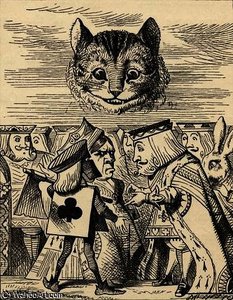
Tenniel's ascent to prominence was initially fueled by his mastery of political cartooning. For over half a century, he served as the principal cartoonist for *Punch* magazine, becoming a pivotal voice in shaping public opinion during a period of immense social and political upheaval. His satirical images were not merely humorous; they were incisive commentaries on contemporary events, deftly exposing hypocrisy and challenging established power structures. He possessed an extraordinary ability to capture likenesses with remarkable accuracy, transforming politicians and prominent figures into instantly recognizable caricatures. This skill, combined with his masterful linework and compositional finesse, elevated political cartooning to a new level of artistic sophistication. Yet, it is perhaps for a different kind of illustration that Tenniel is most enduringly remembered: his work on Lewis Carroll’s *Alice's Adventures in Wonderland* (1865) and *Through the Looking-Glass, and What Alice Found There* (1871). Commissioned by Carroll himself, Tenniel’s illustrations breathed life into the fantastical world of Wonderland, creating iconic depictions of characters like the Mad Hatter, the Cheshire Cat, and the Queen of Hearts that have become deeply embedded in popular culture. His ability to seamlessly blend realism with fantasy, capturing both the whimsical absurdity and underlying psychological depth of Carroll's narrative, cemented his legacy as a master illustrator.A Style Defined by Detail and Nuance
Tenniel’s artistic style is characterized by an unwavering commitment to detail, precision, and observation. His illustrations are meticulously rendered, with every line carefully considered and executed. He favored a technique of delicate linework, often employing subtle shading to create depth and texture. This approach allowed him to convey a remarkable range of emotions and expressions, imbuing his characters with personality and believability. While influenced by earlier engravers and illustrators, Tenniel developed a distinctive visual language that was uniquely his own. He possessed an exceptional ability to capture movement and gesture, bringing a dynamic energy to his compositions. His work evolved over time, reflecting both changes in artistic trends and shifts in social attitudes. As he matured as an artist, his political cartoons became increasingly sophisticated and nuanced, demonstrating a deeper understanding of the complexities of human nature and the intricacies of political life.Recognition and Enduring Legacy
Tenniel’s contributions to British art and culture were formally recognized in 1893 when he was knighted – a groundbreaking honor for an illustrator or cartoonist, signifying the growing respect accorded to these previously undervalued artistic disciplines. Beyond this prestigious accolade, his lasting impact lies in his profound influence on subsequent generations of artists and illustrators. He not only elevated the status of satirical illustration but also demonstrated the power of visual storytelling to shape public discourse and inspire imagination. His illustrations for *Alice* remain beloved classics, continuing to captivate readers of all ages with their timeless charm and enduring appeal. Tenniel’s work serves as a testament to the transformative power of art, demonstrating how a single artist can leave an indelible mark on both the cultural landscape and the collective imagination. His legacy extends far beyond the pages of *Punch* magazine or the fantastical realms of Wonderland, resonating in the countless works of cartooning and graphic humor that have followed in his wake.Exploring Tenniel’s World Further
For those seeking to delve deeper into the world of Sir John Tenniel, several avenues await exploration. Related artists such as Waller Hugh Paton offer a glimpse into the broader artistic context of the Victorian era. Museums like The Peter Scott Gallery in Lancaster and Sir John Soane's Museum in London house collections that provide valuable insights into his life and work. Online platforms such as ArtsDot and ArtsDot offer reproductions of his iconic images, allowing art enthusiasts to experience his artistry firsthand. Further research can be found on resources like Wikipedia and Britannica, providing comprehensive biographical information and critical analyses of his contributions. Tenniel’s enduring appeal lies not only in the beauty and skill of his illustrations but also in their ability to transport us to worlds both real and imagined, reminding us of the power of art to entertain, enlighten, and inspire.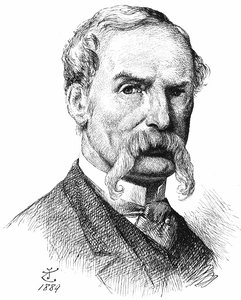
Sir John Tenniel
1820 - 1914 , United Kingdom
Quick Facts
- Artistic Movement Or Style: Satirical illustration
- Artists Or Movements Influenced By This Artist:
- Cartoonists
- Illustrators
- Date Of Birth: February 28, 1820
- Date Of Death: 1914
- Full Name: Sir John Tenniel
- Nationality: British
- Notable Artworks:
- Alice's Adventures in Wonderland
- Through the Looking-Glass
- Place Of Birth: Bayswater, UK
Related Articles

Albert Charles Lebourg: A Study in Atmospheric Impressionism & Rural France
Explore the serene landscapes of Albert Charles Lebourg, a master of the Rouen School Impressionists. Discover his atmospheric paintings of the Seine and enduring legacy in 19th-century French art.

Albert Goodwin: Capturing Victorian Light & Atmosphere – A Study in Landscape Painting
Explore the captivating landscapes of Albert Goodwin (1845-1932), a celebrated Victorian watercolourist influenced by Turner & Ruskin. Discover his techniques, prolific collection, and lasting legacy in British art history.
Albert Edelfelt: A Pioneer of Finnish Realism & International Impressionist Circles
Explore the life & work of Albert Edelfelt, a pioneering Finnish Realist painter who bridged Impressionism & national identity. Discover his masterpieces and lasting influence on art history.

Albert Bierstadt: Luminosity, Landscape & the American Ideal
Explore the breathtaking landscapes of Albert Bierstadt, master of the American West & a leading figure in the Hudson River School. Discover his luminous style and iconic paintings – a timeless investment for art lovers.
Hudson River School: 10 Masterpieces That Capture America's Wild Beauty | ArtsDot
Journey through America's breathtaking landscapes with our guide to the Top 10 Hudson River School masterpieces. Explore Thomas Cole, Frederic Church & more! Find museum-quality art reproductions and elevate your home decor at ArtsDot.com.