

 Preview
 Send
Send Share
Share
 Details

 Download
 Similars
 X-Ray
X-Ray Diaporama
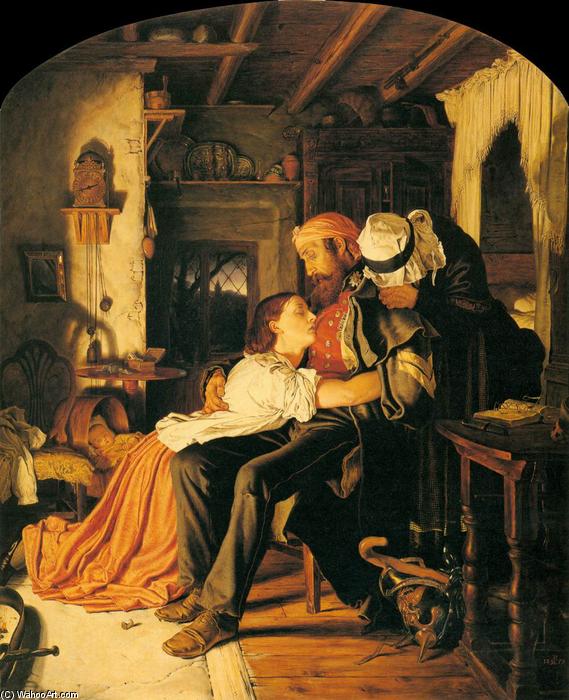
'Home': The Return from the Crimea
 Oil On Panel
- Pre-Raphaelite Brotherhood
 1859
1859- 19th Century
 71.0 x 58.0 cm
 Royal Collection
 Read More
Purchase a high-resolution, enhanced digital image, far superior to the online preview.
Each file is meticulously prepared by our in-house specialists using advanced tools and expert manual retouching. We ensure every image has exceptional clarity, precise color accuracy, and fine detail.
The final file is delivered via email within 72 hours, optimized for immediate use in professional, editorial, and print environments. This is the same quality trusted by top-tier design studios, publishers, and galleries.
Digital Image
Download a high-resolution file for personal display, printing, and creative projects. ( Buy Print Buy Hand Made Painting)
Included in Every Digital Image Order
Expert Digital Delivery, Guaranteed
When you choose ArtsDot.com, you're not just getting an image - you're receiving a professionally enhanced digital artwork, crafted with precision and backed by a satisfaction guarantee. Here's everything that comes with your order, automatically:

Fast Email Delivery
Your high-resolution digital image file will be emailed to you within 72 hours of ordering - ready for immediate use.

AI-Enhanced Digital File
Your artwork is professionally optimized using advanced AI tools and manual editing, ensuring maximum detail, clarity, and color accuracy.

Free Lifetime Re-Delivery
Accidentally deleted or lost your file? No worries - we'll resend it to you anytime, free of charge.

No Import Fees - Ever
Enjoy your artwork instantly with zero customs, duties, or delivery fees - digital downloads are always tax-free.

Color Accuracy Guarantee
We ensure your digital image reflects the original colors as closely as possible using professional tools and color management.

60-Day Satisfaction Guarantee
If you're not satisfied with your digital image, we'll revise it or refund 100% within 60 days - no questions asked.

100% Money-Back Guarantee
Not satisfied? Get a full refund within 60 days of receiving your digital file - no questions asked.

Bulk Order Discounts
Buy 3 images, save 10% - Buy 5, save 15% - Buy 10+, save 20%. Great for creative projects, galleries, and agencies.
Collectible Description
Home (The Return from the Crimea) by Sir Joseph Noel Paton
Sir Joseph Noel Paton’s “Home: The Return from the Crimea” stands as a poignant emblem of Victorian compassion and artistic innovation, capturing a moment of profound familial reunion amidst the lingering shadows of conflict. Painted in 1859, this oil on panel masterpiece transcends mere depiction; it embodies a carefully considered meditation on themes of homecoming, faith, and the enduring strength of love—subjects championed by John Ruskin’s call for artists to engage with moral considerations.
The painting's narrative unfolds with exquisite detail. A Crimean War veteran returns home after months away, greeted with overwhelming emotion by his wife and mother. The corporal’s weary posture – bandaged head, missing arm – serves as a stark reminder of the brutal realities faced by soldiers during the era, juxtaposed against the tender embrace of family members. Paton skillfully employs chiaroscuro—the dramatic interplay of light and shadow—to illuminate this intimate scene, emphasizing the warmth emanating from the hearth and highlighting the vulnerability of those awaiting their loved one’s return.
Beyond its realism lies a rich tapestry of symbolism. The inclusion of a Russian infantry helmet underscores the pervasive presence of war, while folded letters symbolize communication and longing. A Crimean campaign medal represents honor and service—a tangible testament to the sacrifices made for the nation. However, most powerfully, Paton’s composition echoes the Lamentation over Christ—a deliberate reference to biblical iconography—where Mary Magdalene and the Virgin Mary support Jesus after his crucifixion. This allusion elevates the scene beyond a simple portrayal of domestic life, imbuing it with spiritual significance.
Queen Victoria herself recognized the painting's profound emotional impact, commenting that “It is beautiful in sentiment & execution,” demonstrating the royal patronage’s appreciation for Paton’s artistic vision. The commission reflects Victoria’s deep concern for her soldiers and their families—a testament to the artist’s ability to capture not only visual beauty but also the moral heart of his time.
Further research reveals that Paton's work was lauded by critics like Lady Eastlake who described it as “A superb thing,” highlighting its masterful blend of realism and emotive storytelling. The painting’s enduring appeal stems from its ability to convey universal human experiences—the bittersweet joy of reunion, the solace found in faith, and the unwavering bond between family members—themes that continue to resonate with audiences today.
The provenance of “Home” traces back to Queen Victoria herself who commissioned a reproduction of this artwork. This royal endorsement solidified Paton’s reputation as one of Victorian Britain's foremost painters, cementing his legacy as an artist who skillfully blended artistic technique with moral contemplation—a distinction that continues to inspire admiration and scholarly interest.
Related Artworks
Artist Biography
A Scottish Visionary: The Life and Art of Sir Joseph Noel Paton
Born in the textile town of Dunfermline, Scotland, on December 13, 1821, Sir Joseph Noel Paton emerged as a unique voice within the Victorian art world. His upbringing amidst the intricate designs of damask weaving—his parents were skilled designers and weavers themselves—instilled in him an early appreciation for detail and pattern that would profoundly influence his artistic style. Though initially involved in the family business, directing design at a muslin factory, Paton’s true calling lay elsewhere. A thirst for artistic knowledge led him to Dunfermline Art Academy, laying the foundation for a career deeply rooted in Scottish folklore, Celtic legends, and religious narratives. A brief period of study at the Royal Academy in London in 1843 exposed him to the prevailing artistic currents, and an invitation from John Everett Millais to join the Pre-Raphaelite Brotherhood—an offer Paton ultimately declined—demonstrates his connection to this influential movement, even as he forged his own distinct path.Weaving Myth and Morality: The Development of a Unique Style
Paton’s artistic journey was characterized by an extraordinary synthesis of diverse influences. He wasn't merely illustrating tales; he was breathing life into them with meticulous detail and emotional depth. His early works, such as “The Quarrel of Oberon and Titania” (1847), now a cornerstone of the National Gallery of Scotland’s collection, immediately established his reputation for capturing fantastical scenes with remarkable realism. This painting, inspired by Shakespeare's *A Midsummer Night's Dream*, showcases not only technical skill but also Paton’s ability to imbue mythological subjects with psychological complexity. He didn’t simply depict fairies; he portrayed their passions, conflicts, and vulnerabilities. Beyond the realm of folklore, Paton explored religious themes with equal fervor, as evidenced in works like “Luther Discovering Justification by Faith,” revealing a deep engagement with theological concepts. His paintings are not just visually stunning but also intellectually stimulating, inviting viewers to contemplate profound questions about faith, morality, and the human condition. He was equally adept at sculpture and poetry, further demonstrating his multifaceted artistic talents.A Royal Appointment and Enduring Legacy
Recognition of Paton’s exceptional talent came in 1865 with his appointment as Queen's Limner for Scotland—a prestigious position that solidified his status as the foremost artist in the country. Two years later, he was knighted, a testament to his significant contributions to the arts and Scottish culture. This period saw him continue to produce works that blended historical accuracy with imaginative storytelling. Paintings like “Puck and Fairies” exemplify his mastery of capturing the ethereal beauty and mischievous spirit of the fairy world. His ability to create believable yet otherworldly scenes set him apart from many of his contemporaries. Paton’s influence extended beyond painting; he was a respected antiquarian, collecting arms and armor, and his poetic endeavors further enriched his artistic vision. He published two volumes of poetry that reflect the same romantic sensibility found in his paintings.Themes and Symbolism: A Window into Victorian Scotland
Paton’s work is deeply imbued with symbolism, reflecting both personal beliefs and the broader cultural anxieties of the Victorian era. His fascination with Celtic legends speaks to a growing interest in national identity and folklore during this period. The fairy paintings, while seemingly whimsical, often carry underlying moral messages about temptation, innocence, and the dangers of unchecked desire. Religious works, such as those depicting scenes from the life of Martin Luther, explore themes of faith, redemption, and the struggle against oppression.- His meticulous attention to detail—evident in the intricate costumes, landscapes, and facial expressions—adds layers of meaning to his compositions.
- The use of dramatic lighting and rich color palettes enhances the emotional impact of his paintings.
- Paton’s works often feature allegorical figures representing abstract concepts like love, death, and justice.
A Lasting Impression: Paton’s Place in Art History
Sir Joseph Noel Paton passed away on December 26, 1901, leaving behind a rich artistic legacy that continues to captivate audiences today. His works can be found in prominent museums and collections, including the Scottish National Gallery and the National Records of Scotland, ensuring his art remains accessible for generations to come. While he declined formal membership within the Pre-Raphaelite Brotherhood, his work shares their commitment to detail, symbolism, and narrative storytelling. However, Paton’s unique blend of Celtic mythology, religious themes, and Victorian sensibilities sets him apart as a truly original artist. He stands as a testament to the power of art to transport us to other worlds, explore profound truths, and celebrate the rich cultural heritage of Scotland. His paintings are not merely historical artifacts; they are living embodiments of imagination, faith, and artistic vision.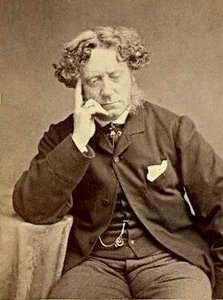
Sir Joseph Noel Paton
1821 - 1901 , United Kingdom
Quick Facts
- Artistic Movement Or Style: Pre-Raphaelite influences
- Artists Who Influenced This Artist: ['John Everett Millais']
- Date Of Birth: December 13, 1821
- Date Of Death: 1901
- Full Name: Sir Joseph Noel Paton
- Nationality: Scottish
- Notable Artworks:
- The Quarrel of Oberon and Titania
- Puck and Fairies
- Hesperus
- Luther discovering justification
- Place Of Birth: Dunfermline, UK

