 Preview
 Send
Send Share
Share
 Details

 Download
 Similars
 X-Ray
X-Ray Diaporama
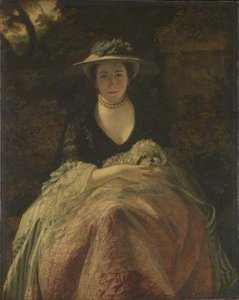
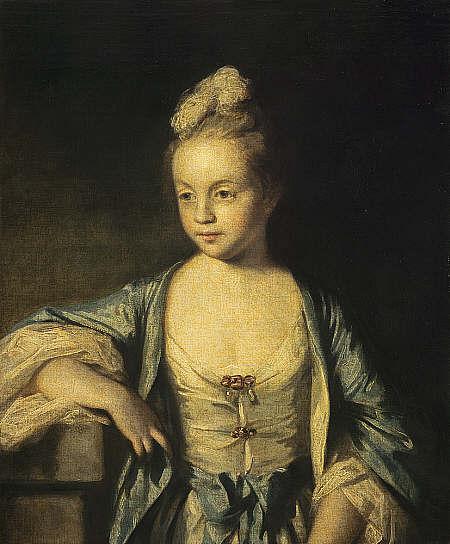
A Little Girl (possibly Lady Frances Scott, later Lady Douglas)
 Acrylic On Canvas
- WallArt
- Neoclassicism
 1759
1759 76.0 x 63.0 cm
 Scottish National Gallery
 Read More
Hand Made Oil Reproduction
Hand-painted oil on canvas in your size and frame, made to order by our artists. ( Buy Print Buy Image)




P118B $10

P118H $10

P118W $10

P438Z $10

P508JH $12

P508YH $12

P805H $10

P805Z $10

P919BZ $10

P919G $10

P919XJ $10

P959ZH $10

P968JZ $12

W106C $8

W218G $10

W218JH $8

W218Y $10

W307PJ $10

W316G $10

W316PJ $8

W316Y $10

W398PJ $8

W4111J $10

W500HY $15

W500JH $15

W692G $12

W849H $8

W940BG $15

W953PJ $8




Pick from our preset sizes that match the artwork's original proportions.

You may enter your own dimensions to fit a specific frame or space. If your selected size does not match the original image's proportions, we will either crop the artwork or extend the painting with additional hand-painted elements. A digital mockup will be sent for your approval before production begins.
Please note that the on-screen preview does not reflect the actual cropping or extension. Only the mockup will accurately show the final composition.
While custom sizes are available, we recommend selecting a dimension from the predefined list to preserve the original proportions.
After order, ArtsDot.com team will email client for instructions and provide a mockup preview
Worldwide Delivery () in 3/4 weeks instead of standard 5 weeks. (16 August). No compromise on quality.

Free Worldwide Express Shipping

High-Quality Linen Canvas

Full Shipping Insurance

Customs Tax Refund Guarantee

True Color Matching Guarantee

60-Day Return Policy (Defects Only)

100% Money-Back Guarantee

Bulk Discount Offer
 Glass option is only available in size under 110 CM

A Little Girl (possibly Lady Frances Scott, later Lady Douglas)
Reproduction Medium
Reproduction Size
-


Total Price
$ 263
Artwork Description
A Portrait of Innocence: Sir Joshua Reynolds’ “A Little Girl”
Sir Joshua Reynolds' "A Little Girl," painted in 1759 and currently residing within the esteemed collection of the Scottish National Gallery, is more than just a charming depiction of childhood; it’s a masterful study in light, composition, and the very essence of aristocratic portraiture. This exquisite work offers a rare glimpse into the world of Georgian England, revealing not only the sitter's beauty but also the carefully constructed social narratives that Reynolds so expertly navigated within his art.
The painting immediately draws the eye to its subject – a young girl, likely Lady Frances Scott, later Lady Douglas. Her blonde hair is rendered with an almost ethereal softness, catching the light in delicate strands, while her blue dress—a shade of deep azure—provides a striking contrast against the neutral background. Reynolds’ signature technique shines through: he employs a subtle sfumato effect, blurring the edges and creating a hazy atmosphere that softens the girl's features and imbues the scene with an air of gentle mystery. The pearl adorning her hair isn’t merely decorative; it subtly elevates the image, hinting at a lineage of wealth and privilege – a key element in Reynolds’ approach to portraying his aristocratic clientele.
The Grand Style and Reynolds’ Patronage
“A Little Girl” is a quintessential example of what Reynolds termed “the Grand Style,” a method he developed during his time in Rome. This style prioritized idealized beauty, carefully controlled lighting, and an emphasis on the sitter's social standing. Reynolds wasn’t simply aiming to capture a likeness; he was crafting an image that projected wealth, refinement, and impeccable taste – qualities highly valued by the aristocratic patrons who commissioned his portraits. The chair she occupies is not just a prop but a deliberate element of the composition, suggesting a moment of quiet contemplation within a luxurious setting.
The painting’s creation was deeply intertwined with Reynolds' relationships within London society. He meticulously cultivated connections with prominent families, understanding that social standing and reputation were as important as artistic skill. Lady Frances Scott’s family, the Scotts of Buccleuch, were among his most esteemed patrons, and this portrait likely served to solidify their position within the elite circles of Georgian England. The fact that Reynolds painted a similar portrait of the girl with her brothers in 1758 suggests a deliberate effort to capture her evolving beauty and establish a visual continuity within the family’s artistic legacy.
Symbolism and Emotional Resonance
Beyond its technical brilliance, “A Little Girl” is rich in subtle symbolism. The direct gaze of the young subject—she looks directly at the viewer—creates an immediate connection, inviting us into her world. This isn't a passive portrait; it’s an engagement. The pearl, as mentioned earlier, symbolizes status and nobility, while the simple blue dress speaks to innocence and youth. Reynolds masterfully uses these elements to convey not just physical beauty but also a sense of quiet dignity and poised grace.
Furthermore, the painting evokes a feeling of nostalgia—a longing for an idealized past. The soft lighting, the gentle expression, and the overall atmosphere contribute to this emotional resonance. It’s a portrait that transcends its historical context, speaking to universal themes of childhood, beauty, and the enduring power of art to capture fleeting moments in time. The image is not just a record of a young girl; it's an embodiment of Georgian ideals of beauty and social grace.
A Reproduction for Your Collection
ArtsDot offers meticulously hand-painted reproductions of “A Little Girl” that faithfully recreate Reynolds’ masterful technique and evocative atmosphere. Each reproduction is created by skilled artists using the same pigments and methods employed by the original painter, ensuring an unparalleled level of detail and authenticity. Whether you're a seasoned art collector or simply seeking to add a touch of elegance to your home, this stunning reproduction provides a beautiful and historically significant addition to any collection. Inquire today about bringing this timeless masterpiece into your space!
Related Artworks
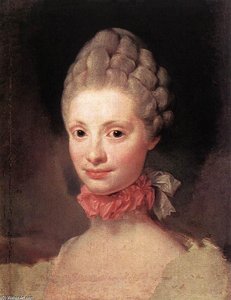
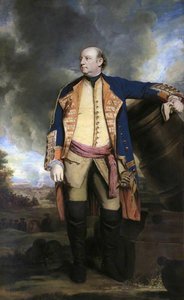
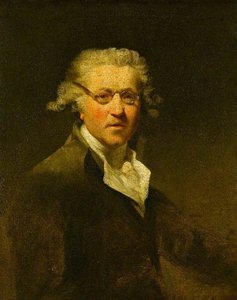
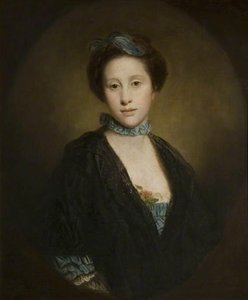
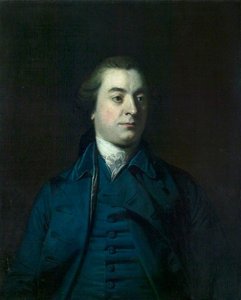
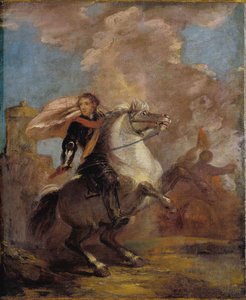
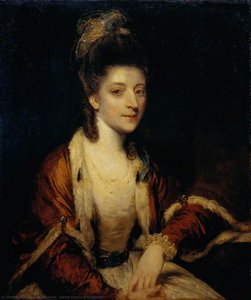
Artist Biography
A Luminary of the Enlightenment: The Life and Art of Sir Joshua Reynolds
Born in 1723 in the quaint Devonshire town of Plympton, Sir Joshua Reynolds emerged as a pivotal figure during a period of immense cultural transformation in Britain. His father, Reverend Samuel Reynolds, instilled in him a love for learning and intellectual pursuits, initially steering young Joshua towards a scholarly path. However, an undeniable artistic inclination soon surfaced, leading to his apprenticeship with Thomas Hudson in London at the age of seventeen. This formative experience provided Reynolds with a solid foundation in portraiture—a genre that would define his illustrious career. Hudson’s studio was a bustling hub of fashionable society, exposing Reynolds to the demands and expectations of aristocratic patrons, shaping not only his technique but also his understanding of the social landscape he would come to depict so masterfully. It wasn't merely about capturing likeness; it was about constructing an image that reflected status, taste, and aspiration.Forging a ‘Grand Style’ for British Portraiture
Reynolds didn’t simply replicate what he learned from Hudson. He embarked on a journey of artistic exploration, fueled by a deep admiration for the Old Masters—particularly Raphael, Michelangelo, and Titian. A pivotal moment in his development was a sojourn to Rome in 1750, where he immersed himself in classical art and absorbed the principles of the ‘Grand Style’ – an approach that prioritized idealized beauty, dramatic composition, and historical or mythological allusions. Upon returning to England, Reynolds sought to elevate British portraiture beyond mere representation, infusing it with a sense of dignity and intellectual weight previously unseen. He believed that portraits should not just record physical appearances but also reveal the sitter's character and social standing. This ambition led him to incorporate elements of history painting into his work, often depicting his subjects in elaborate costumes or staged settings reminiscent of classical narratives. He wasn’t merely painting *people*; he was crafting enduring images of power, intellect, and refinement.The First President and Champion of the Royal Academy
Reynolds' influence extended far beyond his own canvas. In 1768, he became a founding member of the Royal Academy of Arts, and crucially, its first president—a position he held until his death in 1792. This was a watershed moment for British art, establishing an institution dedicated to fostering artistic talent and promoting national identity. Reynolds tirelessly advocated for the importance of art education and championed the recognition of artists as professionals deserving of respect and patronage. His annual Discourses – lectures delivered to Academy students – became seminal texts on artistic theory and practice, outlining his vision for a distinctly British school of painting. He stressed the importance of studying nature, mastering technique, and cultivating imagination, urging artists to strive for originality while remaining grounded in tradition. Reynolds’ leadership transformed the landscape of British art, elevating its status and laying the foundation for future generations of artistic innovation.Capturing an Era: Notable Works and Enduring Legacy
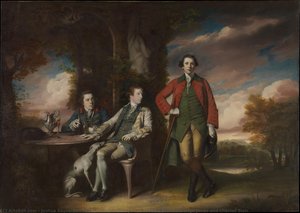
Reynolds' prolific output encompassed portraits of some of the most prominent figures of 18th-century Britain—members of the aristocracy, literary luminaries, and military heroes. His portrait of Duke of Devonshire, for example, exudes an air of aristocratic power and sophistication, while his depiction of Peter Darnell Muilman, Charles Crokatt and William Keable in a Landscape showcases his ability to integrate figures seamlessly into natural settings. Mr and Mrs William Lindow is another compelling example of his skill in capturing the intimacy and social dynamics of family life. Beyond individual portraits, Reynolds also excelled at group compositions, skillfully arranging multiple figures within a single frame to create dynamic and engaging narratives. His work wasn’t simply about technical proficiency; it was about storytelling—about conveying the essence of an era through carefully constructed images. Reynolds' impact on British art is immeasurable. He not only established portraiture as a respected genre but also helped shape the cultural identity of a nation undergoing rapid social and political change. His emphasis on the ‘Grand Style’ inspired generations of artists, while his leadership of the Royal Academy laid the groundwork for the development of a thriving artistic community. Today, his paintings continue to captivate audiences with their elegance, psychological depth, and historical significance—a testament to the enduring power of his vision and artistry. His works can be found in prestigious collections worldwide, including the Tate Britain in London and the Royal Collection at Hampton Court, ensuring that his legacy will continue to inspire and inform for centuries to come.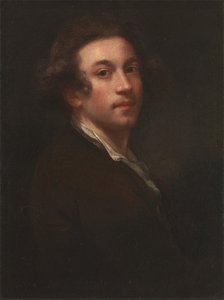
Sir Joshua Reynolds
1723 - 1792 , United Kingdom
Quick Facts
- Artistic Movement Or Style: Grand Style portraiture
- Artists Or Movements Influenced By This Artist: ['Thomas Gainsborough']
- Artists Who Influenced This Artist: ['Thomas Hudson']
- Date Of Birth: 1723
- Date Of Death: 1792
- Full Name: Sir Joshua Reynolds
- Nationality: British
- Notable Artworks:
- Peter Darnell Muilman...
- Mr and Mrs William Lindow
- Portrait of John Hayes...
- Place Of Birth: Plymouth, UK
Related Articles
Sir Joshua Reynolds' Masterpieces: 25 Portraits of Power & Refinement | ArtsDot
Explore 25 captivating portraits by Sir Joshua Reynolds, a master of British art. Discover stories behind his iconic paintings, elegant style & historical influence. Find museum-quality reproductions and elevate your home decor on ArtsDot.com.

Slate Blue Masterpieces: 10 Iconic Paintings & Timeless Home Decor Ideas
Immerse yourself in the captivating world of slate blue! Explore 10 iconic paintings by Monet, Van Gogh & Renoir. Discover their stories, techniques & find museum-quality art reproductions for your home at .
The Allure of Azure: Exploring the Symbolic & Aesthetic Depths of Blue in Art History
Explore the rich history of blue in art! Discover its symbolism, from ancient pigments to modern masterpieces by Kandinsky & Seurat. Uncover the psychological impact and cultural meanings behind this captivating hue.
Neo-Classicism's Greatest Hits: 10 Masterpieces for Your Home |
Journey through Neo-Classicism's finest! Explore 10 iconic masterpieces by David, Ingres & Canova. Discover art history, techniques & timeless beauty – perfect for inspiring your home decor. Find museum-quality reproductions at
Sir Joshua Reynolds: Shaping British Art Through Grand Style & Societal Portraiture
Explore the life & work of Sir Joshua Reynolds, a master of British portraiture and founder of the Royal Academy. Discover his 'Grand Style,' techniques, and lasting influence on art history. Learn more at ArtsDot.