

 Preview
 Send
Send Share
Share
 Details

 Download
 Similars
 X-Ray
X-Ray Diaporama
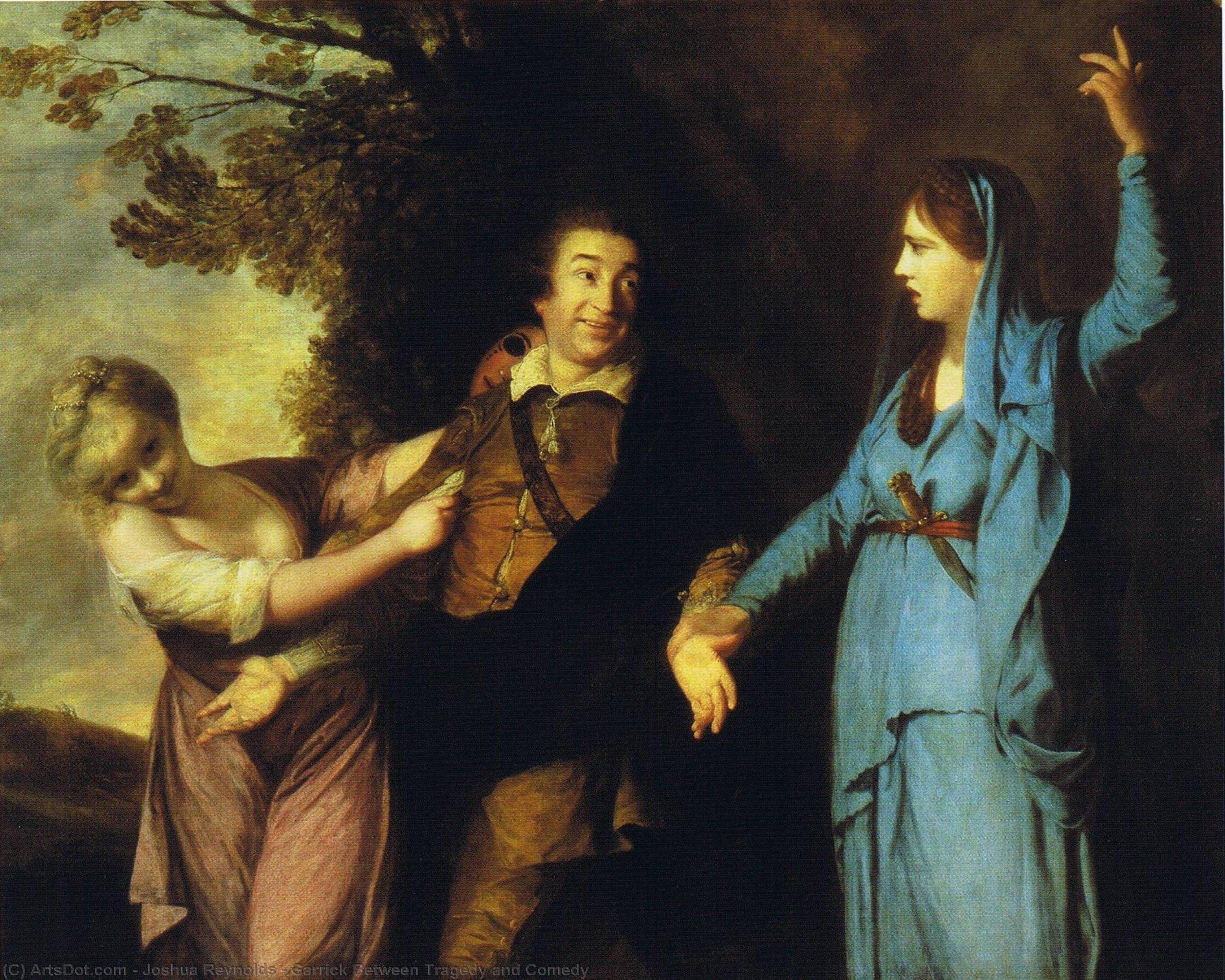
Garrick Between Tragedy and Comedy
 Acrylic On Canvas
- WallArt
- Rococo Portraiture
 1761
1761 148.0 x 183.0 cm
 Read More
Purchase a high-resolution, enhanced digital image, far superior to the online preview.
Each file is meticulously prepared by our in-house specialists using advanced tools and expert manual retouching. We ensure every image has exceptional clarity, precise color accuracy, and fine detail.
The final file is delivered via email within 72 hours, optimized for immediate use in professional, editorial, and print environments. This is the same quality trusted by top-tier design studios, publishers, and galleries.
Digital Image
Download a high-resolution file for personal display, printing, and creative projects. ( Buy Print Buy Hand Made Painting)
Included in Every Digital Image Order
Expert Digital Delivery, Guaranteed
When you choose ArtsDot.com, you're not just getting an image - you're receiving a professionally enhanced digital artwork, crafted with precision and backed by a satisfaction guarantee. Here's everything that comes with your order, automatically:

Fast Email Delivery
Your high-resolution digital image file will be emailed to you within 72 hours of ordering - ready for immediate use.

AI-Enhanced Digital File
Your artwork is professionally optimized using advanced AI tools and manual editing, ensuring maximum detail, clarity, and color accuracy.

Free Lifetime Re-Delivery
Accidentally deleted or lost your file? No worries - we'll resend it to you anytime, free of charge.

No Import Fees - Ever
Enjoy your artwork instantly with zero customs, duties, or delivery fees - digital downloads are always tax-free.

Color Accuracy Guarantee
We ensure your digital image reflects the original colors as closely as possible using professional tools and color management.

60-Day Satisfaction Guarantee
If you're not satisfied with your digital image, we'll revise it or refund 100% within 60 days - no questions asked.

100% Money-Back Guarantee
Not satisfied? Get a full refund within 60 days of receiving your digital file - no questions asked.

Bulk Order Discounts
Buy 3 images, save 10% - Buy 5, save 15% - Buy 10+, save 20%. Great for creative projects, galleries, and agencies.
Collectible Description
Sir Joshua Reynolds’s Masterful Meditation on Performance: Garrick Between Tragedy and Comedy
- Painted in 1761 during his most prolific period, Sir Joshua Reynolds's "Garrick Between Tragedy and Comedy" is more than a simple portrait; it’s a vibrant exploration of theatricality, human emotion, and the very nature of artistic representation. The painting captures David Garrick at the height of his fame, a figure synonymous with the London stage during the mid-18th century, as he stands poised between the dramatic weight of Tragedy and the playful exuberance of Comedy.
- Reynolds’s genius lies in his ability to translate the ephemeral world of performance into enduring art. He doesn't merely depict Garrick; he embodies him – a man capable of inhabiting vastly different roles with breathtaking skill. The painting functions as a clever parody of the classical myth of Hercules choosing between virtue and pleasure, subtly highlighting Garrick’s own versatility and the dual demands placed upon his talent.
A Symphony of Influences: Correggio and Reni
Reynolds's artistic vision was deeply rooted in the traditions of Italian High Renaissance painting. He drew significant inspiration from Antonio Correggio, renowned for his masterful use of color to evoke emotion and create a sense of depth, particularly evident in the luminous quality of the figures. Similarly, Guido Reni’s influence is apparent in Reynolds's meticulous attention to line and form, lending a classical restraint to the composition. This careful blending of Italian influences with contemporary tastes established Reynolds as a leading figure in the British Royal Academy, setting a new standard for portraiture. The delicate balance between Correggio’s vibrant hues and Reni’s precise lines creates a captivating visual tension within the painting.Symbolic Layers: Tragedy, Comedy, and the Natural World
- The central figures of Tragedy and Comedy are presented as distinct women – one in a flowing pink gown, embodying the passionate intensity of dramatic performance, and the other in a serene blue dress, representing the contemplative nature of tragic roles. Their presence immediately establishes the painting’s thematic core.
- Beyond these immediate representations, Reynolds incorporates subtle symbolic elements. The tree in the background serves as an anchor to the natural world, suggesting that human emotions – both joyful and sorrowful – are rooted in something deeper. The two birds, one near the center and another on the right, may allude to Garrick’s dual nature as a performer, constantly shifting between different characters and emotional states.
A Legacy of Artistic Significance
“Garrick Between Tragedy and Comedy” is widely considered one of Sir Joshua Reynolds's most important works, showcasing his unparalleled ability to capture the essence of his subjects while adhering to classical artistic principles. Executed in 1761 and now residing within the collection at Waddesdon Manor, Buckinghamshire, this painting represents a pivotal moment in British art history. Its meticulous detail, masterful composition, and profound symbolism continue to resonate with viewers today, solidifying Reynolds’s legacy as one of the greatest portrait painters of his era. The piece's enduring appeal lies not only in its technical brilliance but also in its poignant exploration of human nature and the transformative power of performance. Size: 148 x 183 cm Date: 1761 Artist: Sir Joshua Reynolds (1723-1792)Related Artworks
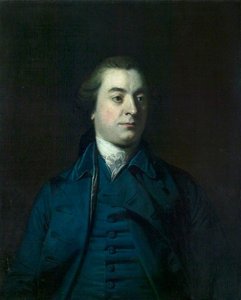
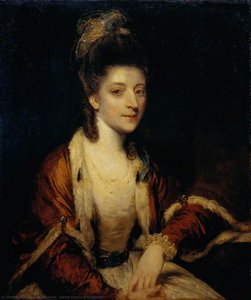
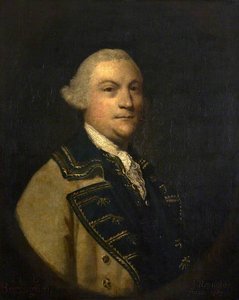
Artist Biography
A Luminary of the Enlightenment: The Life and Art of Sir Joshua Reynolds
Born in 1723 in the quaint Devonshire town of Plympton, Sir Joshua Reynolds emerged as a pivotal figure during a period of immense cultural transformation in Britain. His father, Reverend Samuel Reynolds, instilled in him a love for learning and intellectual pursuits, initially steering young Joshua towards a scholarly path. However, an undeniable artistic inclination soon surfaced, leading to his apprenticeship with Thomas Hudson in London at the age of seventeen. This formative experience provided Reynolds with a solid foundation in portraiture—a genre that would define his illustrious career. Hudson’s studio was a bustling hub of fashionable society, exposing Reynolds to the demands and expectations of aristocratic patrons, shaping not only his technique but also his understanding of the social landscape he would come to depict so masterfully. It wasn't merely about capturing likeness; it was about constructing an image that reflected status, taste, and aspiration.Forging a ‘Grand Style’ for British Portraiture
Reynolds didn’t simply replicate what he learned from Hudson. He embarked on a journey of artistic exploration, fueled by a deep admiration for the Old Masters—particularly Raphael, Michelangelo, and Titian. A pivotal moment in his development was a sojourn to Rome in 1750, where he immersed himself in classical art and absorbed the principles of the ‘Grand Style’ – an approach that prioritized idealized beauty, dramatic composition, and historical or mythological allusions. Upon returning to England, Reynolds sought to elevate British portraiture beyond mere representation, infusing it with a sense of dignity and intellectual weight previously unseen. He believed that portraits should not just record physical appearances but also reveal the sitter's character and social standing. This ambition led him to incorporate elements of history painting into his work, often depicting his subjects in elaborate costumes or staged settings reminiscent of classical narratives. He wasn’t merely painting *people*; he was crafting enduring images of power, intellect, and refinement.The First President and Champion of the Royal Academy
Reynolds' influence extended far beyond his own canvas. In 1768, he became a founding member of the Royal Academy of Arts, and crucially, its first president—a position he held until his death in 1792. This was a watershed moment for British art, establishing an institution dedicated to fostering artistic talent and promoting national identity. Reynolds tirelessly advocated for the importance of art education and championed the recognition of artists as professionals deserving of respect and patronage. His annual Discourses – lectures delivered to Academy students – became seminal texts on artistic theory and practice, outlining his vision for a distinctly British school of painting. He stressed the importance of studying nature, mastering technique, and cultivating imagination, urging artists to strive for originality while remaining grounded in tradition. Reynolds’ leadership transformed the landscape of British art, elevating its status and laying the foundation for future generations of artistic innovation.Capturing an Era: Notable Works and Enduring Legacy
Reynolds' prolific output encompassed portraits of some of the most prominent figures of 18th-century Britain—members of the aristocracy, literary luminaries, and military heroes. His portrait of Duke of Devonshire, for example, exudes an air of aristocratic power and sophistication, while his depiction of Peter Darnell Muilman, Charles Crokatt and William Keable in a Landscape showcases his ability to integrate figures seamlessly into natural settings. Mr and Mrs William Lindow is another compelling example of his skill in capturing the intimacy and social dynamics of family life. Beyond individual portraits, Reynolds also excelled at group compositions, skillfully arranging multiple figures within a single frame to create dynamic and engaging narratives. His work wasn’t simply about technical proficiency; it was about storytelling—about conveying the essence of an era through carefully constructed images. Reynolds' impact on British art is immeasurable. He not only established portraiture as a respected genre but also helped shape the cultural identity of a nation undergoing rapid social and political change. His emphasis on the ‘Grand Style’ inspired generations of artists, while his leadership of the Royal Academy laid the groundwork for the development of a thriving artistic community. Today, his paintings continue to captivate audiences with their elegance, psychological depth, and historical significance—a testament to the enduring power of his vision and artistry. His works can be found in prestigious collections worldwide, including the Tate Britain in London and the Royal Collection at Hampton Court, ensuring that his legacy will continue to inspire and inform for centuries to come.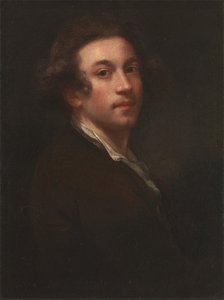
Sir Joshua Reynolds
1723 - 1792 , United Kingdom
Quick Facts
- Artistic Movement Or Style: Grand Style portraiture
- Artists Or Movements Influenced By This Artist: ['Thomas Gainsborough']
- Artists Who Influenced This Artist: ['Thomas Hudson']
- Date Of Birth: 1723
- Date Of Death: 1792
- Full Name: Sir Joshua Reynolds
- Nationality: British
- Notable Artworks:
- Peter Darnell Muilman...
- Mr and Mrs William Lindow
- Portrait of John Hayes...
- Place Of Birth: Plymouth, UK

