

 Preview
 Send
Send Share
Share
 Details

 Download
 Similars
 X-Ray
X-Ray Diaporama
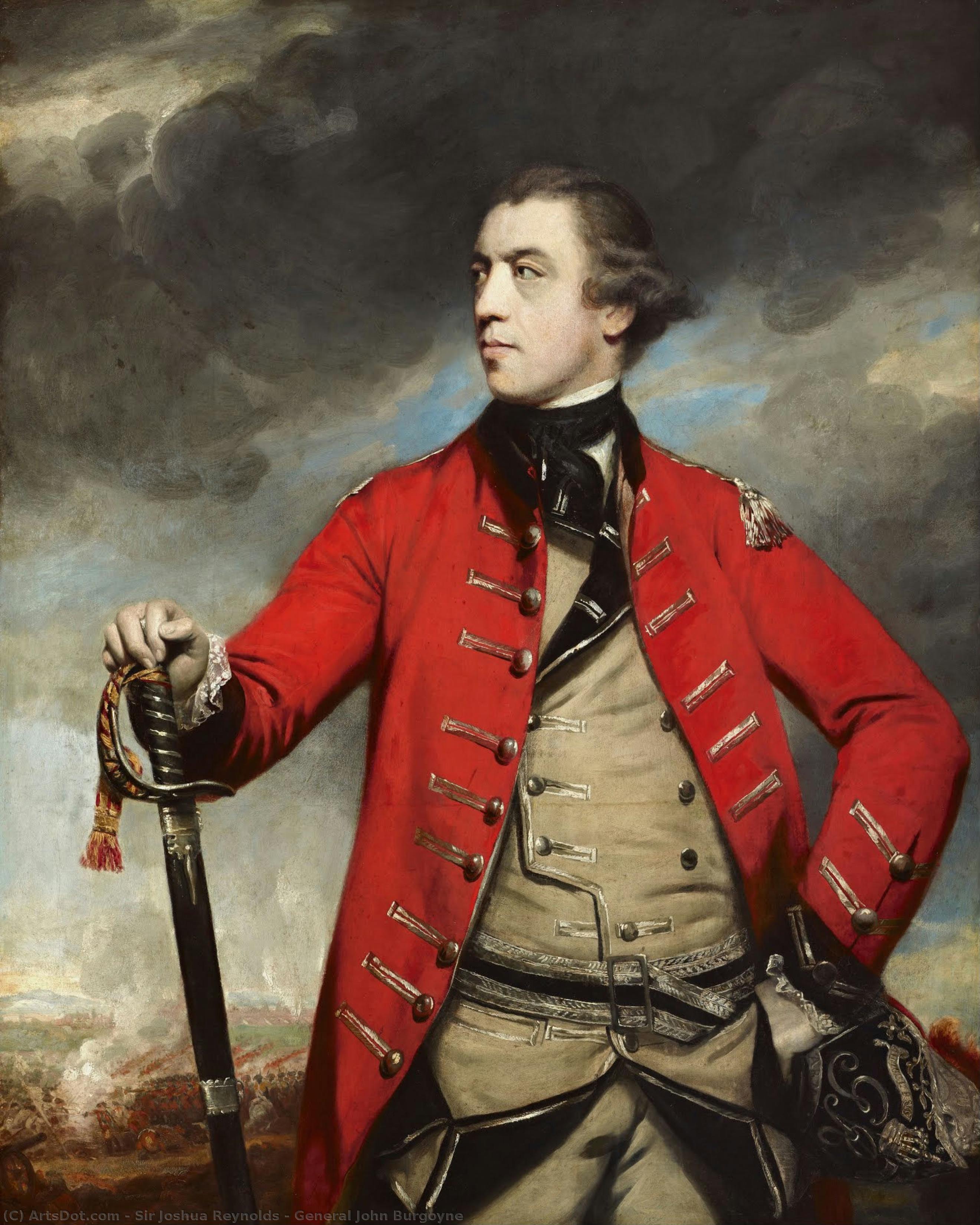
General John Burgoyne
 Oil On Canvas
- WallArt
- Neoclassicism
 1766
1766- Early Modern
 127.0 x 101.0 cm
 The Frick Collection
 Read More
Purchase a high-resolution, enhanced digital image, far superior to the online preview.
Each file is meticulously prepared by our in-house specialists using advanced tools and expert manual retouching. We ensure every image has exceptional clarity, precise color accuracy, and fine detail.
The final file is delivered via email within 72 hours, optimized for immediate use in professional, editorial, and print environments. This is the same quality trusted by top-tier design studios, publishers, and galleries.
Digital Image
Download a high-resolution file for personal display, printing, and creative projects. ( Buy Print Buy Hand Made Painting)
Included in Every Digital Image Order
Expert Digital Delivery, Guaranteed
When you choose ArtsDot.com, you're not just getting an image - you're receiving a professionally enhanced digital artwork, crafted with precision and backed by a satisfaction guarantee. Here's everything that comes with your order, automatically:

Fast Email Delivery
Your high-resolution digital image file will be emailed to you within 72 hours of ordering - ready for immediate use.

AI-Enhanced Digital File
Your artwork is professionally optimized using advanced AI tools and manual editing, ensuring maximum detail, clarity, and color accuracy.

Free Lifetime Re-Delivery
Accidentally deleted or lost your file? No worries - we'll resend it to you anytime, free of charge.

No Import Fees - Ever
Enjoy your artwork instantly with zero customs, duties, or delivery fees - digital downloads are always tax-free.

Color Accuracy Guarantee
We ensure your digital image reflects the original colors as closely as possible using professional tools and color management.

60-Day Satisfaction Guarantee
If you're not satisfied with your digital image, we'll revise it or refund 100% within 60 days - no questions asked.

100% Money-Back Guarantee
Not satisfied? Get a full refund within 60 days of receiving your digital file - no questions asked.

Bulk Order Discounts
Buy 3 images, save 10% - Buy 5, save 15% - Buy 10+, save 20%. Great for creative projects, galleries, and agencies.
Collectible Description
A Commanding Presence: The Soul of General John Burgoyne
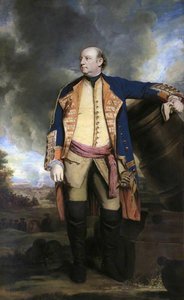
In the quiet grandeur of Sir Joshua Reynolds’ 1766 masterpiece, General John Burgoyne, one encounters more than just a formal military portrait; one meets a man etched into the very fabric of history. The canvas holds an arresting stillness, a commanding presence rendered with meticulous detail and bathed in the dramatic chiaroscuro characteristic of the burgeoning Romantic era. Reynolds, a luminary of the Enlightenment, does not merely capture a likeness here; he embodies the aspirations of an age. Through his brush, Burgoyne emerges as a figure of immense authority, his silhouette striking against a low horizon and a brooding, tempestuous sky that hints at the turbulent political and military landscapes of the late 18th century.
The portrait serves as a profound window into the social fabric of the time. Commissioned by Count La Lippe—a gesture of loyalty following their shared Portuguese campaign—the work underscores the vital role of patronage in shaping the cultural identity of Britain. As the subject stands poised, the viewer is drawn into a narrative of status and intellect. For the discerning collector or interior designer, this piece offers a sense of timelessness, bringing the weight of history and the sophisticated elegance of Neoclassical ideals into a contemporary space.
Mastery of Light and Texture
Technically, the painting is a triumph of oil on canvas, showcasing Reynolds’ ability to manipulate light to create depth and drama. The artist employs a masterful use of directional lighting, which illuminates the subject's face and the crisp details of his uniform while allowing deep, velvety shadows to define his form. This interplay of light and dark creates a three-dimensional vitality that makes the figure appear almost to step forward from the frame. Reynolds’ dedication to realism is most evident in his treatment of texture; one can almost feel the heavy, rich weight of the scarlet coat and the cold, gleaming steel of the sword at the General's side.
Beyond the physical textures, Reynolds utilizes atmospheric perspective to expand the world within the frame. The distant landscape, rendered in muted, misty tones, recedes into a soft blur, providing a sense of vastness that contrasts sharply with the sharp, linear precision of the figure in the foreground. This technique not only creates an illusion of immense depth but also reinforces the psychological weight of the subject, placing him as a central, unshakeable force amidst a shifting, uncertain world.
Symbolism and Emotional Resonance
Every element within this composition is imbued with symbolic significance, designed to communicate the character and destiny of its sitter. The vibrant red of the uniform is not merely a color choice but a symbol of rank, bravery, and the martial spirit. The sword, positioned prominently, serves as an emblem of authority and the heavy responsibility of command. Even the background—a dramatic, stormy sky punctuated by dark, swirling clouds—acts as a metaphor for the conflicts and challenges that defined Burgoyne’s life and the era of the American War of Independence.
Emotionally, the portrait strikes a delicate balance between stoicism and passion. There is a palpable sense of dignity and confidence in Burgoyne's posture, yet the turbulent atmosphere surrounding him suggests an underlying tension. For those seeking to adorn a room with art that inspires contemplation, this reproduction offers a profound emotional resonance. It is a piece that invites the eye to linger on its intricate details while prompting the mind to wander through the corridors of history, making it an exquisite choice for any collection dedicated to the beauty of classical portraiture.
Related Artworks
Artist Biography
A Luminary of the Enlightenment: The Life and Art of Sir Joshua Reynolds
Born in 1723 in the quaint Devonshire town of Plympton, Sir Joshua Reynolds emerged as a pivotal figure during a period of immense cultural transformation in Britain. His father, Reverend Samuel Reynolds, instilled in him a love for learning and intellectual pursuits, initially steering young Joshua towards a scholarly path. However, an undeniable artistic inclination soon surfaced, leading to his apprenticeship with Thomas Hudson in London at the age of seventeen. This formative experience provided Reynolds with a solid foundation in portraiture—a genre that would define his illustrious career. Hudson’s studio was a bustling hub of fashionable society, exposing Reynolds to the demands and expectations of aristocratic patrons, shaping not only his technique but also his understanding of the social landscape he would come to depict so masterfully. It wasn't merely about capturing likeness; it was about constructing an image that reflected status, taste, and aspiration.Forging a ‘Grand Style’ for British Portraiture
Reynolds didn’t simply replicate what he learned from Hudson. He embarked on a journey of artistic exploration, fueled by a deep admiration for the Old Masters—particularly Raphael, Michelangelo, and Titian. A pivotal moment in his development was a sojourn to Rome in 1750, where he immersed himself in classical art and absorbed the principles of the ‘Grand Style’ – an approach that prioritized idealized beauty, dramatic composition, and historical or mythological allusions. Upon returning to England, Reynolds sought to elevate British portraiture beyond mere representation, infusing it with a sense of dignity and intellectual weight previously unseen. He believed that portraits should not just record physical appearances but also reveal the sitter's character and social standing. This ambition led him to incorporate elements of history painting into his work, often depicting his subjects in elaborate costumes or staged settings reminiscent of classical narratives. He wasn’t merely painting *people*; he was crafting enduring images of power, intellect, and refinement.The First President and Champion of the Royal Academy
Reynolds' influence extended far beyond his own canvas. In 1768, he became a founding member of the Royal Academy of Arts, and crucially, its first president—a position he held until his death in 1792. This was a watershed moment for British art, establishing an institution dedicated to fostering artistic talent and promoting national identity. Reynolds tirelessly advocated for the importance of art education and championed the recognition of artists as professionals deserving of respect and patronage. His annual Discourses – lectures delivered to Academy students – became seminal texts on artistic theory and practice, outlining his vision for a distinctly British school of painting. He stressed the importance of studying nature, mastering technique, and cultivating imagination, urging artists to strive for originality while remaining grounded in tradition. Reynolds’ leadership transformed the landscape of British art, elevating its status and laying the foundation for future generations of artistic innovation.Capturing an Era: Notable Works and Enduring Legacy
Reynolds' prolific output encompassed portraits of some of the most prominent figures of 18th-century Britain—members of the aristocracy, literary luminaries, and military heroes. His portrait of Duke of Devonshire, for example, exudes an air of aristocratic power and sophistication, while his depiction of Peter Darnell Muilman, Charles Crokatt and William Keable in a Landscape showcases his ability to integrate figures seamlessly into natural settings. Mr and Mrs William Lindow is another compelling example of his skill in capturing the intimacy and social dynamics of family life. Beyond individual portraits, Reynolds also excelled at group compositions, skillfully arranging multiple figures within a single frame to create dynamic and engaging narratives. His work wasn’t simply about technical proficiency; it was about storytelling—about conveying the essence of an era through carefully constructed images. Reynolds' impact on British art is immeasurable. He not only established portraiture as a respected genre but also helped shape the cultural identity of a nation undergoing rapid social and political change. His emphasis on the ‘Grand Style’ inspired generations of artists, while his leadership of the Royal Academy laid the groundwork for the development of a thriving artistic community. Today, his paintings continue to captivate audiences with their elegance, psychological depth, and historical significance—a testament to the enduring power of his vision and artistry. His works can be found in prestigious collections worldwide, including the Tate Britain in London and the Royal Collection at Hampton Court, ensuring that his legacy will continue to inspire and inform for centuries to come.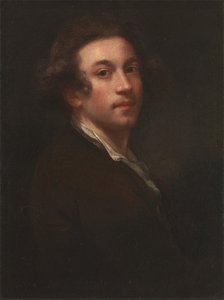
Sir Joshua Reynolds
1723 - 1792 , United Kingdom
Quick Facts
- Artistic Movement Or Style: Grand Style portraiture
- Artists Or Movements Influenced By This Artist: ['Thomas Gainsborough']
- Artists Who Influenced This Artist: ['Thomas Hudson']
- Date Of Birth: 1723
- Date Of Death: 1792
- Full Name: Sir Joshua Reynolds
- Nationality: British
- Notable Artworks:
- Peter Darnell Muilman...
- Mr and Mrs William Lindow
- Portrait of John Hayes...
- Place Of Birth: Plymouth, UK

