

 Preview
 Send
Send Share
Share
 Details

 Download
 Similars
 X-Ray
X-Ray Diaporama
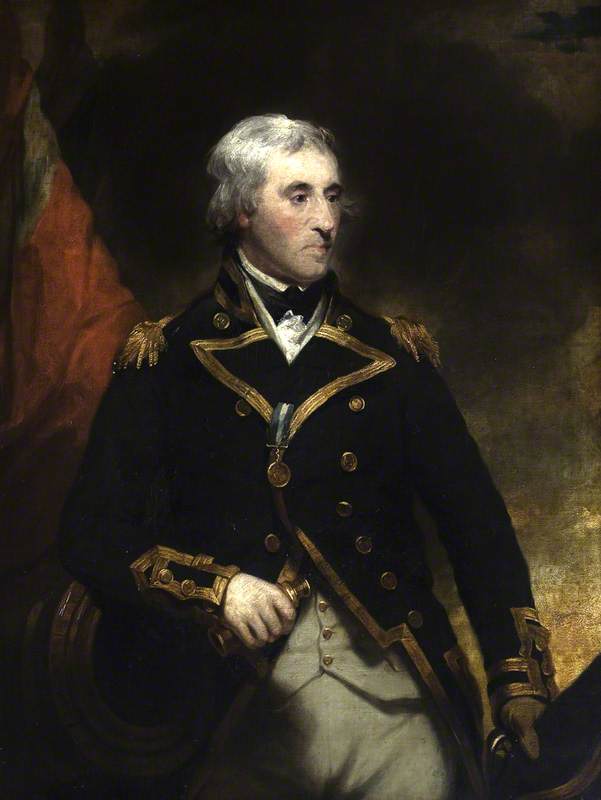
Vice Admiral Sir William George Fairfax (1739–1813)
 Acrylic On Canvas
- WallArt
- Neoclassical
 125.0 x 99.0 cm
 National Trust
 Read More
Purchase a high-resolution, enhanced digital image, far superior to the online preview.
Each file is meticulously prepared by our in-house specialists using advanced tools and expert manual retouching. We ensure every image has exceptional clarity, precise color accuracy, and fine detail.
The final file is delivered via email within 72 hours, optimized for immediate use in professional, editorial, and print environments. This is the same quality trusted by top-tier design studios, publishers, and galleries.
Digital Image
Download a high-resolution file for personal display, printing, and creative projects. ( Buy Print Buy Hand Made Painting)
Included in Every Digital Image Order
Expert Digital Delivery, Guaranteed
When you choose ArtsDot.com, you're not just getting an image - you're receiving a professionally enhanced digital artwork, crafted with precision and backed by a satisfaction guarantee. Here's everything that comes with your order, automatically:

Fast Email Delivery
Your high-resolution digital image file will be emailed to you within 72 hours of ordering - ready for immediate use.

AI-Enhanced Digital File
Your artwork is professionally optimized using advanced AI tools and manual editing, ensuring maximum detail, clarity, and color accuracy.

Free Lifetime Re-Delivery
Accidentally deleted or lost your file? No worries - we'll resend it to you anytime, free of charge.

No Import Fees - Ever
Enjoy your artwork instantly with zero customs, duties, or delivery fees - digital downloads are always tax-free.

Color Accuracy Guarantee
We ensure your digital image reflects the original colors as closely as possible using professional tools and color management.

60-Day Satisfaction Guarantee
If you're not satisfied with your digital image, we'll revise it or refund 100% within 60 days - no questions asked.

100% Money-Back Guarantee
Not satisfied? Get a full refund within 60 days of receiving your digital file - no questions asked.

Bulk Order Discounts
Buy 3 images, save 10% - Buy 5, save 15% - Buy 10+, save 20%. Great for creative projects, galleries, and agencies.
A Portrait of Command: Martin Archer Shee’s Vice Admiral Sir William George Fairfax
Martin Archer Shee's 1798 portrait of Vice Admiral Sir William George Fairfax is more than just a likeness; it’s a meticulously crafted tableau of naval authority, aristocratic bearing, and the quiet dignity of a man who navigated both the political currents of his time and the vast expanse of the Atlantic. The painting resides within the walls of Charlecote Park, a National Trust property in Warwickshire, offering a rare glimpse into the life and career of a significant figure in British naval history – a man whose strategic acumen played a crucial role during the tumultuous years of the late 18th century.
Shee’s neoclassical style is immediately apparent. The composition adheres to strict classical principles: Fairfax stands with a measured composure, his posture conveying both strength and restraint. His gaze, directed slightly off-center, suggests a thoughtful awareness of his surroundings – a subtle hint of the strategic mind at work. The artist masterfully employs chiaroscuro, utilizing dramatic contrasts between light and shadow to sculpt Fairfax’s form and imbue the scene with an air of gravitas. The rich, dark tones of his uniform and the carefully rendered folds of his coat emphasize his rank and status, while strategically placed highlights draw attention to key features – the resolute set of his jaw, the piercing intelligence in his eyes.
The Man Behind the Rank: Contextualizing Fairfax’s Life
Understanding the historical context surrounding Sir William George Fairfax is essential to appreciating Shee's portrait. Fairfax was a prominent naval officer during a period of intense geopolitical rivalry between Britain and France. His service on HMS Venerable, under Admiral Adam Duncan at the Battle of Camperdown in 1797 – a decisive victory for the British – cemented his reputation as a skilled and courageous commander. This battle, one of the most significant engagements of the French Revolutionary Wars, shaped Fairfax’s career and ultimately led to his knighthood. The painting captures him not merely as a soldier, but as a symbol of Britain's naval power and resilience during this critical era.
Beyond his military achievements, Fairfax was also a man of considerable landed wealth and social standing. He was the progenitor of the Fairfax Baronets, inheriting a substantial estate in Bagshot, Surrey. This aristocratic background is subtly reflected in the painting’s opulent details – the rich fabrics, the intricate embroidery, and the carefully chosen accessories all speak to his privileged position within British society.
Symbolism and Artistic Devices
The composition itself is laden with symbolic meaning. Fairfax's stance, with one hand resting on a cannon and the other holding a telescope, speaks directly to his role as a commander at sea – a man who both directs and observes. The landscape behind him, though somewhat generalized, suggests the vastness of the ocean and the challenges inherent in naval warfare. The inclusion of a standard—a symbol of authority and allegiance—reinforces his position as a leader within the Royal Navy.
Furthermore, Shee’s use of color is deliberate. The predominantly dark palette – dominated by deep blues, browns, and blacks – evokes a sense of seriousness and solemnity, reflecting the gravity of Fairfax's profession and the weighty responsibilities he carried. The subtle hints of gold in his uniform and accessories add a touch of regal splendor, underscoring his aristocratic status.
A Legacy Preserved: Shee’s Artistic Contribution
Sir Martin Archer Shee was a pivotal figure in 19th-century British art, not only as a portrait painter but also as an administrator who shaped the Royal Academy. His ability to capture both the outward appearance and inner character of his subjects is evident in this compelling depiction of Vice Admiral Fairfax. The painting stands as a testament to Shee’s artistic skill, his understanding of historical context, and his talent for conveying the dignity and authority of a man who played a significant role in shaping British naval history. Today, it remains a treasured possession within the National Trust collection, offering viewers a captivating glimpse into a bygone era.
Related Artworks

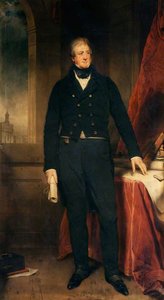
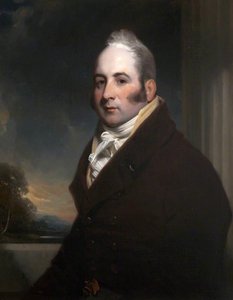
Artist Biography
A Dubliner’s Ascent: The Life and Art of Sir Martin Archer Shee
Born in the vibrant city of Dublin on December 23rd, 1769, Sir Martin Archer Shee emerged as a pivotal figure in 19th-century British art. His journey was not simply that of a talented portraitist, but also of an administrator dedicated to shaping the artistic landscape of his time. Initially met with familial disapproval – his merchant father deemed painting an unsuitable profession for a man of their standing – young Martin’s passion proved unyielding. He began his studies at the Royal Dublin Society, laying the foundation for a career that would ultimately lead him to the heart of London's art world and the presidency of the Royal Academy. A crucial introduction by Edmund Burke in 1788 to Joshua Reynolds opened doors to the Royal Academy Schools, marking a turning point in Shee’s artistic development. Early works like “Head of an Old Man” and “Portrait of a Gentleman,” exhibited in 1789, signaled the arrival of a promising new talent, one poised to capture the essence of his era through brush and canvas.The Brush and the Bureau: A Dual Path to Prominence
Shee’s career blossomed steadily throughout the late 18th and early 19th centuries. He quickly established himself as a sought-after portraitist, skillfully capturing the likenesses of prominent figures with an elegance and sensitivity that resonated deeply with his clientele. In 1798 he was elected an associate of the Royal Academy, a testament to his growing reputation, followed by full membership just two years later in 1800 – a remarkable ascent for an artist of his age. However, Shee’s ambitions extended beyond the purely artistic realm. He possessed a keen interest in the administration of the art world, believing that artists had a responsibility not only to create but also to shape the future of their discipline. This dedication culminated in his election as President of the Royal Academy in 1830, succeeding Sir Thomas Lawrence. For over two decades, he served as a powerful advocate for artists and a staunch defender of academic standards, guiding the institution through a period of significant change and ensuring its continued vitality. His presidency was characterized by stability and a commitment to fostering artistic excellence within Britain.A Neoclassical Vision: Style and Subject Matter
While celebrated primarily as a portraitist, Shee’s *oeuvre* extended beyond capturing individual likenesses. He ventured into historical and literary subjects, demonstrating versatility and intellectual depth. Among his most renowned works are “Belisarius” (1826), a powerful depiction of the exiled Roman general that speaks to themes of injustice and resilience; portraits of Queen Victoria and King George IV – testaments to his status as a royal painter; and paintings inspired by classical literature, revealing a deep engagement with the intellectual currents of his time. His style is characterized by a refined neoclassical sensibility, influenced by Reynolds and other masters of the era. Shee’s portraits are notable for their meticulous detail, subtle modeling, and psychological insight. He possessed an ability to convey not just physical resemblance but also something of the sitter's character and inner life. His paintings weren’t merely representations; they were interpretations, imbued with a sense of dignity and grace.Legacy and Lasting Influence
Sir Martin Archer Shee passed away on August 13th, 1850, in Brighton, leaving behind a legacy as both an accomplished artist and a dedicated administrator. He was buried in the western extension of St Nicholas’ Churchyard, though his headstone has since been moved to the perimeter of the site. His personal life was marked by a happy marriage to Mary Power, with whom he had six children – three sons who became successful barristers and three daughters. Interestingly, his descendant George Archer-Shee inspired Terence Rattigan's poignant play, “The Winslow Boy,” adding another layer to the family’s historical significance. Shee’s influence extended beyond his direct artistic output; as President of the Royal Academy, he played a crucial role in shaping the direction of British art during a period of significant change. He championed academic training while also acknowledging the importance of innovation and experimentation. His commitment to both tradition and progress helped to ensure the continued vitality of the British art scene. Today, his works are held in prestigious collections such as the Royal Academy of Arts, offering enduring glimpses into a bygone era and celebrating the talent of a remarkable artist who dedicated his life to the pursuit of beauty and the advancement of art.Further Exploration
- Explore more works by Sir Martin Archer Shee at: https://ArtsDot.com/@/sir-martin-archer-shee
- Discover the Royal Academy of Arts collection at: /en/art/show/art-d3cf6h-en/
- Learn more about Shee’s life and works on Wikipedia: https://en.wikipedia.org/wiki/martin_archer_shee
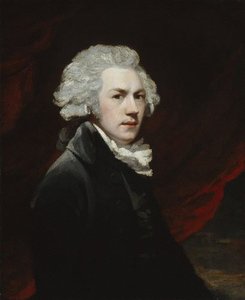
Sir Martin Archer Shee
1769 - 1850 , Ireland
Quick Facts
- Artistic Movement Or Style: Neoclassical
- Artists Who Influenced This Artist: ['Joshua Reynolds']
- Date Of Birth: 1769
- Date Of Death: 1850
- Full Name: Sir Martin Archer Shee
- Nationality: Irish
- Notable Artworks:
- Belisarius
- Mr. Storer
- Prospero and Miranda
- Place Of Birth: Dublin, Ireland

