

 Preview
 Send
Send Share
Share
 Details

 Download
 Similars
 X-Ray
X-Ray Diaporama
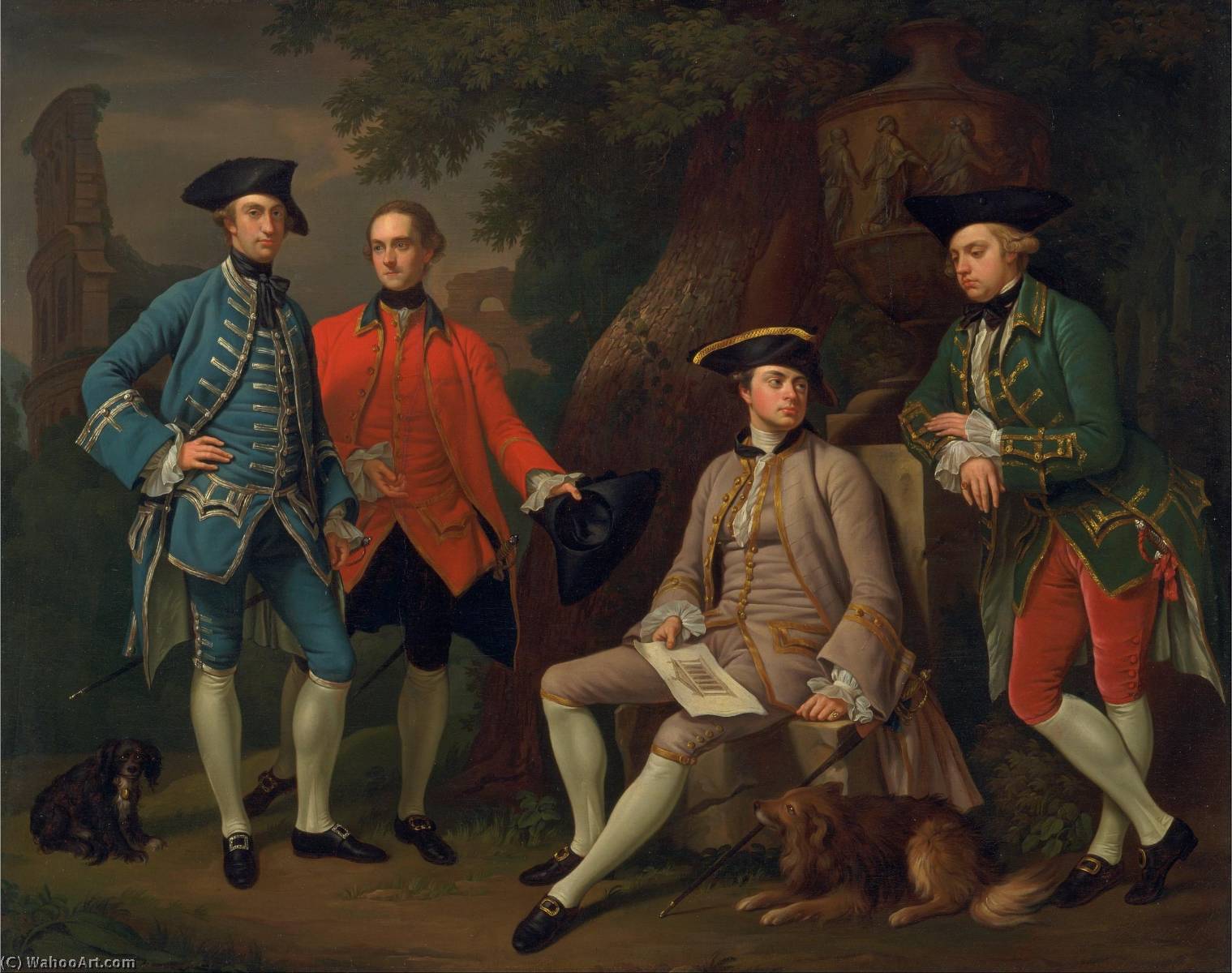
James Grant of Grant, John Mytton, the Hon. Thomas Robinson, and Thomas Wynne


 Read More
Purchase a high-resolution, enhanced digital image, far superior to the online preview.
Each file is meticulously prepared by our in-house specialists using advanced tools and expert manual retouching. We ensure every image has exceptional clarity, precise color accuracy, and fine detail.
The final file is delivered via email within 72 hours, optimized for immediate use in professional, editorial, and print environments. This is the same quality trusted by top-tier design studios, publishers, and galleries.
Digital Image
Download a high-resolution file for personal display, printing, and creative projects. ( Buy Print Buy Hand Made Painting)
Included in Every Digital Image Order
Expert Digital Delivery, Guaranteed
When you choose ArtsDot.com, you're not just getting an image - you're receiving a professionally enhanced digital artwork, crafted with precision and backed by a satisfaction guarantee. Here's everything that comes with your order, automatically:

Fast Email Delivery
Your high-resolution digital image file will be emailed to you within 72 hours of ordering - ready for immediate use.

AI-Enhanced Digital File
Your artwork is professionally optimized using advanced AI tools and manual editing, ensuring maximum detail, clarity, and color accuracy.

Free Lifetime Re-Delivery
Accidentally deleted or lost your file? No worries - we'll resend it to you anytime, free of charge.

No Import Fees - Ever
Enjoy your artwork instantly with zero customs, duties, or delivery fees - digital downloads are always tax-free.

Color Accuracy Guarantee
We ensure your digital image reflects the original colors as closely as possible using professional tools and color management.

60-Day Satisfaction Guarantee
If you're not satisfied with your digital image, we'll revise it or refund 100% within 60 days - no questions asked.

100% Money-Back Guarantee
Not satisfied? Get a full refund within 60 days of receiving your digital file - no questions asked.

Bulk Order Discounts
Buy 3 images, save 10% - Buy 5, save 15% - Buy 10+, save 20%. Great for creative projects, galleries, and agencies.
A Portrait of Georgian Grandeur and Camaraderie
This captivating portrait, dating from the vibrant year of 1760, transports the viewer directly into the sophisticated drawing rooms and sunlit gardens of eighteenth-century London. It is a masterful gathering of four distinguished gentlemen—James Grant of Grant, John Mytton, the Hon. Thomas Robinson, and Thomas Wynne—whose presence speaks volumes about the era's elite social circles. The composition itself is a study in structured elegance; three figures stand with confident poise while one rests gracefully, creating a dynamic yet harmonious arrangement across the canvas. Their attire, rich with the fashions of the time, from meticulously tailored coats to fashionable hats and visible cravats, immediately anchors us within the opulent world of Georgian society.
The Artistry of Sir Nathaniel Dance Holland
The hand that captured this likeness belongs to Sir Nathaniel Dance Holland. His career, spanning the late eighteenth and early nineteenth centuries, reveals an artist deeply attuned to both portraiture and the societal structures surrounding his sitters. Holland’s technique here is characterized by a remarkable blend of formal precision and lived warmth. Observe the brushwork: it possesses enough definition to render the texture of fine wool or silk, yet it retains a softness that prevents the scene from feeling stiff. The inclusion of natural elements—the stately tree anchoring the background and the gentle presence of a dog near one gentleman—serves not merely as decoration, but as an extension of the men's cultivated lives, suggesting leisure alongside their status.
Symbolism in Still Life and Companionship
Beyond the immediate recognition of the subjects, the painting is rich with subtle symbolism that invites deeper contemplation. The book placed near one figure suggests a shared intellectual pursuit—a nod to literature, philosophy, or scholarly endeavor that underpinned much of the era's gentlemanly culture. Furthermore, the inclusion of the dog acts as a traditional emblem of loyalty and fidelity, binding the group together in an unspoken pact of friendship. These carefully curated details elevate the portrait from a mere record of faces into a narrative tapestry celebrating wit, wealth, and enduring male companionship.
An Echo of Sophistication for Modern Spaces
For the discerning collector or interior designer, this reproduction offers more than just artwork; it offers an atmosphere. To bring such a piece into a modern setting is to infuse a space with historical gravitas and undeniable sophistication. The balanced composition, the rich palette, and the palpable sense of camaraderie make it a stunning focal point for a library, a formal reception room, or any area meant to evoke cultured contemplation. Owning this work allows one to partake in the enduring allure of Georgian refinement, making it a timeless statement piece that whispers tales of bygone grandeur.
Related Artworks




Artist Biography
A Life Bridging Canvas and Command: Sir Nathaniel Dance Holland
Sir Nathaniel Dance Holland, born in London on May 8th, 1735, was a figure whose life embodied the multifaceted spirit of eighteenth-century Britain. He navigated a path that seamlessly blended artistic pursuit with dedicated public service, ultimately becoming a respected painter, a Member of Parliament, and a baronet. His story is one of inherited talent, strategic ambition, and a remarkable ability to adapt to changing times. Dance’s early life was significantly shaped by familial circumstances; the abandonment of his father, James Dance, for a career in theatre and playwriting led to his upbringing under the watchful eye of his paternal grandfather, George Dance the Elder – a prominent architect responsible for much of the City of London's civic design. This grounding in architectural principles would subtly inform Dance’s artistic sensibility, imbuing his compositions with a sense of order and structural integrity. He received his initial artistic training under Francis Hayman, a leading figure in the rococo style, before embarking on an extended period of study in Italy, where he encountered the works of masters like Pompeo Batoni and formed a connection with Angelica Kauffmann – a relationship that hinted at both personal and professional inspiration.From Brush to Parliament: A Dual Calling
Upon his return to England, Dance quickly established himself as a sought-after portraitist. His talent for capturing the likenesses of prominent figures earned him commissions from royalty, nobility, and celebrated individuals alike. He painted King George III and Queen Charlotte, immortalizing them on canvas with regal dignity. Perhaps one of his most enduring works is the portrait of Captain James Cook, a depiction that captures not only the explorer’s physical presence but also a sense of resolute determination and intellectual curiosity. Dance's artistic prowess was formally recognized in 1768 when he became a founding member of the Royal Academy, solidifying his position within the established art world. However, despite achieving success as an artist, Dance harbored ambitions beyond the realm of painting. In 1790, at the height of his artistic career, he made a surprising transition into politics, successfully contesting the parliamentary seat for East Grinstead in Sussex. This decision marked a turning point in his life, signaling a shift from the aesthetic to the pragmatic – a move that would ultimately define the latter half of his years.Naval Echoes and Artistic Influences
While Dance’s artistic style initially leaned towards the prevailing rococo trends, his work also reveals subtle influences from other sources. The precision and clarity of his compositions suggest an awareness of Dutch Golden Age painting, particularly in his attention to detail and mastery of light. This influence is perhaps not surprising given Britain's strong trade links with the Netherlands during this period and the widespread appreciation for Dutch artistic achievements. Furthermore, Dance’s family history had a significant connection to maritime endeavors; his nephew, Sir Nathaniel Dance (1748-1827), achieved renown as a commander in the East India Company’s naval service, famously distinguishing himself at the Battle of Pulo Aura in 1804. This familial association with the sea likely permeated Dance's artistic consciousness, subtly informing his depictions of naval officers and maritime scenes. His portraits often convey a sense of quiet authority and understated heroism – qualities that resonate with the spirit of British seafaring tradition.Legacy and Remembrance
Dance continued to serve as a Member of Parliament for several constituencies—Great Bedwyn in Wiltshire, and again for East Grinstead—until his death on October 15th, 1811. He was elevated to the baronetcy in 1800, a recognition of his contributions to both art and public life. Though he gradually relinquished his artistic practice after entering Parliament, Dance’s legacy as a painter endures through the surviving examples of his work. His portraits offer valuable insights into the social and political landscape of eighteenth-century Britain, capturing the personalities and aspirations of a generation. Today, his paintings can be found in prominent collections around the world, including the National Maritime Museum in London and the National Gallery of Victoria in Melbourne. The Pybus Family, painted in 1769, remains a particularly celebrated example of his artistic skill, showcasing his ability to create compelling group portraits that reveal both individual character and familial dynamics. Sir Nathaniel Dance Holland’s life serves as a testament to the possibilities of a multifaceted existence—a journey that seamlessly integrated artistic expression with dedicated public service, leaving an indelible mark on British history and culture.Further Exploration
- Art UK: Explore more about Nathaniel Dance-Holland’s life and works: https://artuk.org/discover/artists/dance-holland-nathaniel-17351811
- Wikipedia: A detailed biographical overview: https://en.wikipedia.org/wiki/Nathaniel_Dance-Holland
- Royal Academy of Arts: Discover Dance’s connection to the Royal Academy: https://www.royalacademy.org.uk/art-artists/name/nathaniel-dance-ra
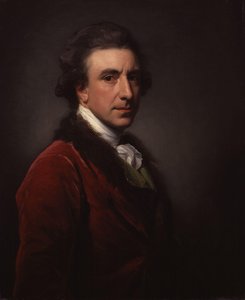
Sir Nathaniel Dance Holland
1735 - 1811 , United Kingdom
Quick Facts
- Artistic Movement Or Style: Portraiture
- Artists Who Influenced This Artist:
- Francis Hayman
- Pompeo Batoni
- Date Of Birth: May 8, 1735
- Date Of Death: Oct 15, 1811
- Full Name: Sir Nathaniel Dance Holland
- Nationality: British
- Notable Artworks:
- Captain James Cook
- Miss Hargreaves
- Thomas Nuthall with a Dog
- Place Of Birth: London, UK

