

 Preview
 Send
Send Share
Share
 Details

 Download
 Similars
 X-Ray
X-Ray Diaporama
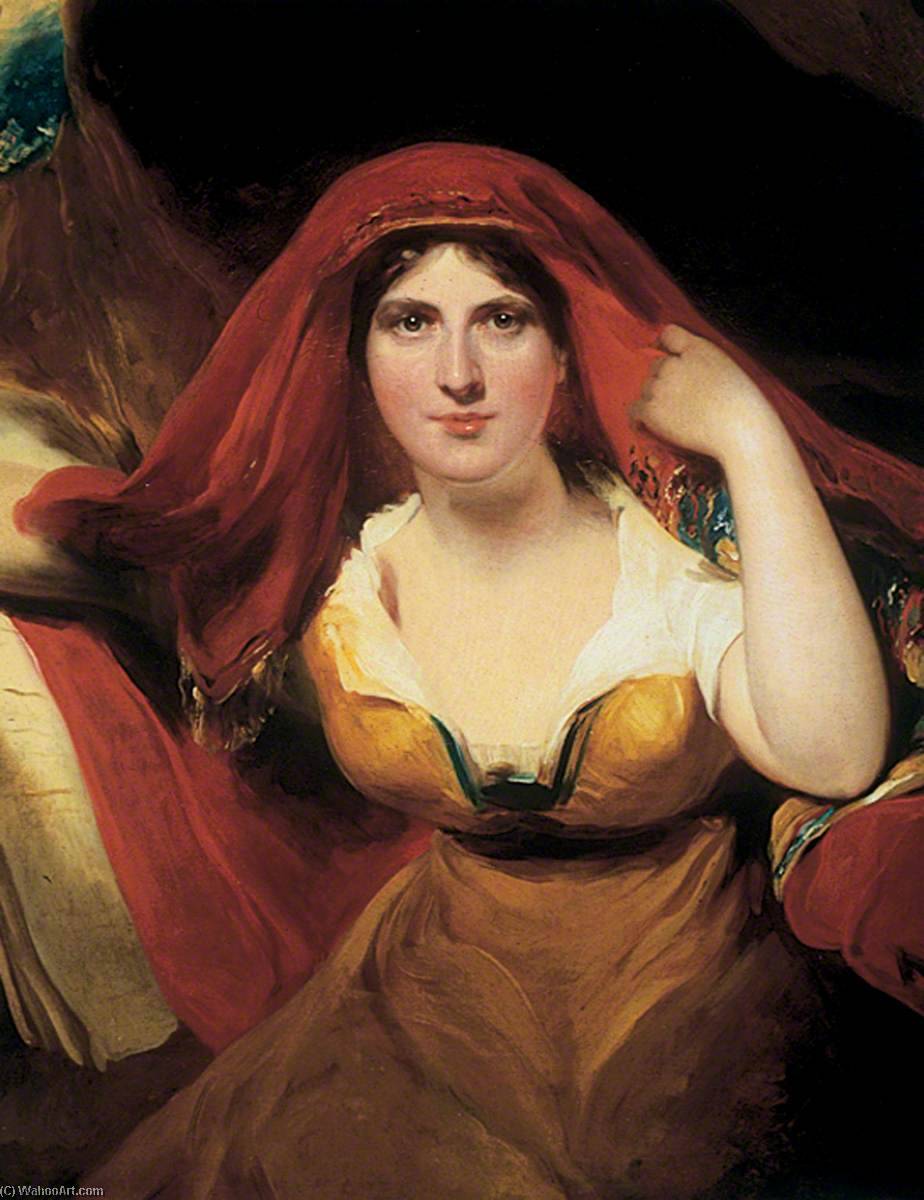
Lady William Gordon (1761–1841), née Frances Ingram
 Oil On Canvas
- WallArt
- Regency Portraiture
 92.0 x 71.0 cm
 Temple Newsam House
 Read More
Purchase a high-resolution, enhanced digital image, far superior to the online preview.
Each file is meticulously prepared by our in-house specialists using advanced tools and expert manual retouching. We ensure every image has exceptional clarity, precise color accuracy, and fine detail.
The final file is delivered via email within 72 hours, optimized for immediate use in professional, editorial, and print environments. This is the same quality trusted by top-tier design studios, publishers, and galleries.
Digital Image
Download a high-resolution file for personal display, printing, and creative projects. ( Buy Print Buy Hand Made Painting)
Included in Every Digital Image Order
Expert Digital Delivery, Guaranteed
When you choose ArtsDot.com, you're not just getting an image - you're receiving a professionally enhanced digital artwork, crafted with precision and backed by a satisfaction guarantee. Here's everything that comes with your order, automatically:

Fast Email Delivery
Your high-resolution digital image file will be emailed to you within 72 hours of ordering - ready for immediate use.

AI-Enhanced Digital File
Your artwork is professionally optimized using advanced AI tools and manual editing, ensuring maximum detail, clarity, and color accuracy.

Free Lifetime Re-Delivery
Accidentally deleted or lost your file? No worries - we'll resend it to you anytime, free of charge.

No Import Fees - Ever
Enjoy your artwork instantly with zero customs, duties, or delivery fees - digital downloads are always tax-free.

Color Accuracy Guarantee
We ensure your digital image reflects the original colors as closely as possible using professional tools and color management.

60-Day Satisfaction Guarantee
If you're not satisfied with your digital image, we'll revise it or refund 100% within 60 days - no questions asked.

100% Money-Back Guarantee
Not satisfied? Get a full refund within 60 days of receiving your digital file - no questions asked.

Bulk Order Discounts
Buy 3 images, save 10% - Buy 5, save 15% - Buy 10+, save 20%. Great for creative projects, galleries, and agencies.
Collectible Description
A Regency Portrait of Grace and Dignity: Lady William Gordon by Sir Thomas Lawrence
Sir Thomas Lawrence’s “Lady William Gordon” (1769–1841), née Frances Ingram, is more than just a portrait; it's a meticulously crafted window into the social fabric of Regency England. Painted circa 1806, this captivating work captures the essence of a woman navigating both societal expectations and personal complexities within a world defined by elegance and restraint. The painting immediately draws the eye to Lady William’s figure, presented in a three-quarter pose against a subtly textured, dark background – a deliberate choice that elevates her presence and directs the viewer's focus entirely upon her.
Lawrence, a master of his craft, employs his signature technique of loose, expressive brushstrokes layered over a smooth foundation. The delicate rendering of her silk gown—a cascade of pale blues and greens—is particularly noteworthy, showcasing his ability to capture both the luxurious texture and the play of light upon fabric. His use of chiaroscuro – the dramatic contrast between light and shadow – sculpts her face, highlighting her features with a subtle grace that speaks volumes about her character. The red veil or headscarf she wears adds an element of mystery and intrigue, hinting at a reserved nature beneath a composed exterior.
A Woman of Her Time: Context within Regency Society
Understanding the portrait requires acknowledging the social context in which it was created. Lady William Gordon’s life was one of considerable privilege, born into the Ingram family and later marrying Lord William Gordon, a prominent figure in Scottish aristocracy. The painting reflects the importance placed on lineage, status, and refined manners during the Regency period. Portraits were not merely decorative; they served as vital documents of identity, wealth, and social standing – essentially visual business cards for families like the Gordons.
Furthermore, the portrait’s creation coincided with a period of significant artistic innovation. Lawrence was at the height of his career, experimenting with new techniques and challenging traditional conventions. His portraits were commissioned by a diverse clientele, including royalty, nobility, and wealthy merchants, reflecting the burgeoning commercialism of the era while simultaneously upholding the values of aristocratic society. The inclusion of two figures in the background – likely family members or attendants – subtly reinforces this social hierarchy.
Symbolism and Emotional Resonance
Beyond its surface beauty, “Lady William Gordon” is rich with symbolic meaning. Her downward gaze suggests a contemplative mood, perhaps reflecting on her role as a wife and mother within a society that often confined women to domestic spheres. The red veil, traditionally associated with mourning or modesty, could also symbolize the constraints placed upon her by societal expectations. However, there’s an undeniable strength and dignity in her posture – a quiet resilience conveyed through the directness of her gaze.
Lawrence masterfully captures not just a likeness but also a sense of inner life. The subtle nuances of expression—a hint of melancholy perhaps, or a trace of determination—invite viewers to project their own interpretations onto the portrait. It’s this ability to evoke emotion and stimulate contemplation that elevates “Lady William Gordon” beyond a simple depiction of a woman into a timeless representation of human experience.
A Timeless Masterpiece: Reproduction and Appreciation
Today, reproductions of “Lady William Gordon” continue to captivate audiences with their exquisite detail and emotional depth. The painting’s enduring appeal lies in its ability to transport us back to the elegance and sophistication of Regency England while simultaneously offering a poignant glimpse into the lives of women during that era. A hand-painted reproduction offers an unparalleled opportunity to experience the artistry and craftsmanship of Sir Thomas Lawrence, bringing this remarkable portrait into any home or office with grace and distinction.
Whether you’re an art enthusiast, a collector seeking a statement piece, or simply someone drawn to timeless beauty, “Lady William Gordon” remains a testament to the power of portraiture – a window into the past and a celebration of human character.
Related Artworks
Artist Biography
A Brushstroke of Regency Splendor: The Life and Art of Sir Thomas Lawrence
Born amidst the bustling port city of Bristol in 1769, Sir Thomas Lawrence emerged as a prodigious talent, a child prodigy whose artistic gifts blossomed with astonishing speed. His early years were marked by a nomadic existence, following his father’s ventures as an innkeeper through Devizes and finally to Bath. It was within the convivial atmosphere of these inns that young Lawrence first captivated audiences, not merely reciting poetry but also sketching remarkably accurate portraits – a skill honed without formal instruction, fueled instead by innate ability and keen observation. Even then, it was clear this was no mere youthful pastime; he was supporting his family with his pastel portraits while still in Bath, demonstrating an entrepreneurial spirit alongside his artistic flair. This early independence fostered a self-reliance that would characterize his entire career, even as he navigated the complex world of aristocratic patronage.Ascension to Portraiture’s Pinnacle
The move to London at the tender age of eighteen marked Lawrence's true ascent. He quickly established himself as a portrait painter in oils, securing his first royal commission – a portrait of Queen Charlotte in 1789 – and catapulting him into the heart of London society. This was not simply about technical skill; Lawrence possessed an uncanny ability to capture not just likeness but also *character*, imbuing his subjects with a flattering yet insightful presence. He became a master of capturing the glamour and sophistication of the Regency era, painting nobility, royalty, and prominent figures with a virtuoso handling of paint that drew comparisons to Sir Joshua Reynolds, whom he greatly admired. Lawrence’s election as an associate, then full member, of the Royal Academy in 1791 and 1794 respectively solidified his position within the established art world. He succeeded Reynolds as Painter-in-Ordinary to the King in 1792, a role that further cemented his status and provided access to the highest echelons of power. His style, while evolving subtly over time, remained consistently elegant and refined, prioritizing graceful poses, rich colors, and meticulous attention to detail.Patronage, Prestige, and the Waterloo Chamber
The patronage of the Prince Regent (later King George IV) proved pivotal in Lawrence’s career. This relationship led to one of his most ambitious undertakings: the commission to paint portraits of allied leaders for the Waterloo Chamber at Windsor Castle. These monumental works, intended to commemorate the defeat of Napoleon, showcased not only Lawrence's technical prowess but also his ability to handle large-scale compositions and capture the gravitas of international figures. The project brought him widespread acclaim and further enhanced his reputation across Europe. In 1815, he was knighted, a testament to his artistic achievements and service to the Crown. He later became President of the Royal Academy in 1820, a position he held until his death. His involvement extended beyond painting; Lawrence played a crucial role in founding the National Gallery and securing the Elgin Marbles for Britain, demonstrating a commitment to preserving and promoting British art and culture.A Legacy Tempered by Complexity
Despite his success, Lawrence’s life was not without its complexities. He struggled with financial difficulties throughout much of his career, often burdened by debt despite earning substantial sums from his commissions. His personal life was marked by tumultuous relationships, most notably with Sally and Maria Siddons, daughters of the celebrated actress Sarah Siddons. These connections, while providing inspiration, also brought heartache and scandal. Furthermore, Lawrence’s sitters reflected the social landscape of his time – including both slave owners and abolitionists – a stark reminder of the moral ambiguities inherent in Regency society. His reputation waned somewhat during the Victorian era, as tastes shifted towards more morally didactic art, but has since been partially restored, recognizing him as a master of portraiture and a key figure in British artistic history. His work remains celebrated for its elegance, technical brilliance, and ability to capture the essence of his subjects, offering a captivating glimpse into the world of Regency England.Influences and Enduring Impact
Lawrence’s artistic development was profoundly influenced by Sir Joshua Reynolds, whose emphasis on capturing character and employing a fluid brushstroke resonated deeply with the young artist. He also diligently studied Old Master drawings, particularly those by Michelangelo and Raphael, absorbing their anatomical precision and compositional skills. While rooted in tradition, Lawrence's work also reflected the emerging Romantic sensibilities of his time, embracing glamour and emotional intensity. His influence can be seen in the works of later portrait painters who sought to emulate his style and capture the spirit of an era. Though he faced personal struggles and a decline in popularity during the Victorian period, Sir Thomas Lawrence’s legacy endures as one of Britain's most accomplished and captivating portraitists, a testament to his talent, charm, and enduring contribution to the world of art.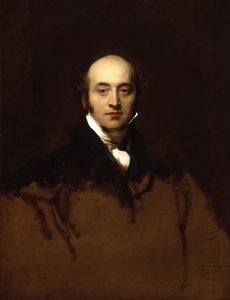
Sir Thomas Lawrence
1769 - 1830 , United Kingdom
Quick Facts
- Artistic Movement Or Style: Regency portraiture
- Artists Or Movements Influenced By This Artist: ['Romanticism']
- Artists Who Influenced This Artist: ['Sir Joshua Reynolds']
- Date Of Birth: April 13, 1769
- Date Of Death: January 7, 1830
- Full Name: Sir Thomas Lawrence
- Nationality: British
- Notable Artworks:
- Queen Charlotte
- Waterloo Chamber portraits
- Self-portrait
- Place Of Birth: Bristol, UK

