

 Preview
 Send
Send Share
Share
 Details

 Download
 Similars
 X-Ray
X-Ray Diaporama
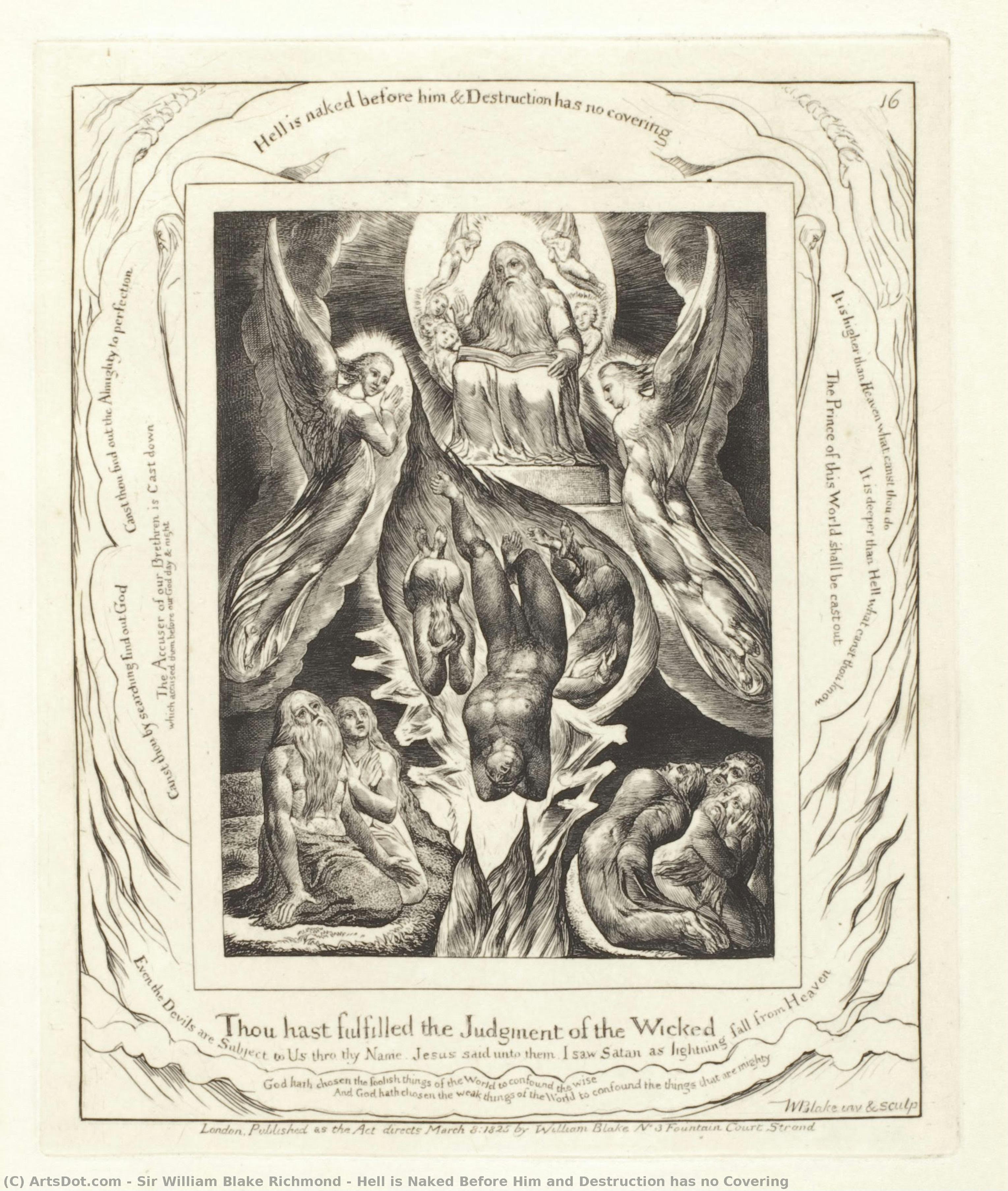
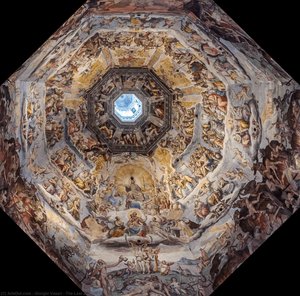
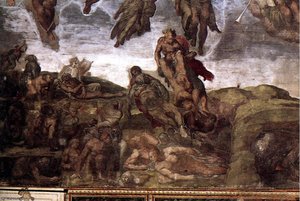
Hell is Naked Before Him and Destruction has no Covering


 Read More
Purchase a high-resolution, enhanced digital image, far superior to the online preview.
Each file is meticulously prepared by our in-house specialists using advanced tools and expert manual retouching. We ensure every image has exceptional clarity, precise color accuracy, and fine detail.
The final file is delivered via email within 72 hours, optimized for immediate use in professional, editorial, and print environments. This is the same quality trusted by top-tier design studios, publishers, and galleries.
Digital Image
Download a high-resolution file for personal display, printing, and creative projects. ( Buy Print Buy Hand Made Painting)
Included in Every Digital Image Order
Expert Digital Delivery, Guaranteed
When you choose ArtsDot.com, you're not just getting an image - you're receiving a professionally enhanced digital artwork, crafted with precision and backed by a satisfaction guarantee. Here's everything that comes with your order, automatically:

Fast Email Delivery
Your high-resolution digital image file will be emailed to you within 72 hours of ordering - ready for immediate use.

AI-Enhanced Digital File
Your artwork is professionally optimized using advanced AI tools and manual editing, ensuring maximum detail, clarity, and color accuracy.

Free Lifetime Re-Delivery
Accidentally deleted or lost your file? No worries - we'll resend it to you anytime, free of charge.

No Import Fees - Ever
Enjoy your artwork instantly with zero customs, duties, or delivery fees - digital downloads are always tax-free.

Color Accuracy Guarantee
We ensure your digital image reflects the original colors as closely as possible using professional tools and color management.

60-Day Satisfaction Guarantee
If you're not satisfied with your digital image, we'll revise it or refund 100% within 60 days - no questions asked.

100% Money-Back Guarantee
Not satisfied? Get a full refund within 60 days of receiving your digital file - no questions asked.

Bulk Order Discounts
Buy 3 images, save 10% - Buy 5, save 15% - Buy 10+, save 20%. Great for creative projects, galleries, and agencies.
Collectible Description
A Vision of Judgment: Examining Sir William Blake Richmond’s “Hell is Naked Before Him”
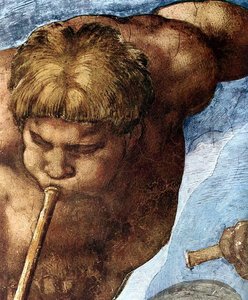
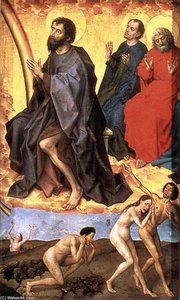
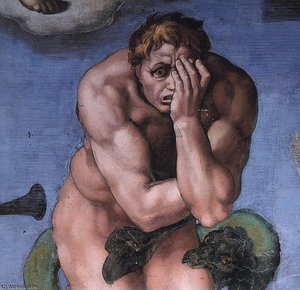
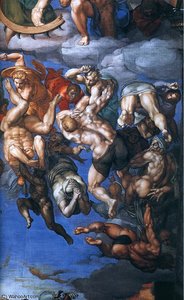
The engraving "Hell is Naked Before Him and Destruction has no Covering," created by Sir William Blake Richmond in 1825, stands as a testament to the Romantic era's preoccupation with theological themes and its masterful execution of printmaking techniques. Exhibited at the Royal Academy that year, this artwork transcends mere depiction; it strives to convey a profound spiritual experience rooted in biblical narrative—the Last Judgment—and embodies Richmond’s distinctive artistic vision. Richmond’s formative years were deeply influenced by William Blake, whose poetic mysticism instilled within him a fascination with visionary art and symbolism. This connection is palpable in Richmond's early works, notably “Abel the Shepherd” and “Christ and the Woman of Samaria,” which foreshadowed his later stylistic explorations. The engraving itself reflects this influence—a deliberate layering of visual metaphors designed to stimulate contemplation rather than simply presenting a literal representation of scripture. The composition immediately draws the eye to Jesus Christ centrally positioned on a cross, bathed in an ethereal glow that contrasts sharply with the desolate landscape surrounding him. Angels descend from heaven, their wings outstretched in protective gestures, while figures kneeling before Christ represent humanity awaiting divine judgment. Richmond’s meticulous attention to detail is evident throughout—the intricate folds of drapery, the expressive faces of the angels and saints, and the subtle shading techniques employed to create depth and atmosphere—all contribute to a palpable sense of solemnity and grandeur. Richmond skillfully utilized mezzotint engraving, a technique known for its tonal range and ability to achieve remarkable realism. The artist painstakingly etched lines into a copper plate using hardened needles, creating areas of light and shadow that mimic the effects of natural illumination. This process demanded considerable patience and precision, resulting in an image characterized by velvety smoothness and nuanced gradations of tone—a hallmark of Richmond’s oeuvre. Furthermore, the monochrome palette reinforces the artwork's spiritual seriousness, stripping away extraneous color to focus solely on conveying emotion and theological significance. Beyond its technical prowess, “Hell is Naked Before Him” resonates deeply with the anxieties of its time. The Victorian era witnessed a fervent debate regarding religious belief and morality, fueled by scientific advancements that challenged traditional understandings of creation and redemption. Richmond’s engraving captures this intellectual ferment, presenting a dramatic portrayal of divine retribution alongside expressions of faith and humility. The symbolism embedded within the scene—the cross representing sacrifice and salvation, the angels symbolizing divine grace, and the desolate landscape embodying earthly suffering—serves as a powerful reminder of humanity's vulnerability before God. Ultimately, Richmond’s “Hell is Naked Before Him” remains an enduring masterpiece not merely for its technical brilliance but also for its ability to evoke profound emotional responses. It invites viewers to confront existential questions about mortality and judgment, prompting reflection on the spiritual dimensions of human experience. Its haunting beauty—a testament to Richmond's artistic skill and Blake’s visionary influence—continues to inspire admiration and serves as a poignant emblem of Romantic idealism.Related Artworks
![Scrovegni - Last Judgment (detail) [03] — Giotto Di Bondone, Proto-renaissance](/media/artworks/images/thumbnails/3a/8d/3a8d38fa6f054e659e9d04930988a1b3.jpg)
Artist Biography
early life and influences
sir william blake richmond, a renowned english painter and portraitist, was born on march 28, 1809, in the united kingdom. his early life was marked by his association with the ancients, a group of followers of the visionary poet and artist william blake. this influence can be seen in richmond's early works, such as abel the shepherd and christ and the woman of samaria, exhibited at the royal academy in 1825.career highlights
as richmond matured, he established a successful career as a portrait painter, capturing the essence of british gentry, nobility, and royalty. his work is characterized by its attention to detail and the ability to convey the subject's personality. notable works include trees at bocca d'arno and the crown of peace, showcasing his mastery of romanticism.notable associations and travels
* in 1828, richmond traveled to paris to study art and anatomy, where he spent a winter in the schools and hospitals. * he met beau brummell at calais, exchanging snuff pinches, marking a significant encounter. * his association with lord sidmouth led to valuable counsel and a portrait of the lord, now in the national portrait gallery.legacy and later life
richmond's later life saw a shift towards more conventional portraits, yet his legacy as a pre-eminent portrait painter endures. he passed away on march 19, 1896, leaving behind a body of work that continues to inspire artists and art enthusiasts alike.- view sir william blake richmond's artworks on ArtsDot: https://ArtsDot.com/@/sir-william-blake-richmond
- explore the british council collection, featuring works by renowned artists like morris louis, william larkin, and alison watt: /en/art/show/art-d3ckkb-en/
- discover more about the ancients and their influence on richmond's work: https://en.wikipedia.org/wiki/the_ancients
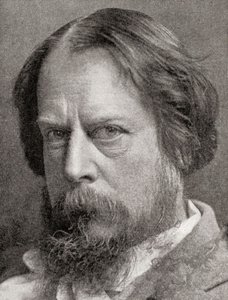
Sir William Blake Richmond
1809 - 1896 , United Kingdom
Quick Facts
- Artistic Movement Or Style: Romanticism
- Artists Or Movements Influenced By This Artist: ['Pre-Raphaelitism']
- Artists Who Influenced This Artist: ['William Blake']
- Date Of Birth: March 28, 1809
- Date Of Death: March 19, 1896
- Full Name: Sir William Blake Richmond
- Nationality: British
- Notable Artworks:
- Trees at Bocca d'Arno
- The Crown of Peace
- Place Of Birth: Brompton, United Kingdom

