

 Preview
 Send
Send Share
Share
 Details

 Download
 Similars
 X-Ray
X-Ray Diaporama
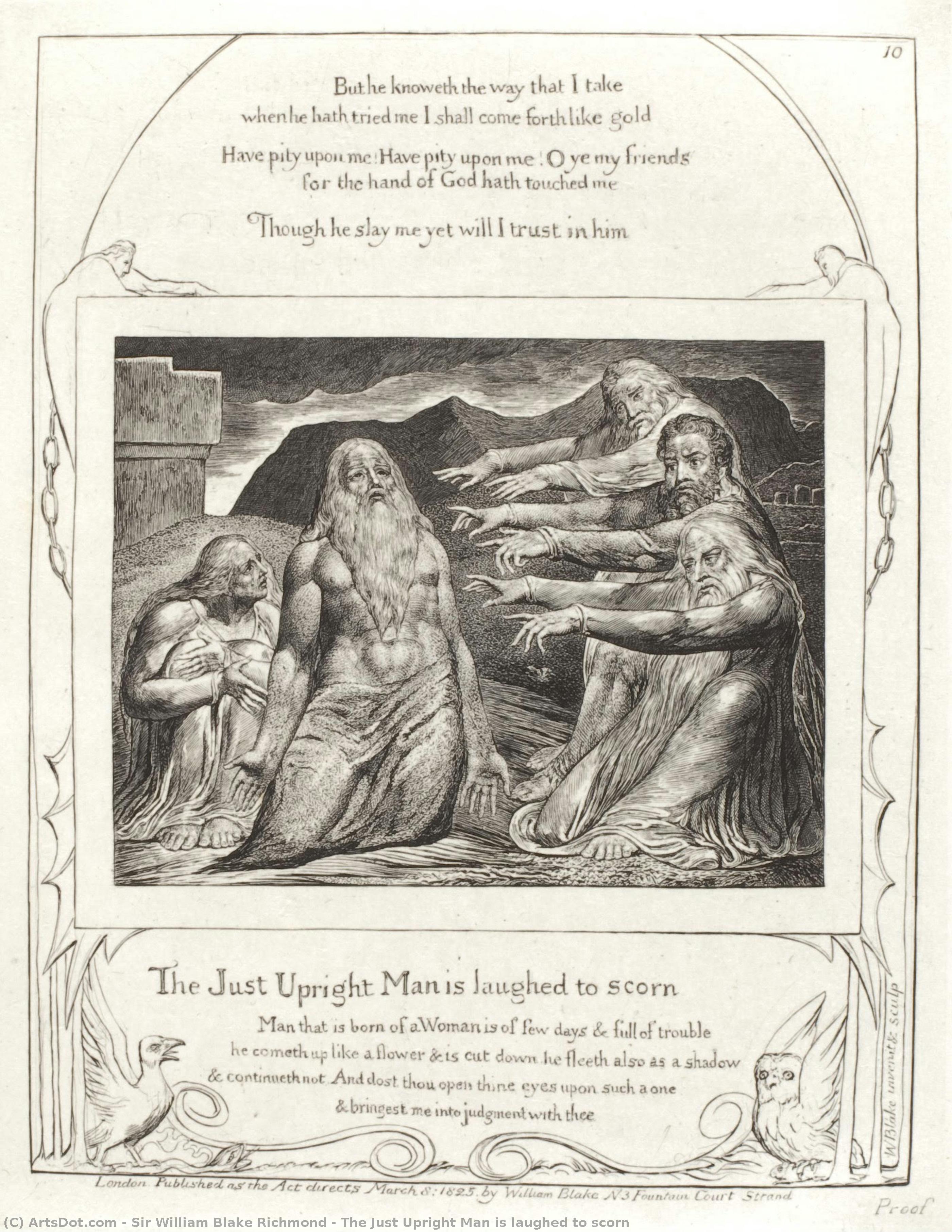
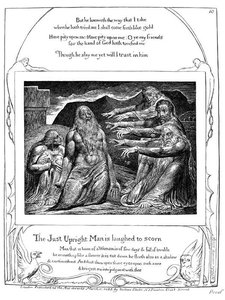
The Just Upright Man is laughed to scorn


 Read More
Purchase a high-resolution, enhanced digital image, far superior to the online preview.
Each file is meticulously prepared by our in-house specialists using advanced tools and expert manual retouching. We ensure every image has exceptional clarity, precise color accuracy, and fine detail.
The final file is delivered via email within 72 hours, optimized for immediate use in professional, editorial, and print environments. This is the same quality trusted by top-tier design studios, publishers, and galleries.
Digital Image
Download a high-resolution file for personal display, printing, and creative projects. ( Buy Print Buy Hand Made Painting)
Included in Every Digital Image Order
Expert Digital Delivery, Guaranteed
When you choose ArtsDot.com, you're not just getting an image - you're receiving a professionally enhanced digital artwork, crafted with precision and backed by a satisfaction guarantee. Here's everything that comes with your order, automatically:

Fast Email Delivery
Your high-resolution digital image file will be emailed to you within 72 hours of ordering - ready for immediate use.

AI-Enhanced Digital File
Your artwork is professionally optimized using advanced AI tools and manual editing, ensuring maximum detail, clarity, and color accuracy.

Free Lifetime Re-Delivery
Accidentally deleted or lost your file? No worries - we'll resend it to you anytime, free of charge.

No Import Fees - Ever
Enjoy your artwork instantly with zero customs, duties, or delivery fees - digital downloads are always tax-free.

Color Accuracy Guarantee
We ensure your digital image reflects the original colors as closely as possible using professional tools and color management.

60-Day Satisfaction Guarantee
If you're not satisfied with your digital image, we'll revise it or refund 100% within 60 days - no questions asked.

100% Money-Back Guarantee
Not satisfied? Get a full refund within 60 days of receiving your digital file - no questions asked.

Bulk Order Discounts
Buy 3 images, save 10% - Buy 5, save 15% - Buy 10+, save 20%. Great for creative projects, galleries, and agencies.
Collectible Description
Sir William Blake Richmond: A Visionary of Aestheticism & Symbolism
Sir William Blake Richmond (1809–1896) stands as a pivotal figure bridging Pre-Raphaelitism and Aestheticism, an artist whose oeuvre embodies the spirit of Romantic idealism while simultaneously grappling with the burgeoning concerns of Victorian society. Born in Brompton, London, Richmond’s formative years were steeped in the influence of William Blake—a kindred spirit captivated by visionary poetry and art—which profoundly shaped his artistic trajectory. This connection is palpable in his early works, notably “Abel the Shepherd” and “Christ and the Woman of Samaria,” exhibited at the Royal Academy in 1825, demonstrating a meticulous attention to detail and an expressive use of color that foreshadowed his later stylistic innovations. Richmond’s career ascended rapidly as he established himself as a celebrated portrait painter, capturing the essence of British gentry, nobility, and royalty with remarkable sensitivity. His canvases—including “Trees at Bocca d'Arno” and “The Crown of Peace”—are characterized by their masterful execution of Romantic principles: dramatic compositions, evocative landscapes imbued with emotional resonance, and figures rendered with profound psychological depth. He skillfully employed chiaroscuro – the interplay of light and shadow – to heighten visual impact and convey mood, techniques honed during his extensive studies in Paris and Rome where he immersed himself in the artistic heritage of antiquity. Richmond’s engagement with the Aesthetic Movement distinguished him from many of his contemporaries who favored more overtly decorative styles. He championed a philosophy rooted in sensorial experience and intellectual contemplation, rejecting the didacticism prevalent in Victorian art. This conviction is vividly realized in his monumental mosaics adorning St Paul's Cathedral—a project undertaken alongside James Powell and Sons—where he utilized bold colors and innovative materials to create breathtaking visual narratives that celebrated Christian faith and civic pride. The mosaics stand as a testament to Richmond’s belief that art should elevate the spirit rather than merely satisfy aesthetic pleasure. Richmond’s artistic legacy extends beyond his paintings and mosaics; he served as Slade Professor of Fine Art at Oxford University from 1878 to 1883, succeeding John Ruskin—a relationship marked by both admiration and spirited disagreement regarding Ruskin's uncompromising moral stance. During his professorship, Richmond championed the importance of rigorous artistic training and encouraged students to explore the expressive potential of diverse mediums. His influence resonated throughout Oxford’s art department, shaping generations of artists who would carry forward his vision of Romantic idealism into the 20th century. Richmond continued to exhibit his work with the Royal Academy until his death in 1896, cementing his position as one of Britain's most respected painters. His enduring appeal lies not only in his technical virtuosity but also in his profound engagement with philosophical and spiritual questions—a reflection of the broader cultural currents that defined Victorian England. He remains an artist whose work continues to inspire awe and contemplation, a beacon of Romantic artistry amidst the shifting sands of artistic history.Related Artworks
Artist Biography
early life and influences
sir william blake richmond, a renowned english painter and portraitist, was born on march 28, 1809, in the united kingdom. his early life was marked by his association with the ancients, a group of followers of the visionary poet and artist william blake. this influence can be seen in richmond's early works, such as abel the shepherd and christ and the woman of samaria, exhibited at the royal academy in 1825.career highlights
as richmond matured, he established a successful career as a portrait painter, capturing the essence of british gentry, nobility, and royalty. his work is characterized by its attention to detail and the ability to convey the subject's personality. notable works include trees at bocca d'arno and the crown of peace, showcasing his mastery of romanticism.notable associations and travels
* in 1828, richmond traveled to paris to study art and anatomy, where he spent a winter in the schools and hospitals. * he met beau brummell at calais, exchanging snuff pinches, marking a significant encounter. * his association with lord sidmouth led to valuable counsel and a portrait of the lord, now in the national portrait gallery.legacy and later life
richmond's later life saw a shift towards more conventional portraits, yet his legacy as a pre-eminent portrait painter endures. he passed away on march 19, 1896, leaving behind a body of work that continues to inspire artists and art enthusiasts alike.- view sir william blake richmond's artworks on ArtsDot: https://ArtsDot.com/@/sir-william-blake-richmond
- explore the british council collection, featuring works by renowned artists like morris louis, william larkin, and alison watt: /en/art/show/art-d3ckkb-en/
- discover more about the ancients and their influence on richmond's work: https://en.wikipedia.org/wiki/the_ancients
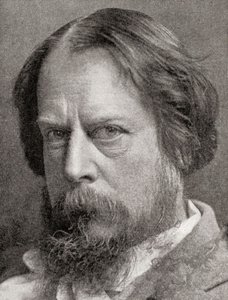
Sir William Blake Richmond
1809 - 1896 , United Kingdom
Quick Facts
- Artistic Movement Or Style: Romanticism
- Artists Or Movements Influenced By This Artist: ['Pre-Raphaelitism']
- Artists Who Influenced This Artist: ['William Blake']
- Date Of Birth: March 28, 1809
- Date Of Death: March 19, 1896
- Full Name: Sir William Blake Richmond
- Nationality: British
- Notable Artworks:
- Trees at Bocca d'Arno
- The Crown of Peace
- Place Of Birth: Brompton, United Kingdom

