

 Preview
 Send
Send Share
Share
 Details

 Download
 Similars
 X-Ray
X-Ray Diaporama
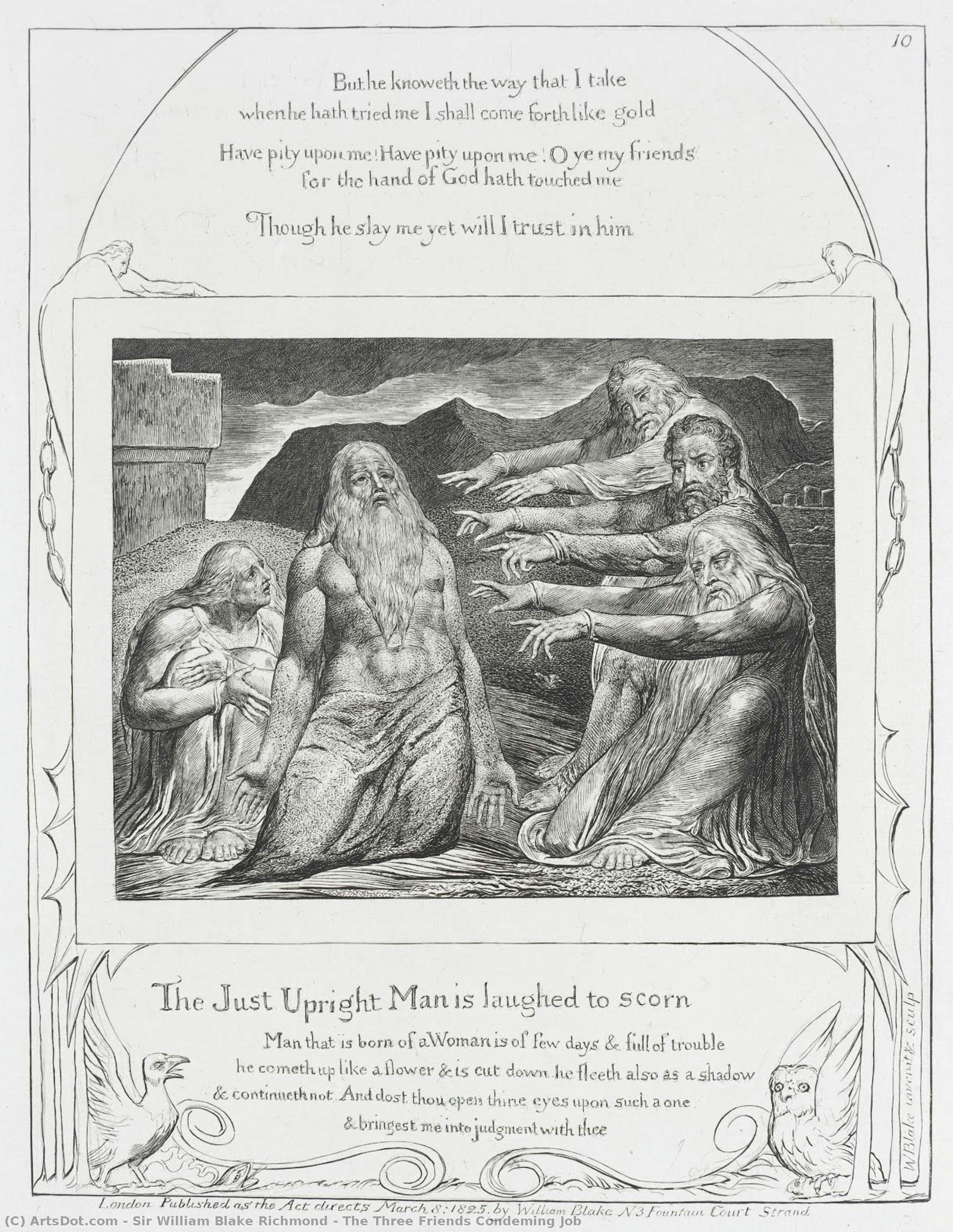
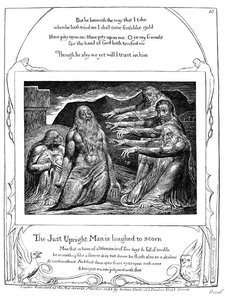
The Three Friends Condeming Job
 Engraving
- WallArt
- Romanticism
 1825
1825 19.0 x 14.0 cm
 Los Angeles County Museum of Art
 Read More
Purchase a high-resolution, enhanced digital image, far superior to the online preview.
Each file is meticulously prepared by our in-house specialists using advanced tools and expert manual retouching. We ensure every image has exceptional clarity, precise color accuracy, and fine detail.
The final file is delivered via email within 72 hours, optimized for immediate use in professional, editorial, and print environments. This is the same quality trusted by top-tier design studios, publishers, and galleries.
Digital Image
Download a high-resolution file for personal display, printing, and creative projects. ( Buy Print Buy Hand Made Painting)
Included in Every Digital Image Order
Expert Digital Delivery, Guaranteed
When you choose ArtsDot.com, you're not just getting an image - you're receiving a professionally enhanced digital artwork, crafted with precision and backed by a satisfaction guarantee. Here's everything that comes with your order, automatically:

Fast Email Delivery
Your high-resolution digital image file will be emailed to you within 72 hours of ordering - ready for immediate use.

AI-Enhanced Digital File
Your artwork is professionally optimized using advanced AI tools and manual editing, ensuring maximum detail, clarity, and color accuracy.

Free Lifetime Re-Delivery
Accidentally deleted or lost your file? No worries - we'll resend it to you anytime, free of charge.

No Import Fees - Ever
Enjoy your artwork instantly with zero customs, duties, or delivery fees - digital downloads are always tax-free.

Color Accuracy Guarantee
We ensure your digital image reflects the original colors as closely as possible using professional tools and color management.

60-Day Satisfaction Guarantee
If you're not satisfied with your digital image, we'll revise it or refund 100% within 60 days - no questions asked.

100% Money-Back Guarantee
Not satisfied? Get a full refund within 60 days of receiving your digital file - no questions asked.

Bulk Order Discounts
Buy 3 images, save 10% - Buy 5, save 15% - Buy 10+, save 20%. Great for creative projects, galleries, and agencies.
Collectible Description
The Three Friends Condemning Job: A Study in Romantic Despair
Sir William Blake Richmond’s “The Three Friends Condeming Job” is not merely a depiction of biblical narrative; it's a profound exploration of human judgment, spiritual torment, and the agonizing isolation at the heart of suffering. Painted in 1825, this powerful engraving embodies the spirit of Romanticism – a movement characterized by intense emotion, dramatic landscapes, and a fascination with the sublime—and reveals Richmond’s deep engagement with the visionary art of William Blake, his mentor and lifelong influence.
The scene unfolds within a claustrophobic interior, dominated by a central figure seated in profound despair. This is Job, stripped bare not just of his possessions but of his faith, surrounded by three companions who, driven by their own interpretations of scripture and a desire to offer comfort, relentlessly question his righteousness. The composition is meticulously structured around this triangular arrangement of figures, creating a palpable sense of tension and confinement. Richmond masterfully utilizes the limited palette of monochrome – shades of gray and black—to amplify the mood’s somber intensity. The stark contrasts between light and shadow sculpt the faces of the men, emphasizing their judgmental expressions and conveying the weight of their accusations.
Technique and Artistic Process
Richmond's skill as an engraver is immediately apparent in the intricate detail and textural richness of the image. He employs a masterful combination of hatching and cross-hatching techniques to build up tones, creating a remarkably realistic portrayal of fabric, skin, and the rough texture of the architectural background. The lines are not simply outlines; they’re carefully modulated to suggest depth, volume, and movement. The engraving process itself—scratching lines into a metal plate with acid-resistant ground before meticulously inking and pressing it onto paper—demands immense patience and control, qualities that Richmond clearly possessed in abundance. Notice the subtle variations in line weight, which contribute significantly to the image’s dynamic quality.
Symbolism and Narrative Depth
Beyond its immediate depiction of a biblical scene, “The Three Friends Condeming Job” resonates with broader themes of morality, faith, and the nature of suffering. The stormy sky serves as a potent symbol of internal turmoil—a reflection of Job’s shattered state of mind. Each of the three friends represents a different facet of human judgment: one gestures emphatically, another points accusingly, while the third offers a hesitant suggestion of solace. Richmond doesn't offer easy answers; instead, he presents a complex and unsettling portrait of flawed individuals grappling with their own limitations and biases. The architectural elements in the background—fragments of a fortress or perhaps ruins—suggest a world crumbling under the weight of injustice and despair.
Historical Context and Artistic Legacy
Richmond’s work emerged during a period of significant artistic and intellectual ferment, marked by the rise of Romanticism and the enduring influence of William Blake. Blake's emphasis on visionary art, spiritual symbolism, and the power of imagination profoundly shaped Richmond’s aesthetic sensibilities. “The Three Friends Condeming Job” stands as a testament to this shared vision—a powerful meditation on human fallibility and the enduring struggle to find meaning in a world riddled with suffering. The painting reflects the broader anxieties of the era, grappling with questions of faith, morality, and the individual's place within a vast and often incomprehensible universe. Richmond’s legacy extends beyond this single work; he became a leading portrait painter of his time, capturing the essence of British society with remarkable skill and sensitivity.
Related Artworks
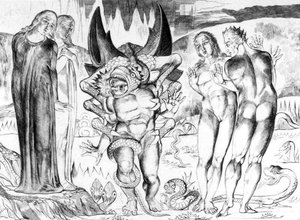
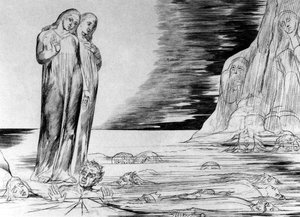
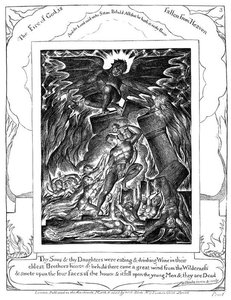
Artist Biography
early life and influences
sir william blake richmond, a renowned english painter and portraitist, was born on march 28, 1809, in the united kingdom. his early life was marked by his association with the ancients, a group of followers of the visionary poet and artist william blake. this influence can be seen in richmond's early works, such as abel the shepherd and christ and the woman of samaria, exhibited at the royal academy in 1825.career highlights
as richmond matured, he established a successful career as a portrait painter, capturing the essence of british gentry, nobility, and royalty. his work is characterized by its attention to detail and the ability to convey the subject's personality. notable works include trees at bocca d'arno and the crown of peace, showcasing his mastery of romanticism.notable associations and travels
* in 1828, richmond traveled to paris to study art and anatomy, where he spent a winter in the schools and hospitals. * he met beau brummell at calais, exchanging snuff pinches, marking a significant encounter. * his association with lord sidmouth led to valuable counsel and a portrait of the lord, now in the national portrait gallery.legacy and later life
richmond's later life saw a shift towards more conventional portraits, yet his legacy as a pre-eminent portrait painter endures. he passed away on march 19, 1896, leaving behind a body of work that continues to inspire artists and art enthusiasts alike.- view sir william blake richmond's artworks on ArtsDot: https://ArtsDot.com/@/sir-william-blake-richmond
- explore the british council collection, featuring works by renowned artists like morris louis, william larkin, and alison watt: /en/art/show/art-d3ckkb-en/
- discover more about the ancients and their influence on richmond's work: https://en.wikipedia.org/wiki/the_ancients
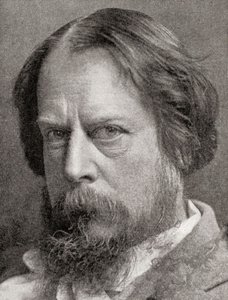
Sir William Blake Richmond
1809 - 1896 , United Kingdom
Quick Facts
- Artistic Movement Or Style: Romanticism
- Artists Or Movements Influenced By This Artist: ['Pre-Raphaelitism']
- Artists Who Influenced This Artist: ['William Blake']
- Date Of Birth: March 28, 1809
- Date Of Death: March 19, 1896
- Full Name: Sir William Blake Richmond
- Nationality: British
- Notable Artworks:
- Trees at Bocca d'Arno
- The Crown of Peace
- Place Of Birth: Brompton, United Kingdom

