 Preview
 Send
Send Share
Share
 Details

 Download
 Similars
 X-Ray
X-Ray Diaporama
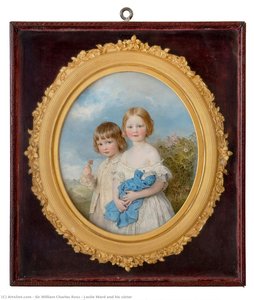
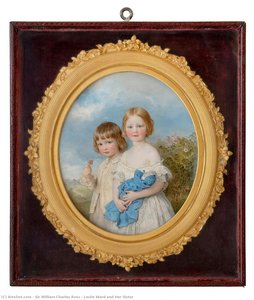
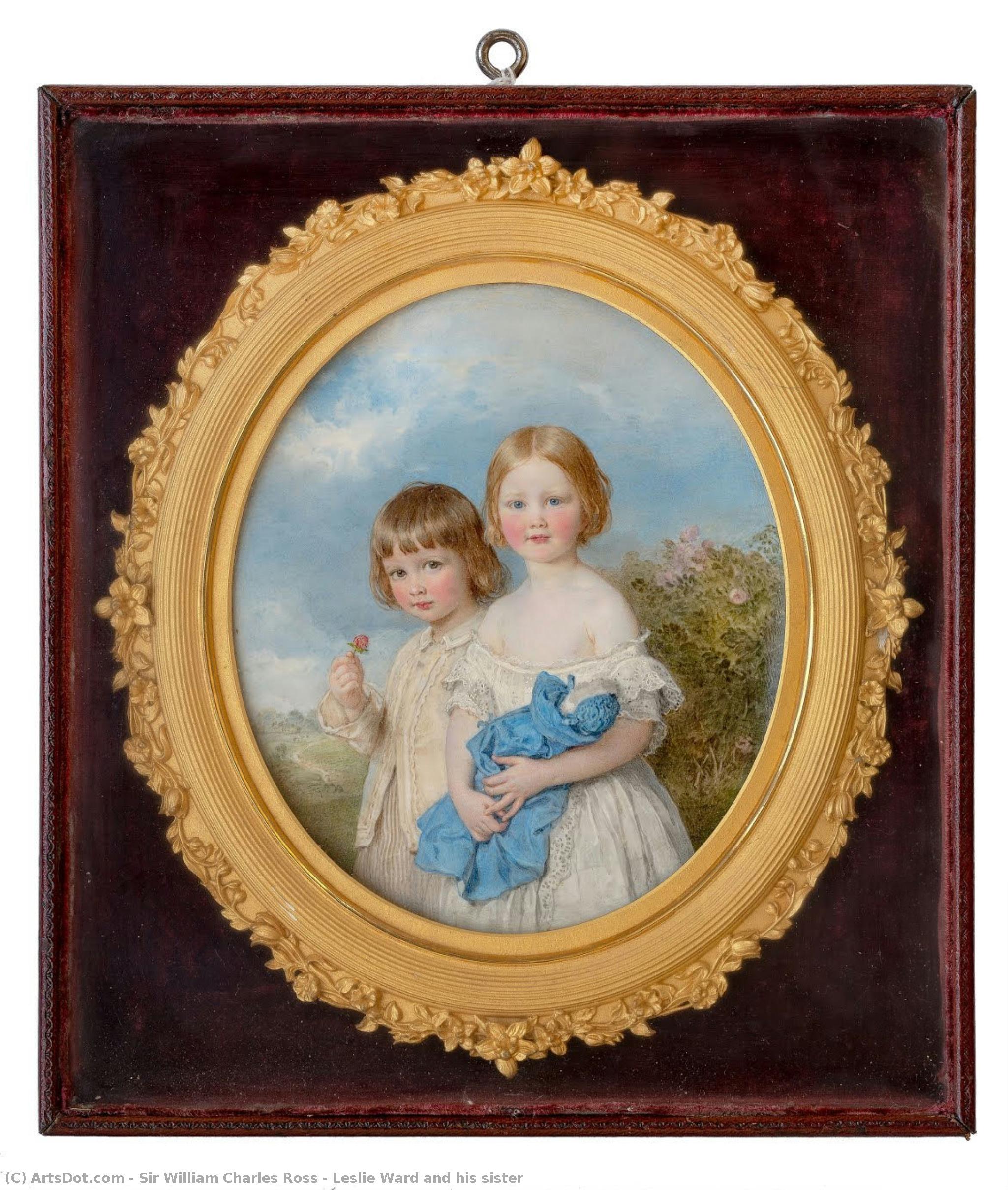
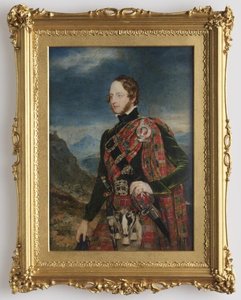
Leslie Ward and his sister
 19th Century
 14.0 x 17.0 cm
 Palazzo Madama
 Read More
Hand Made Oil Reproduction
Hand-painted oil on canvas in your size and frame, made to order by our artists. ( Buy Print Buy Image)




P118B $10

P118H $10

P118W $10

P438Z $10

P508JH $12

P508YH $12

P805H $10

P805Z $10

P919BZ $10

P919G $10

P919XJ $10

P959ZH $10

P968JZ $12

W106C $8

W218G $10

W218JH $8

W218Y $10

W307PJ $10

W316G $10

W316PJ $8

W316Y $10

W398PJ $8

W4111J $10

W500HY $15

W500JH $15

W692G $12

W849H $8

W940BG $15

W953PJ $8




Pick from our preset sizes that match the artwork's original proportions.

You may enter your own dimensions to fit a specific frame or space. If your selected size does not match the original image's proportions, we will either crop the artwork or extend the painting with additional hand-painted elements. A digital mockup will be sent for your approval before production begins.
Please note that the on-screen preview does not reflect the actual cropping or extension. Only the mockup will accurately show the final composition.
While custom sizes are available, we recommend selecting a dimension from the predefined list to preserve the original proportions.
After order, ArtsDot.com team will email client for instructions and provide a mockup preview
Worldwide Delivery () in 3/4 weeks instead of standard 5 weeks. (23 August). No compromise on quality.

Free Worldwide Express Shipping

High-Quality Linen Canvas

Full Shipping Insurance

Customs Tax Refund Guarantee

True Color Matching Guarantee

60-Day Return Policy (Defects Only)

100% Money-Back Guarantee

Bulk Discount Offer
 Glass option is only available in size under 110 CM

Leslie Ward and his sister
Reproduction Medium
Reproduction Size
-


Total Price
$ 263
Artwork Description
A Moment Frozen in Time: The Innocence of Leslie Ward and His Sister
In the gentle embrace of 19th-century portraiture, few works capture the ephemeral sweetness of childhood as tenderly as Sir William Charles Ross’s Leslie Ward and his sister. This intimate piece serves as a window into a bygone era, presenting us with two young protagonists poised against a lush, pastoral backdrop. The composition is anchored by the charming juxtaposition of the siblings: a young boy, lost in the simple, sensory pleasure of biting into a ripe apple, and his sister, who holds a delicate blue ribbon, her presence adding a touch of refined grace to the scene. Through this quiet interaction, Ross invites the viewer to step away from the complexities of adult life and rediscover the unadulterated joy found in nature’s simplest offerings.
The artistry of the piece lies in its masterful ability to blend a sense of formal portraiture with the spontaneous energy of a landscape painting. The technique employs a soft, luminous palette that breathes life into the sun-drenched field of flowers and the verdant trees that frame the children. Every brushstroke seems designed to evoke the warmth of a summer afternoon, creating a serene atmosphere that is both nostalgic and deeply comforting. For the discerning collector or interior designer, this work offers more than just visual beauty; it provides an emotional anchor for a room, bringing a sense of peace and timelessness to any curated space.
Beyond the surface level of its charming subject matter, the painting carries subtle layers of symbolism regarding growth and the passage of time. The apple, often a symbol of knowledge and the cycle of life, contrasts beautifully with the youthful innocence of the boy, while the blue ribbon held by the girl suggests a budding elegance and the careful cultivation of grace. Set within an elegant gold frame that enhances its classical prestige, this reproduction is an exquisite choice for those looking to infuse their homes with a sense of historical depth and romantic charm. It is a celebration of lineage, legacy, and the enduring beauty of the human spirit in its most pristine form.
Related Artworks

Artist Biography
Charles Robert Leslie: A Life Dedicated to Art and Biography
Born in London on October 19, 1794, Charles Robert Leslie’s life was a fascinating blend of artistic pursuit, literary engagement, and transatlantic connections. While his parents were American expatriates, he spent the majority of his career immersed in the vibrant art scene of England, ultimately becoming renowned not just as a painter but also as a pivotal figure in the history of artistic biography. His story is one of ambition, adaptation, and a profound appreciation for the narratives woven within both visual art and literature.
Leslie’s early life was marked by financial constraints that initially hindered his formal artistic training. Unable to afford expensive lessons, he began his career as an apprentice at the publishing house Messrs Bradford and Inskeep in Philadelphia. However, recognizing his burgeoning talent, a partner within the firm, himself a director of the Pennsylvania Academy of the Fine Arts, championed Leslie’s aspirations and secured him funds for a move to London – a pivotal moment that set the stage for his future success. Upon arriving in England in 1811, he was introduced to Benjamin West, then President of the Royal Academy, who provided crucial mentorship and access to the prestigious Royal Academy Schools in 1813.
Initially, Leslie’s artistic style reflected the prevailing trends of his time. Early works like *The Murder of Rutland by Lord Clifford* demonstrate a clear emulation of the grand historical paintings favored by artists such as Washington Allston and Benjamin West – dramatic scenes steeped in classical mythology and heroic narratives. However, recognizing a shift in artistic sensibilities, Leslie skillfully transitioned to more intimate genre scenes, drawing inspiration from the works of David Wilkie, known for his depictions of London life with a touch of humor and sentimentality. These paintings often served as visual interpretations of well-loved literary tales, showcasing his ability to translate narrative into compelling imagery.
Leslie’s most enduring legacy lies in his meticulous and insightful biography of John Constable, published in 1843 – *Memoirs of the Life of John Constable*. This work is widely considered a cornerstone of artistic biography, offering an unparalleled level of detail and personal insight into the life and career of one of England's greatest landscape painters. It was born from a close friendship between Leslie and Constable, fueled by shared artistic sensibilities and mutual respect. The success of this biography cemented Leslie’s reputation as more than just a painter; he became a respected scholar and interpreter of art history.
Beyond *Memoirs of the Life of John Constable*, Leslie continued his writing career, producing biographies of Sir Joshua Reynolds, though this remained unfinished at his death in 1859. He also held the position of Professor of Painting at the Royal Academy from 1847 to 1852, further solidifying his influence within the artistic community. Throughout his life, Leslie maintained a keen interest in portraiture, creating numerous commissions for prominent sitters, including Queen Victoria during her coronation ceremony – a testament to his skill and social standing.
Leslie’s Artistic Techniques and Style
While initially influenced by the grand historical painting style of West and Allston, Leslie developed a distinctive approach characterized by a refined draftsmanship and an ability to capture subtle nuances of character and emotion. His genre scenes were particularly notable for their lively compositions, detailed settings, and engaging portrayals of everyday life. He employed a loose, expressive brushstroke that contributed to the immediacy and charm of his work.
Leslie’s use of color was generally restrained but effective, prioritizing clarity and tonal harmony over flamboyant displays of pigment. He demonstrated a strong understanding of light and shadow, skillfully employing chiaroscuro techniques to create depth and drama within his paintings. His portraits were distinguished by their psychological insight – he possessed an uncanny ability to capture the personality and inner life of his subjects.
Connections to the Royal Academy and Artistic Circles
Leslie’s association with the Royal Academy was central to his career. His election as an Associate in 1821, followed by full membership in 1826, reflected his growing recognition within the artistic establishment. He maintained close relationships with other prominent artists of his time, including John Constable and Benjamin West, benefiting from their mentorship and engaging in lively intellectual discussions about art.
His connections extended beyond the Academy itself; he was a frequent patron of young artists and actively promoted the work of emerging talents. He also cultivated a network of writers and literary figures, recognizing the importance of interdisciplinary collaboration in shaping artistic discourse.
A Legacy Beyond the Canvas: The Importance of Biography
Charles Robert Leslie’s most significant contribution to art history lies not simply in his paintings but in his pioneering work as an artist biographer. *Memoirs of the Life of John Constable* established a new standard for biographical writing, demonstrating a commitment to thorough research, intimate detail, and empathetic understanding. Leslie's approach—combining artistic observation with personal reflection—influenced generations of biographers and helped to elevate the status of art history as a scholarly discipline.
His work continues to be studied and admired today, serving as a reminder of the profound connections between art, literature, and the human experience. Leslie’s life exemplifies a dedication to both artistic expression and intellectual inquiry—a legacy that transcends the boundaries of his own time.
sir william charles ross
1794 - 1860 , United Kingdom
Quick Facts
- Artistic Movement Or Style: Romanticism
- Artists Or Movements Influenced By This Artist: ['John Constable']
- Artists Who Influenced This Artist:
- Benjamin West
- Washington Allston
- Date Of Birth: 19 Oct 1794
- Date Of Death: 5 May 1859
- Full Name: Charles Robert Leslie
- Nationality: British
- Notable Artworks:
- Murder of Rutland
- Londoners Gypsying
- Portrait of Constable
- Queen's Coronation
- Place Of Birth: London, England
Related Articles

John Constable's Masterpieces: Explore 25 Iconic Landscapes for Your Home
Journey through John Constable's 25 most celebrated landscapes. Explore Romanticism, Dedham Vale & his masterful use of light in iconic paintings like 'Hay Wain'. Find museum-quality art reproductions and elevate your home decor on ArtsDot.com.

Serene Visions: Exploring Themes of Tranquility in Art History & Contemporary Practice
Explore the history of serene landscape art & discover artists who evoke tranquility. Find the perfect calming artwork for your home with expert guidance from ArtsDot.

Evocations of Place: A Historical Journey Through Landscape Art
Explore the rich history of landscape art with ArtsDot. Discover renowned artists, movements like Impressionism & Romanticism, and expert guidance for collecting timeless pieces. Find your perfect serene escape today!

Romantic Landscapes: 10 Masterpieces for Your Home | ArtsDot
Journey through 10 Romantic landscape masterpieces by Friedrich, Turner & Cole. Explore emotional art, sublime nature scenes & iconic 19th-century paintings. Find museum-quality reproductions for your home at ArtsDot.com – discover the full collection online!
Evoking Tranquility: A Study of Serene Beauty in Visual Art Across Historical Movements
Explore the history of serene art & discover how landscape paintings evoke tranquility across movements. Find inspiration for calming home decor & museum-quality reproductions at ArtsDot.