

 Preview
 Send
Send Share
Share
 Details

 Download
 Similars
 X-Ray
X-Ray Diaporama
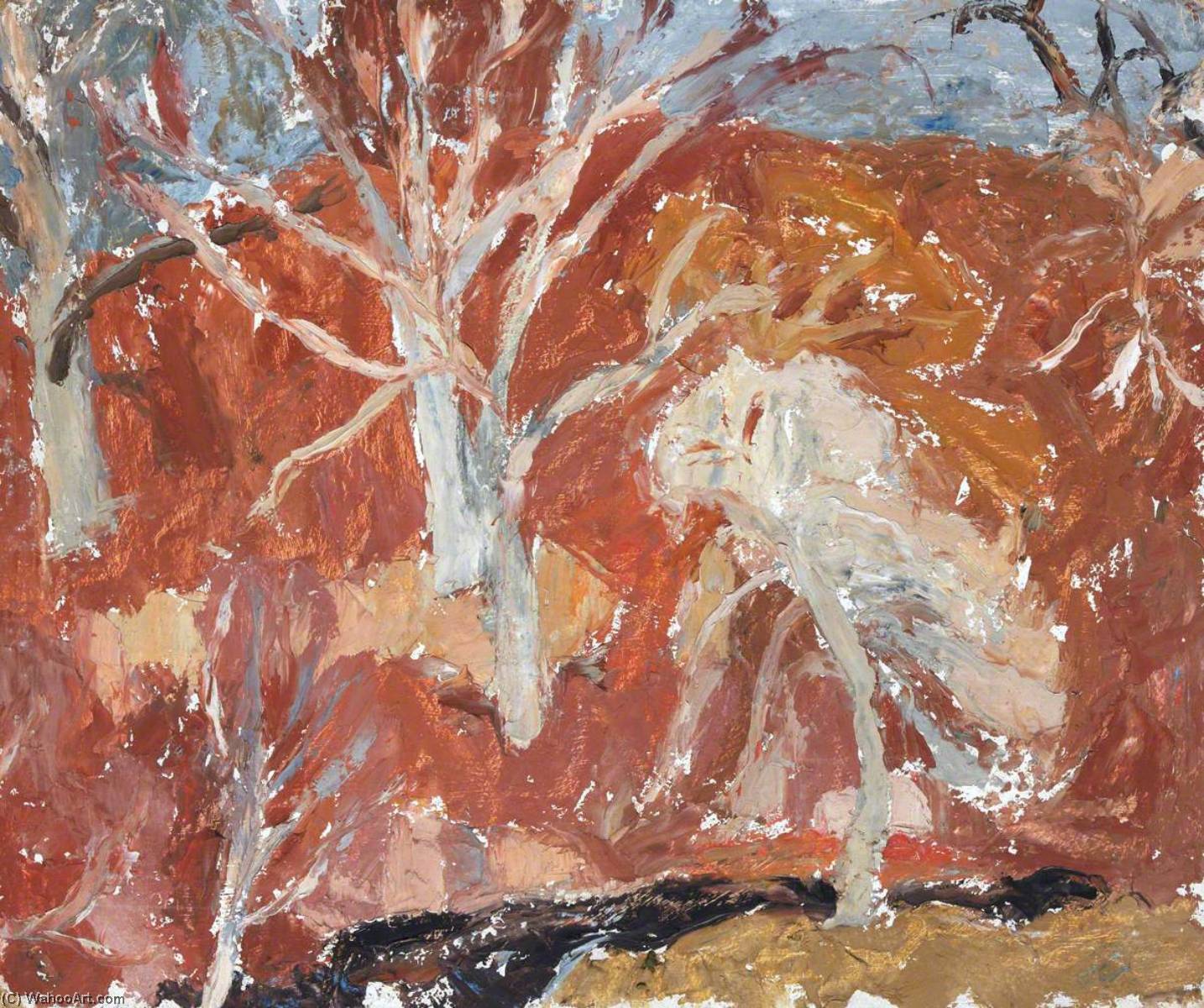
Autumn Landscape with Trees
 Oil On Canvas
- WallArt
- Impressionism
 Modern
 51.0 x 61.0 cm
 Royal Scottish Academy of Art - Architecture
 Read More
Purchase a high-resolution, enhanced digital image, far superior to the online preview.
Each file is meticulously prepared by our in-house specialists using advanced tools and expert manual retouching. We ensure every image has exceptional clarity, precise color accuracy, and fine detail.
The final file is delivered via email within 72 hours, optimized for immediate use in professional, editorial, and print environments. This is the same quality trusted by top-tier design studios, publishers, and galleries.
Digital Image
Download a high-resolution file for personal display, printing, and creative projects. ( Buy Print Buy Hand Made Painting)
Included in Every Digital Image Order
Expert Digital Delivery, Guaranteed
When you choose ArtsDot.com, you're not just getting an image - you're receiving a professionally enhanced digital artwork, crafted with precision and backed by a satisfaction guarantee. Here's everything that comes with your order, automatically:

Fast Email Delivery
Your high-resolution digital image file will be emailed to you within 72 hours of ordering - ready for immediate use.

AI-Enhanced Digital File
Your artwork is professionally optimized using advanced AI tools and manual editing, ensuring maximum detail, clarity, and color accuracy.

Free Lifetime Re-Delivery
Accidentally deleted or lost your file? No worries - we'll resend it to you anytime, free of charge.

No Import Fees - Ever
Enjoy your artwork instantly with zero customs, duties, or delivery fees - digital downloads are always tax-free.

Color Accuracy Guarantee
We ensure your digital image reflects the original colors as closely as possible using professional tools and color management.

60-Day Satisfaction Guarantee
If you're not satisfied with your digital image, we'll revise it or refund 100% within 60 days - no questions asked.

100% Money-Back Guarantee
Not satisfied? Get a full refund within 60 days of receiving your digital file - no questions asked.

Bulk Order Discounts
Buy 3 images, save 10% - Buy 5, save 15% - Buy 10+, save 20%. Great for creative projects, galleries, and agencies.
Collectible Description
A Symphony of Autumnal Hues: Exploring Gillies’ “Autumn Landscape”
Sir William George Gillies' "Autumn Landscape with Trees" isn't merely a depiction of a fall scene; it’s an immersion into the heart of Scottish autumn, rendered with a profound sensitivity to light and color. Painted around 1939-60, this oil on canvas captures a moment suspended in time – a quiet woodland bathed in the golden glow of late October or early November. The painting immediately draws the eye with its rich palette: deep reds and oranges dominate the foliage, punctuated by the softer yellows and browns of decaying leaves and exposed branches. Gillies masterfully avoids a flat, uniform approach; instead, he employs subtle gradations of color to create an illusion of depth and volume, making the trees appear almost tactile.
Gillies’ technique is characterized by a loose, expressive brushwork that contributes significantly to the painting's mood. He doesn’t meticulously render every detail, opting instead for suggestive strokes that convey texture and atmosphere. Notice how he uses short, broken brushstrokes to depict the rough bark of the trees, contrasting with smoother, blended areas where light catches the leaves. This interplay between precision and spontaneity is a hallmark of Gillies' style – a balance between observation and emotional response.
Echoes of Impressionism and Early Modernism
To understand “Autumn Landscape,” it’s crucial to consider Gillies’ artistic journey. Initially influenced by the Cubist explorations of figures like Picasso and Braque, particularly in his early work "Two Pots, Saucer and Fruit," he gradually moved away from rigid geometric forms. The impact of Paul Klee's imaginative use of color – a shift towards brighter hues and childlike simplicity – proved transformative. This move is powerfully evident here; Gillies’ palette isn’t constrained by naturalism but rather seeks to evoke the *feeling* of autumn, prioritizing emotional resonance over strict representation.
Furthermore, Gillies' work reflects the broader currents of early 20th-century art. He shares affinities with Impressionists like Monet and Pissarro, who sought to capture fleeting moments of light and atmosphere. However, unlike the Impressionists’ focus on optical realism, Gillies imbues his landscapes with a distinctly personal vision – a sense of melancholy and introspection that speaks to the transient beauty of nature.
Symbolism in the Scottish Woodland
Beyond its aesthetic qualities, “Autumn Landscape” carries symbolic weight. The autumnal setting itself is rich in meaning, representing transition, decay, and the cyclical nature of life. The scattered trees, bathed in the fading light, evoke a sense of solitude and contemplation. The composition’s arrangement—the distant hills receding into the background—creates an illusion of vastness, suggesting both the grandeur of the Scottish Highlands and the insignificance of human existence within its scale.
Gillies' choice to depict trees in their final stages of glory is particularly poignant. It serves as a reminder of the ephemeral beauty of nature and the inevitability of change. The painting isn’t simply a record of a specific landscape; it’s an allegory for the human condition – a meditation on mortality, memory, and the enduring power of art to capture fleeting moments of grace.
A Legacy of Scottish Landscape Painting
Sir William George Gillies remains one of Scotland's most celebrated landscape painters. “Autumn Landscape with Trees” stands as a testament to his artistic vision – a masterful synthesis of observation, emotion, and technique. Reproductions of this painting offer a window into the soul of the Scottish Highlands, inviting viewers to pause, reflect, and appreciate the profound beauty of the natural world. It’s a piece that resonates deeply with collectors seeking works of genuine emotional depth and historical significance.
Related Artworks
Artist Biography
Sir William George Gillies: A Life in Scottish Art
Early Life and Education
- Born: Haddington, East Lothian, United Kingdom, 1898.
- Gillies initially enrolled at the Edinburgh College of Art but his studies were interrupted by service in World War I with the Royal Engineers.
- Following the war, he returned to complete his education at the Edinburgh College of Art, graduating and subsequently becoming a dedicated teacher there for over 40 years.
Artistic Development and Influences
- Gillies’ artistic journey began with an exploration of Cubism after studying under André Lhote in Paris (1923) and traveling to Italy (1924).
- Early works, like “Two Pots, Saucer and Fruit” (1933), demonstrate this influence, showing a Cézanne-inspired arrangement with Braque and Picasso’s understated color palettes.
- A pivotal moment came in 1934 when he encountered the work of Paul Klee, inspiring him to adopt a more imaginative use of colour and childlike qualities in his compositions.
- He gradually moved away from strict Cubism, developing a distinctive style rooted in Scottish landscape and still life traditions.
The 1922 Group and Collaborative Spirit
- In 1922, Gillies co-founded the “1922 Group” alongside fellow artists including William Crozier, William Geissler, and William MacTaggart.
- This exhibition society provided a platform for emerging Scottish artists to showcase their work at the New Gallery in Edinburgh for a decade.
- The group fostered a sense of community and innovation within the Scottish art scene.
Themes and Subject Matter
- Landscapes: Gillies is renowned for his depictions of the Lothian, Fife, and Border regions of Scotland. He captured the essence of these landscapes with a sensitive eye.
- Still Lifes: Still life compositions were another significant focus, often featuring ceramics created by his younger sister, Emma Smith Gillies, whose premature death in 1936 deeply affected him.
- Portraiture: While he experimented with portraiture early in his career, landscapes and still lifes became his primary subjects.
Major Achievements and Recognition
- Gillies served as Principal of the Edinburgh College of Art from 1959 until his retirement in 1966.
- His prolific output and dedication to teaching had a profound influence on generations of Scottish painters.
- He was elected a Royal Academician (RA), signifying significant recognition within the art world.
Historical Significance and Legacy
- Sir William George Gillies is considered one of Scotland’s most important 20th-century painters.
- His work bridges the gap between early modernism and a distinctly Scottish artistic identity.
- Legacy: His influence extends beyond his paintings, shaping the direction of Scottish art through his teaching and mentorship.
- He died in 1973, leaving behind a rich body of work that continues to be celebrated for its beauty, sensitivity, and enduring relevance.
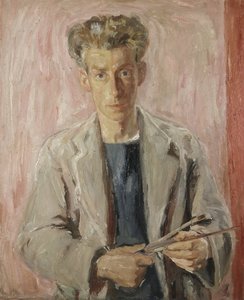
sir william george gillies
1898 - 1973 , United Kingdom
Quick Facts
- Birth Date: 1898
- Birth Place: Haddington, United Kingdom
- Death Date: 1973
- Influenced By:
- André Lhote
- Cézanne
- Braque
- Picasso
- Paul Klee
- Movement:
- Cubism
- Scottish Colourists
- Name: Sir William George Gillies
- Nationality: Scottish
- Notable Works:
- Young Boy with a Teapot
- Mediterranean Landscape with Overcast Sky
- Still Life – Yellow Jug and Striped Cloth
- The Origin of the Milky Way (after Jacopo Tintoretto)

