 Preview
 Send
Send Share
Share
 Details

 Download
 Similars
 X-Ray
X-Ray Diaporama
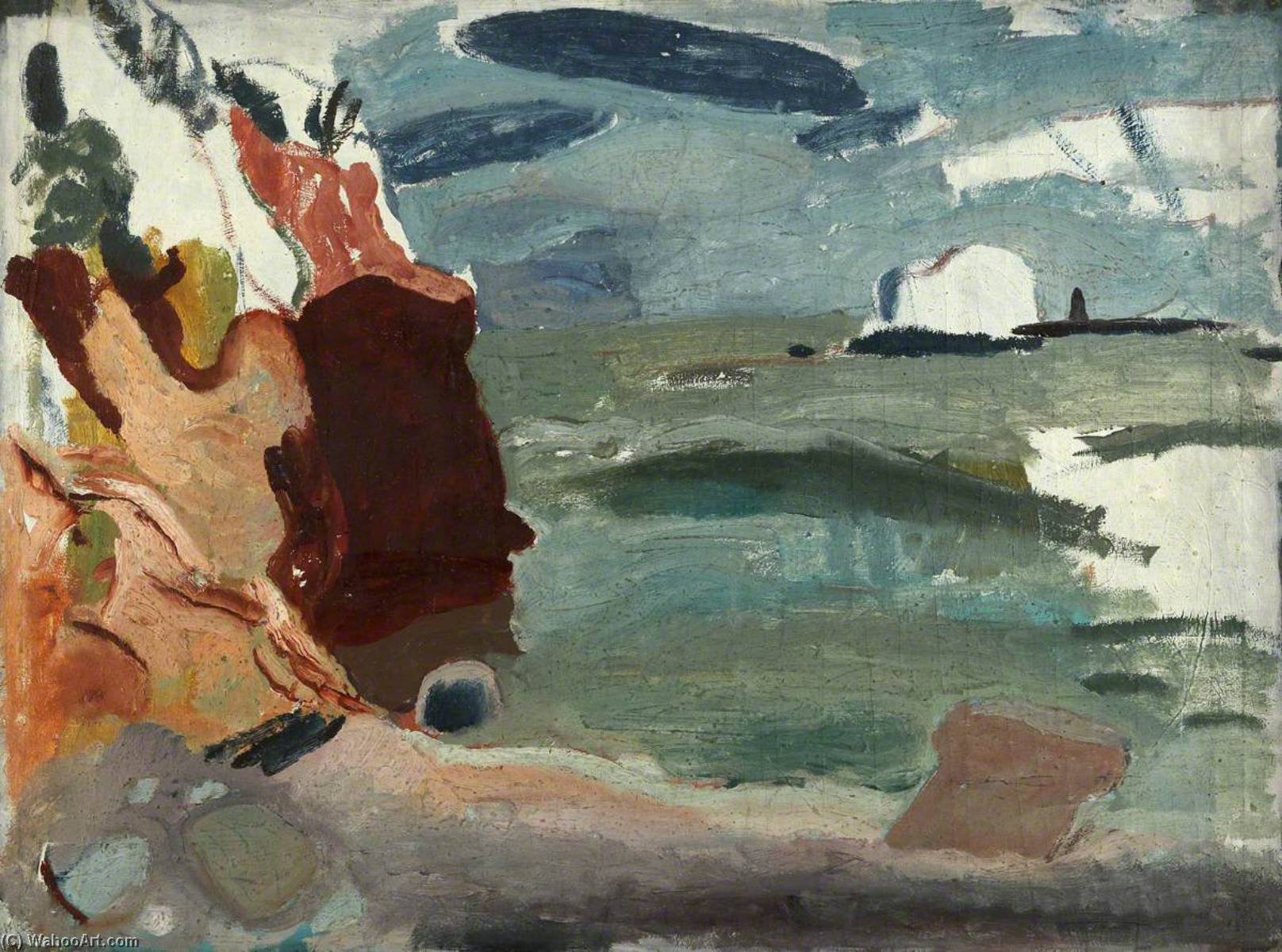
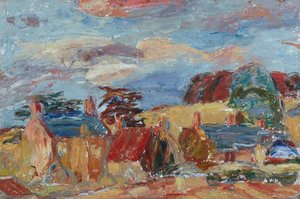
The Bass Rock from Seacliff
 Oil On Canvas
- WallArt
- Impressionism
 1929
1929 70.0 x 92.0 cm
 Royal Scottish Academy of Art - Architecture
 Read More
Giclée / Art Print
Museum-quality giclée or canvas print with fast production and flexible finish options. ( Buy Hand Made Painting Buy Image)




P118B $10

P118H $10

P118W $10

P438Z $10

P508JH $12

P508YH $12

P805H $10

P805Z $10

P919BZ $10

P919G $10

P919XJ $10

P959ZH $10

P968JZ $12

W106C $8

W218G $10

W218JH $8

W218Y $10

W307PJ $10

W316G $10

W316PJ $8

W316Y $10

W398PJ $8

W4111J $10

W500HY $15

W500JH $15

W692G $12

W849H $8

W940BG $15

W953PJ $8




Pick from our preset sizes that match the artwork's original proportions.

You may enter your own dimensions to fit a specific frame or space. If your selected size does not match the original image's proportions, we will either crop the artwork or extend the image with a mirrored or solid-fill edge. A digital mockup will be sent for your approval before production begins.
Please note that the on-screen preview does not reflect the actual cropping or extension. Only the mockup will accurately show the final composition.
While custom sizes are available, we recommend selecting a dimension from the predefined list to preserve the original proportions.
Worldwide Delivery () in 2 weeks instead of standard 4/5 weeks. (23 August)

Free Worldwide Express Shipping

High-Quality Linen Canvas

Full Shipping Insurance

Customs Tax Refund Guarantee

True Color Matching Guarantee

60-Day Return Policy (Defects Only)

100% Money-Back Guarantee

Bulk Discount Offer
 Glass option is only available in size under 110 CM

The Bass Rock from Seacliff
Giclée / Art Print
Reproduction Size
-


Total Price
$ 63
Collectible Description
A Dramatic Embrace: The Bass Rock’s Coastal Majesty
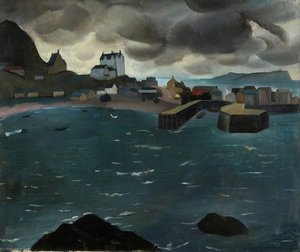
Sir William George Gillies' "The Bass Rock from Seacliff," painted in 1929, isn’t merely a landscape; it’s an immersive experience. Captured with the loose, expressive brushstrokes characteristic of his style, the painting immediately draws you into the rugged drama of the Scottish coastline. The subject – the imposing Bass Rock itself – dominates the composition, rising vertically from the churning sea like a colossal, weathered sentinel. Gillies masterfully employs atmospheric perspective; distant ships appear as hazy smudges against the horizon, subtly conveying depth and emphasizing the vastness of the Firth of Forth. The overall effect is one of powerful solitude, a feeling amplified by the muted palette and the artist’s deliberate avoidance of sharp detail.
Impressionistic Techniques: A Dance of Color and Texture
Gillies' choice of oil on canvas speaks volumes about his artistic approach. The texture is remarkably rich – visible brushstrokes build layers of color, creating a tangible sense of the rock’s rough surface and the restless energy of the sea. He utilizes a cool, predominantly blue-grey palette, punctuated by warmer ochres and browns in the cliffs themselves, suggesting both the dampness of the coastal environment and the inherent warmth of the stone. Notice how he blends colors not with precise blending but with quick, confident strokes, creating an impressionistic haze that softens edges and contributes to the painting’s dreamlike quality. The composition isn't rigidly structured; instead, it feels organically unfolding, mirroring the unpredictable nature of the coastline.
Echoes of Cubism and Klee: A Journey Through Artistic Influences
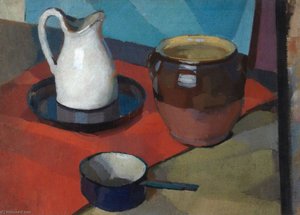
Gillies’ artistic journey reveals a fascinating evolution. Initially influenced by the geometric precision of Cubism – evident in his early work “Two Pots, Saucer and Fruit” – he later embraced the more imaginative color palettes and childlike quality championed by Paul Klee. This shift is subtly reflected here; while retaining a sense of structure, Gillies allows for a greater degree of emotional expression. The simplified forms of the cliffs and waves, combined with the vibrant yet restrained colors, evoke a feeling of both observation and subjective interpretation. His time studying under André Lhote in Paris undoubtedly shaped his early explorations of Cubism, while Klee’s influence instilled a willingness to experiment with color and form, pushing beyond purely representational concerns.
Symbolic Resonance: Isolation, Resilience, and the Passage of Time
Beyond its visual appeal, “The Bass Rock from Seacliff” carries significant symbolic weight. The imposing rock itself represents resilience – a solitary monument enduring centuries of relentless sea assault. Its isolation speaks to themes of solitude and contemplation, mirroring the historical experiences of those who sought refuge or faced imprisonment on its slopes. The turbulent sea, ever-present and dynamic, symbolizes the passage of time and the constant forces shaping the landscape. The inclusion of distant ships hints at human connection, yet ultimately underscores the rock’s detachment from everyday life. It's a painting that invites reflection on our relationship with nature, history, and the enduring power of the natural world.
A Timeless Masterpiece: Reproduction and Beyond
W.G. Gillies’ “The Bass Rock from Seacliff” is more than just a beautiful image; it's a testament to his artistic vision and skill. Reproductions, meticulously crafted by ArtsDot, capture the essence of the original while offering an accessible way to experience this remarkable artwork. Whether adorning a living room wall or gracing a corporate office, this painting’s evocative power continues to resonate, transporting viewers to the dramatic shores of Scotland and inviting them to contemplate the timeless beauty of the natural world.
Related Artworks


Artist Biography
Sir William George Gillies: A Life in Scottish Art
Early Life and Education
- Born: Haddington, East Lothian, United Kingdom, 1898.
- Gillies initially enrolled at the Edinburgh College of Art but his studies were interrupted by service in World War I with the Royal Engineers.
- Following the war, he returned to complete his education at the Edinburgh College of Art, graduating and subsequently becoming a dedicated teacher there for over 40 years.
Artistic Development and Influences
- Gillies’ artistic journey began with an exploration of Cubism after studying under André Lhote in Paris (1923) and traveling to Italy (1924).
- Early works, like “Two Pots, Saucer and Fruit” (1933), demonstrate this influence, showing a Cézanne-inspired arrangement with Braque and Picasso’s understated color palettes.
- A pivotal moment came in 1934 when he encountered the work of Paul Klee, inspiring him to adopt a more imaginative use of colour and childlike qualities in his compositions.
- He gradually moved away from strict Cubism, developing a distinctive style rooted in Scottish landscape and still life traditions.
The 1922 Group and Collaborative Spirit
- In 1922, Gillies co-founded the “1922 Group” alongside fellow artists including William Crozier, William Geissler, and William MacTaggart.
- This exhibition society provided a platform for emerging Scottish artists to showcase their work at the New Gallery in Edinburgh for a decade.
- The group fostered a sense of community and innovation within the Scottish art scene.
Themes and Subject Matter
- Landscapes: Gillies is renowned for his depictions of the Lothian, Fife, and Border regions of Scotland. He captured the essence of these landscapes with a sensitive eye.
- Still Lifes: Still life compositions were another significant focus, often featuring ceramics created by his younger sister, Emma Smith Gillies, whose premature death in 1936 deeply affected him.
- Portraiture: While he experimented with portraiture early in his career, landscapes and still lifes became his primary subjects.
Major Achievements and Recognition
- Gillies served as Principal of the Edinburgh College of Art from 1959 until his retirement in 1966.
- His prolific output and dedication to teaching had a profound influence on generations of Scottish painters.
- He was elected a Royal Academician (RA), signifying significant recognition within the art world.
Historical Significance and Legacy
- Sir William George Gillies is considered one of Scotland’s most important 20th-century painters.
- His work bridges the gap between early modernism and a distinctly Scottish artistic identity.
- Legacy: His influence extends beyond his paintings, shaping the direction of Scottish art through his teaching and mentorship.
- He died in 1973, leaving behind a rich body of work that continues to be celebrated for its beauty, sensitivity, and enduring relevance.
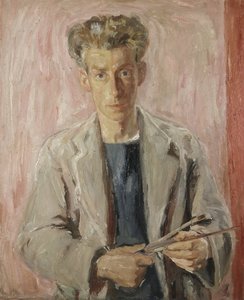
sir william george gillies
1898 - 1973 , United Kingdom
Quick Facts
- Birth Date: 1898
- Birth Place: Haddington, United Kingdom
- Death Date: 1973
- Influenced By:
- André Lhote
- Cézanne
- Braque
- Picasso
- Paul Klee
- Movement:
- Cubism
- Scottish Colourists
- Name: Sir William George Gillies
- Nationality: Scottish
- Notable Works:
- Young Boy with a Teapot
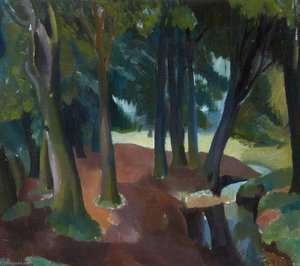
- Mediterranean Landscape with Overcast Sky
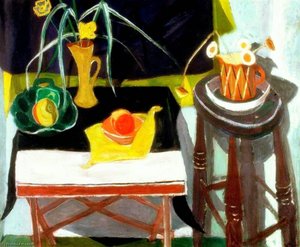
- Still Life – Yellow Jug and Striped Cloth
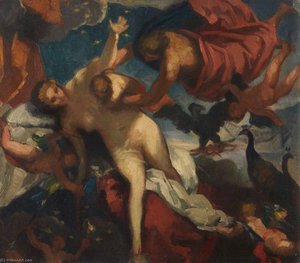
- The Origin of the Milky Way (after Jacopo Tintoretto)
Related Articles

Impressionistic Landscapes: 10 Masterpieces That Changed Art & Decor
Journey into the heart of Impressionism! Explore 10 masterpieces by Monet, Renoir & Degas that revolutionized landscape art. Discover their stories, techniques & find museum-quality reproductions to elevate your home decor on ArtsDot.com.
Impressionist Landscapes: 10 Masterpieces for Your Home | ArtsDot
Journey through 10 iconic Impressionist landscapes by Monet, Renoir & Degas. Explore the history, techniques & emotions behind these masterpieces. Find museum-quality reproductions for your home at ArtsDot.com – where art comes to life! Discover all masterpieces on ArtsDot.com
Sir William George Gillies: A Scottish Colourist's Journey Through Landscape & Abstraction
Explore the captivating world of Sir William George Gillies, a leading Scottish Colourist. Discover his journey from Cubism to iconic landscapes & still lifes. Expert insights for collectors and art enthusiasts.
The Allure of the Horizon: A Comprehensive Exploration of Seascape Art Through History & Emotion
Explore the captivating world of seascape art! Discover its history, key artists & movements – from Dutch Masters to Impressionism. Expert insights for collectors and enthusiasts at ArtsDot.
Evoking the Horizon: A Historical & Artistic Exploration of Coastal Scenes in Painting
Explore the rich history of coastal scenes in painting! Discover Impressionist masterpieces, American realism & contemporary visions. Learn about renowned artists and find your perfect seascape at ArtsDot.