Preview
 Send
Send Share
Share
 Details

 Download
 Similars
 X-Ray
X-Ray Diaporama
 Stats
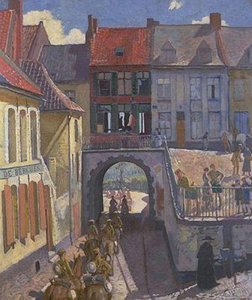
StatsSoldiers at Cany
 Oil
Oil- WallArt
- Realism
 1900
1900- 19th Century
 51.0 x 61.0 cm
 Government Art Collection
 Read More
Hand Made Oil Reproduction
Hand-painted oil on canvas in your size and frame, made to order by our artists. ( Switch to Print Switch to Digital Image)




P118B $10

P118H $10

P118W $10

P438Z $10

P508JH $12

P508YH $12

P805H $10

P805Z $10

P919BZ $10

P919G $10

P919XJ $10

P959ZH $10

P968JZ $12

W106C $8

W218G $10

W218JH $8

W218Y $10

W307PJ $10

W316G $10

W316PJ $8

W316Y $10

W398PJ $8

W4111J $10

W500HY $15

W500JH $15

W692G $12

W849H $8

W940BG $15

W953PJ $8
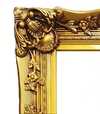
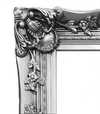
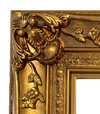
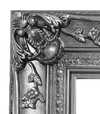
Pick from our preset sizes that match the artwork's original proportions.

You may enter your own dimensions to fit a specific frame or space. If your selected size does not match the original image's proportions, we will either crop the artwork or extend the painting with additional hand-painted elements. A digital mockup will be sent for your approval before production begins.
Please note that the on-screen preview does not reflect the actual cropping or extension. Only the mockup will accurately show the final composition.
While custom sizes are available, we recommend selecting a dimension from the predefined list to preserve the original proportions.
After order, ArtsDot.com team will email client for instructions and provide a mockup preview
Worldwide Delivery () in 3/4 weeks instead of standard 5 weeks. (15 September). No compromise on quality.

Free Worldwide Express Shipping

High-Quality Linen Canvas

Full Shipping Insurance

Customs Tax Refund Guarantee

True Color Matching Guarantee

100-Day Return Policy (Defects Only)

100% Money-Back Guarantee

Bulk Discount Offer
 Glass option is only available in size under 110 CM

Soldiers at Cany
Reproduction Medium
Reproduction Size
-


Total Price
$ 263
A Moment of Quietude in the Countryside
In the gentle light of a turn-of-the-century afternoon, Sir William Newenham Montague Orpen captures a scene of profound, unassuming tranquility. Soldiers at Cany invites the viewer to step into a pastoral landscape where the weight of duty is momentarily suspended by the beauty of the Irish countryside. The painting depicts three travelers, likely soldiers given their heavy backpacks, navigating a winding road that leads toward a distant, sun-dappled town. There is a rhythmic grace to their movement; one figure leads on the left, while his companions follow closely in a pair, creating a sense of shared journey and companionship. The presence of horses, resting or moving slowly in the periphery, adds to the slow, deliberate pulse of the scene, suggesting a world where time is measured not by the ticking of a clock, but by the steady pace of a walking stride.
Orpen, an artist whose lineage was steeped in the creative and intellectual traditions of Ireland, demonstrates here his mastery of atmosphere. The technique employs a soft, painterly touch that blurs the edges of the distant buildings, allowing the town to emerge like a memory from the hazy horizon. This use of light and shadow creates a sense of depth that pulls the eye through the composition, from the textured foreground of the road to the ethereal backdrop of the hills. The color palette is grounded in the earthy tones of the landscape—muted greens, warm ochre, and soft browns—which imbue the work with an organic, breathing quality. It is a masterful display of how light can transform a mundane moment of transit into something poetic and timeless.
Symbolism and the Emotional Resonance of the Journey
Beyond its literal depiction of soldiers on the move, the artwork serves as a poignant metaphor for the human condition and the concept of the journey itself. The heavy packs carried by the men symbolize the burdens we all bear, yet the peaceful setting suggests that these weights can be carried with dignity amidst beauty. There is a subtle tension between the potential for conflict—implied by the soldiers' presence—and the overwhelming stillness of the landscape. This juxtaposition creates an emotional resonance that is both comforting and contemplative, making it an ideal piece for those who find solace in the quiet strength of nature.
For the discerning collector or interior designer, Soldiers at Cany offers more than mere decoration; it provides a window into a lost era of grace. The painting’s ability to anchor a room with its historical weight and serene mood makes it a versatile choice for sophisticated spaces. Whether placed in a study filled with books or a grand living area, the work acts as a focal point of calm, encouraging viewers to pause and reflect. As a high-quality reproduction, this piece allows the legacy of Orpen’s delicate brushwork and his ability to capture the soul of the Irish landscape to become a permanent part of your personal sanctuary.
Related Artworks
Artist Biography
Early Life
William Newenham Montague Orpen (1878–1931) was born in Stillorgan, County Dublin, Ireland, the fourth and youngest son of Arthur Herbert Orpen (1830–1926), a solicitor, and his wife, Anne Caulfield (1834–1912), the eldest daughter of the Right Rev. Charles Caulfield (1804–1862), the Bishop of Nassau. Both his parents were amateur painters, fostering an early appreciation for artistic pursuits within the family. His eldest brother, Richard Caulfield Orpen, became a notable architect, shaping the familial legacy in distinct creative fields. The historian Goddard Henry Orpen was his second cousin, cementing connections within a prominent Irish intellectual circle. Growing up at ‘Oriel’, a sprawling estate with extensive grounds including stables and a tennis court, William enjoyed a privileged upbringing characterized by artistic encouragement and access to resources that would prove invaluable for his future endeavors. His formative years instilled in him a profound understanding of visual culture and established a lifelong fascination with capturing the essence of human experience through art.Education and Artistic Training
Orpen’s artistic journey commenced at a remarkably young age when he enrolled at the Dublin Metropolitan School of Art at thirteen. Demonstrating exceptional talent from the outset, he swiftly dominated every competition held there, securing accolades that foreshadowed a brilliant career trajectory. This early success propelled him to the Slade School of Fine Art in London, where he honed his skills under masters like Henry Tonks and Philip Wilson Steer, absorbing techniques while simultaneously cultivating a distinctive style characterized by bold draughtsmanship and an almost photographic realism. The Slade’s emphasis on meticulous observation and tonal modulation profoundly influenced Orpen's artistic sensibilities. He embraced *plein air* painting—capturing the fleeting effects of light and atmosphere outdoors—developing a masterful command of color and texture. His instructors recognized his innate aptitude for portraying human form with unparalleled accuracy, shaping him into one of Britain’s foremost portraitists.The Edwardian Portraitist
Orpen quickly established himself as a sought-after portraitist during the Edwardian era—a period marked by opulent social life and artistic innovation. His portraits possessed an unsettling honesty, revealing psychological complexities beneath polished surfaces—setting him apart from more conventional artists of his time. He skillfully employed mirrors in his compositions to create images within images, adding false frames and collages around his subjects—techniques that reflected a broader interest in illusion and perception. Notable among his commissions were depictions of prominent figures—politicians, socialites, and members of the artistic community—each portrait imbued with an evocative atmosphere and capturing the sitter’s inner character.World War I Service and Artistic Output
The outbreak of World War I irrevocably altered Orpen's path and cemented his place in art history. Appointed as an official war artist by the British government, he found himself thrust into the heart of the conflict—documenting the brutal realities of trench warfare with a starkness rarely seen at the time. Unlike many artists who focused on heroic narratives, Orpen depicted the grim toll of war—the exhausted soldiers, the desolate landscapes, and the haunting presence of death—producing an astonishing 138 drawings and paintings that he generously donated to the British government. His access to the front lines—facilitated by connections within the army’s upper echelons—allowed him a unique perspective, exposing him to profound trauma that would deeply affect his later life and work. Among his most celebrated works are *The Trench*, *A Soldier’s Christmas Dinner* and *The Fallen Warrior*, which powerfully convey the psychological impact of war on the human spirit.Technique and Influences
Orpen's artistic development was shaped by a diverse range of influences. The Dutch Masters—particularly those specializing in interior scenes—informed his meticulous attention to detail and mastery of light and shadow. Jan van Eyck’s *Arnolfini Portrait* served as a recurring motif, appearing subtly referenced in works like *The Mirror*, demonstrating Orpen’s fascination with symbolism and the interplay between reality and representation. He admired Édouard Manet—adopting his directness of execution and rejection of academic conventions—embracing a stylistic approach that prioritized expressive power over formal adherence.Legacy and Rediscovery
Despite his wartime service and accolades—including knighthood in 1918—Orpen’s later years were marked by a decline in both health and reputation. His relentless dedication to documenting the war had taken its toll, leaving him physically and emotionally exhausted. Furthermore, his personal life was plagued by scandal—stemming from an affair with a married woman that became public knowledge—leading to considerable social censure. Critics dismissed his work as superficial and lacking in depth—a judgment that persisted for decades after his death in 1931. However, in recent years, there has been a growing reassessment of Orpen’s contribution to art history—scholars recognizing the power and complexity of his wartime paintings—and acknowledging his innovative techniques and willingness to challenge conventions as precursors to modernism.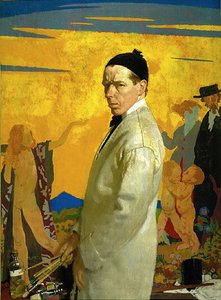
Sir William Newenham Montague Orpen
1878 - 1931 , Ireland
Quick Facts
- Artistic Movement Or Style: Edwardian Portraiture; Impressionism
- Artists Or Movements Influenced By This Artist: ['Celtic Revival']
- Artists Who Influenced This Artist:
- Jan van Eyck
- Édouard Manet
- Date Of Birth: November 27, 1878
- Full Name: William Newenham Montague Orpen
- Nationality: Irish
- Notable Artworks:
- The Mirror
- David Beatty, 1st Earl Beatty
- Study for The Holy Well
- Place Of Birth: Stillorgan, County Dublin, Ireland
Related Articles

Romantic Landscapes: 10 Masterpieces for Your Home | ArtsDot
Journey through 10 Romantic landscape masterpieces by Friedrich, Turner & Cole. Explore emotional art, sublime nature scenes & iconic 19th-century paintings. Find museum-quality reproductions for your home at ArtsDot.com – discover the full collection online!

John Constable's Masterpieces: Explore 25 Iconic Landscapes for Your Home
Journey through John Constable's 25 most celebrated landscapes. Explore Romanticism, Dedham Vale & his masterful use of light in iconic paintings like 'Hay Wain'. Find museum-quality art reproductions and elevate your home decor on ArtsDot.com.

Evocations of Place: A Historical Journey Through Landscape Art
Explore the rich history of landscape art with ArtsDot. Discover renowned artists, movements like Impressionism & Romanticism, and expert guidance for collecting timeless pieces. Find your perfect serene escape today!

Evocations of Place: A Historical Journey Through Landscape Art
Explore the rich history of landscape art with ArtsDot. Discover renowned artists, movements like Impressionism & tonalism, and expert guidance for collecting timeless pieces. Find your perfect serene escape today!

Hokusai's Masterpieces: 25 Iconic Prints & Paintings for Art Lovers | ArtsDot
Journey through Katsushika Hokusai’s 25 most iconic artworks, including *The Great Wave*. Explore the ukiyo-e master's history, style & timeless Japanese woodblock prints. Find museum-quality reproductions for your home at ArtsDot.com.