

 Preview
 Send
Send Share
Share
 Details

 Download
 Similars
 X-Ray
X-Ray Diaporama
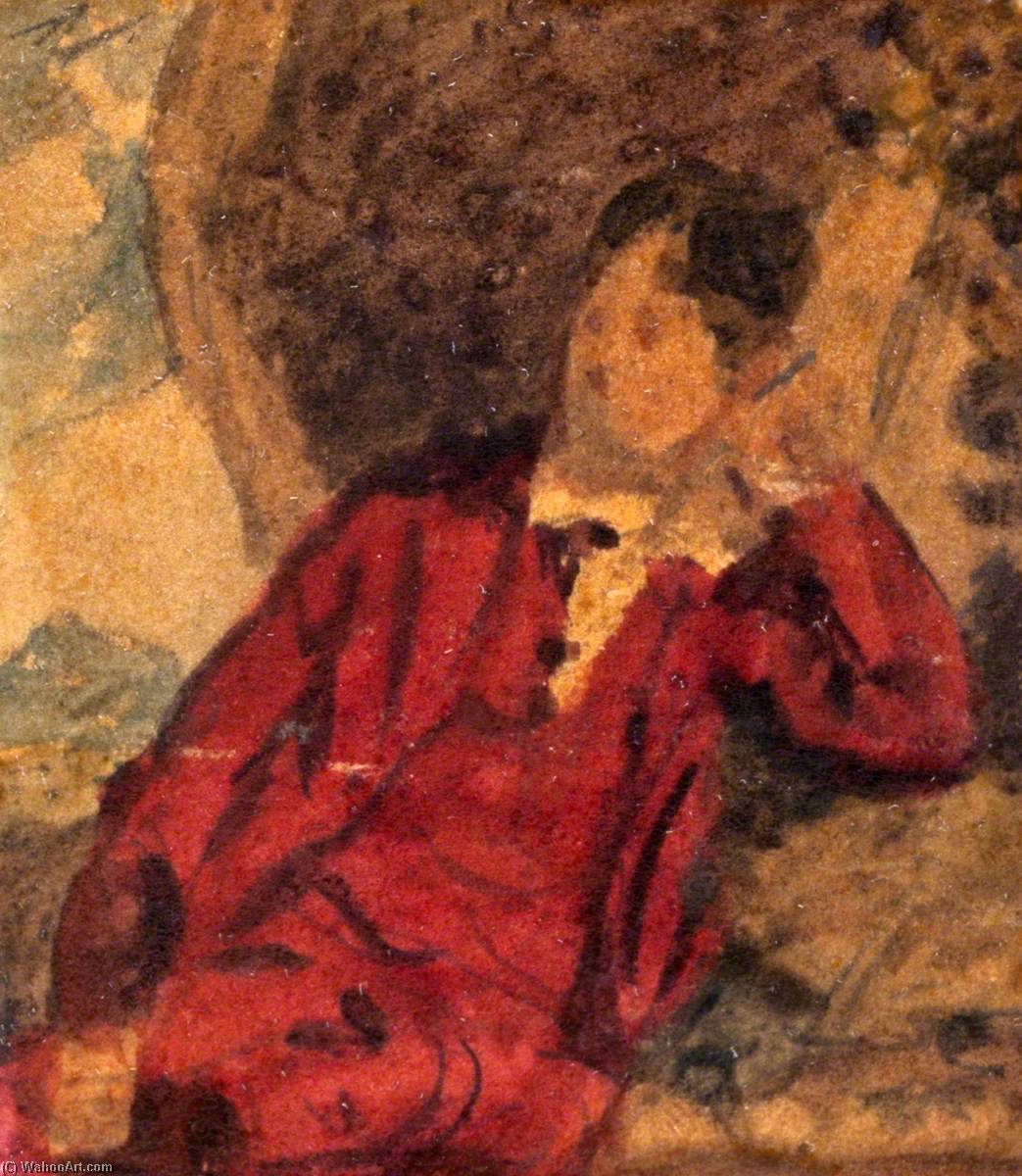
Album Copies of Old Masters and other Paintings (no.24, p.11)
 Painting
- Impressionist Painting
 19th Century
 4.0 x 3.0 cm
 Royal Scottish Academy of Art - Architecture
 Read More
Purchase a high-resolution, enhanced digital image, far superior to the online preview.
Each file is meticulously prepared by our in-house specialists using advanced tools and expert manual retouching. We ensure every image has exceptional clarity, precise color accuracy, and fine detail.
The final file is delivered via email within 72 hours, optimized for immediate use in professional, editorial, and print environments. This is the same quality trusted by top-tier design studios, publishers, and galleries.
Digital Image
Download a high-resolution file for personal display, printing, and creative projects. ( Buy Print Buy Hand Made Painting)
Included in Every Digital Image Order
Expert Digital Delivery, Guaranteed
When you choose ArtsDot.com, you're not just getting an image - you're receiving a professionally enhanced digital artwork, crafted with precision and backed by a satisfaction guarantee. Here's everything that comes with your order, automatically:

Fast Email Delivery
Your high-resolution digital image file will be emailed to you within 72 hours of ordering - ready for immediate use.

AI-Enhanced Digital File
Your artwork is professionally optimized using advanced AI tools and manual editing, ensuring maximum detail, clarity, and color accuracy.

Free Lifetime Re-Delivery
Accidentally deleted or lost your file? No worries - we'll resend it to you anytime, free of charge.

No Import Fees - Ever
Enjoy your artwork instantly with zero customs, duties, or delivery fees - digital downloads are always tax-free.

Color Accuracy Guarantee
We ensure your digital image reflects the original colors as closely as possible using professional tools and color management.

60-Day Satisfaction Guarantee
If you're not satisfied with your digital image, we'll revise it or refund 100% within 60 days - no questions asked.

100% Money-Back Guarantee
Not satisfied? Get a full refund within 60 days of receiving your digital file - no questions asked.

Bulk Order Discounts
Buy 3 images, save 10% - Buy 5, save 15% - Buy 10+, save 20%. Great for creative projects, galleries, and agencies.
A Moment of Quietude Captured in Miniature
In the delicate, intimate scale of Album Copies of Old Masters and other Paintings (no.24, p.11), we encounter a profound sense of stillness that transcends its diminutive size. This exquisite work by Sir William Nicholson presents a man ensconced in a moment of deep repose, his hands clasped behind his head as he reclines within an ornate chair. The subject’s vibrant red attire serves as a striking focal point, a warm pulse of color against the more muted, atmospheric surroundings. There is an undeniable charm in this composition; it captures a private, unobserved breath—a snapshot of relaxation that feels both timeless and deeply personal. For the collector or interior designer, such a piece offers a window into a world of quiet contemplation, making it an ideal accent for a curated gallery wall or a sophisticated study.
The technique employed here speaks to Nicholson’s mastery of light and texture, reminiscent of the 19th-century Impressionist tradition. Though the painting is remarkably small, measuring only 4 x 3 cm, the artist manages to imbue the scene with a palpable sense of depth and atmosphere. The play of light across the folds of the red fabric and the intricate details of the chair suggest a careful study of how illumination interacts with form. This mastery of light creates a soft, almost dreamlike quality, where the boundaries between the subject and his environment blur into a harmonious whole. The brushwork, while precise enough to define the ornate carvings of the furniture, retains a fluid grace that prevents the miniature from feeling static.
Historically, this work sits within a fascinating lineage of artistic homage. As part of an album of copies, Nicholson engages in a dialogue with the Old Masters, reinterpreting classical themes through a modern, early 20th-century lens. This practice of "copying" was not merely an exercise in imitation but a profound way for artists to absorb the soul of previous eras. By blending the structural discipline of the masters with his own unique sensibility, Nicholson creates something entirely new—a piece that feels both nostalgic and fresh. The symbolism of the relaxed figure suggests themes of peace, vulnerability, and the beauty found in leisure, offering an emotional resonance that can transform a room's ambiance from mere decoration to a space of soulful reflection.
Related Artworks

Artist Biography
Early Life and Artistic Beginnings
Sir William Newzam Prior Nicholson, born in Newark-on-Trent in 1872, emerged from a background that blended industrial pragmatism with artistic sensibility. His father, a successful engineer and Conservative MP, instilled a sense of discipline, while his mother’s lineage connected him to the aesthetic traditions of Oxfordshire. From a young age, Nicholson displayed an aptitude for art, nurtured by lessons from William Cubley, a local painter who himself traced his artistic roots back to Sir Joshua Reynolds. This early exposure laid the foundation for a career that would span diverse mediums and styles. A brief stint at Hubert von Herkomer’s art school proved pivotal, not only for honing his skills but also for introducing him to Mabel Pryde, who would become his wife and an essential collaborator in his burgeoning artistic journey. It was through Mabel that he met her brother, James Pryde, a partnership that would soon revolutionize the world of graphic design.The Beggarstaffs and a Revolution in Poster Art
The collaboration between William Nicholson and James Pryde, known as “J. & W. Beggarstaff,” marked a turning point in British visual culture. Rejecting the prevailing ornate aesthetic of Victorian posters, they embraced a bold simplicity characterized by striking silhouettes, flat planes of color, and a deliberate rejection of traditional perspective. Their designs weren’t merely advertisements; they were statements—powerful, graphic compositions that captured the public's imagination. Posters for productions like Don Quixote and publications such as Harper’s Magazine became instantly recognizable, influencing a generation of artists and designers. This period wasn’t simply about commercial art; it was about redefining visual communication itself. The Beggarstaffs’ work challenged conventions, paving the way for modern graphic design and establishing Nicholson's reputation as an innovator. Their impact resonated far beyond the realm of posters, influencing illustration and even painting with its emphasis on strong form and deliberate composition.From Woodcuts to Portraits: A Developing Style
Following the dissolution of the Beggarstaff partnership, Nicholson embarked on a period of stylistic exploration. He turned his attention to woodcut and wood-engraving, techniques that allowed him to further refine his mastery of line and form. Encouraged by the influential James McNeill Whistler, he embraced these methods, producing intricate and evocative prints that showcased his growing artistic maturity. These works demonstrated a remarkable ability to capture essence with minimal detail, a quality that would become a hallmark of his style. Simultaneously, Nicholson began to establish himself as a portrait painter, receiving commissions from prominent figures of the era. His portraits weren’t merely likenesses; they were insightful studies of character, revealing the inner lives of his subjects through subtle nuances of expression and pose. Works like *Lady in Furs, Mme. P.* exemplify this skill, capturing not just physical appearance but also a sense of personality and social standing.Still Life, Landscape, and Lasting Legacy
In the later stages of his career, Nicholson increasingly focused on still life and landscape painting. His still lifes, such as *The Lowestoft Bowl*, are celebrated for their exquisite attention to detail, harmonious color palettes, and a quiet sense of intimacy. He imbued everyday objects with a poetic quality, elevating them beyond mere representation to become symbols of beauty and contemplation. His landscapes, often depicting scenes from his travels in Spain and Italy, reveal a sensitivity to light and atmosphere, capturing the essence of place with remarkable skill. Throughout his life, Nicholson remained a versatile artist, constantly experimenting with new techniques and approaches. He authored children’s books, designed for the theatre, and continued to produce prints alongside his paintings. Sir William Nicholson's influence extends beyond his own prolific output; he inspired generations of artists with his commitment to craftsmanship, his innovative spirit, and his ability to find beauty in the ordinary. His work remains a testament to the power of art to illuminate the human experience and transform our perception of the world around us. He died in 1949, leaving behind a rich artistic legacy that continues to captivate and inspire today.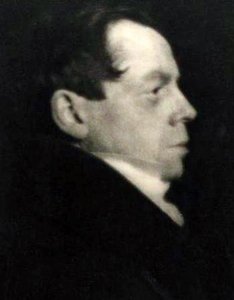
Sir William Nicholson
1872 - 1949 , United Kingdom
Quick Facts
- Artistic Movement Or Style: Still life, portraiture
- Artists Who Influenced This Artist:
- James Pryde
- Whistler
- Date Of Birth: February 5, 1872
- Date Of Death: May 16, 1949
- Full Name: Sir William Newzam Prior Nicholson
- Nationality: British
- Notable Artworks:
- Lady in Furs
- The Lowestoft Bowl
- Plaza de toros, Malaga
- Place Of Birth: Newark, United Kingdom

