 Preview
 Send
Send Share
Share
 Details

 Download
 Similars
 X-Ray
X-Ray Diaporama
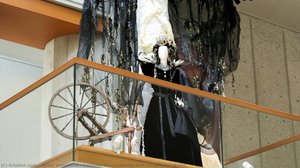
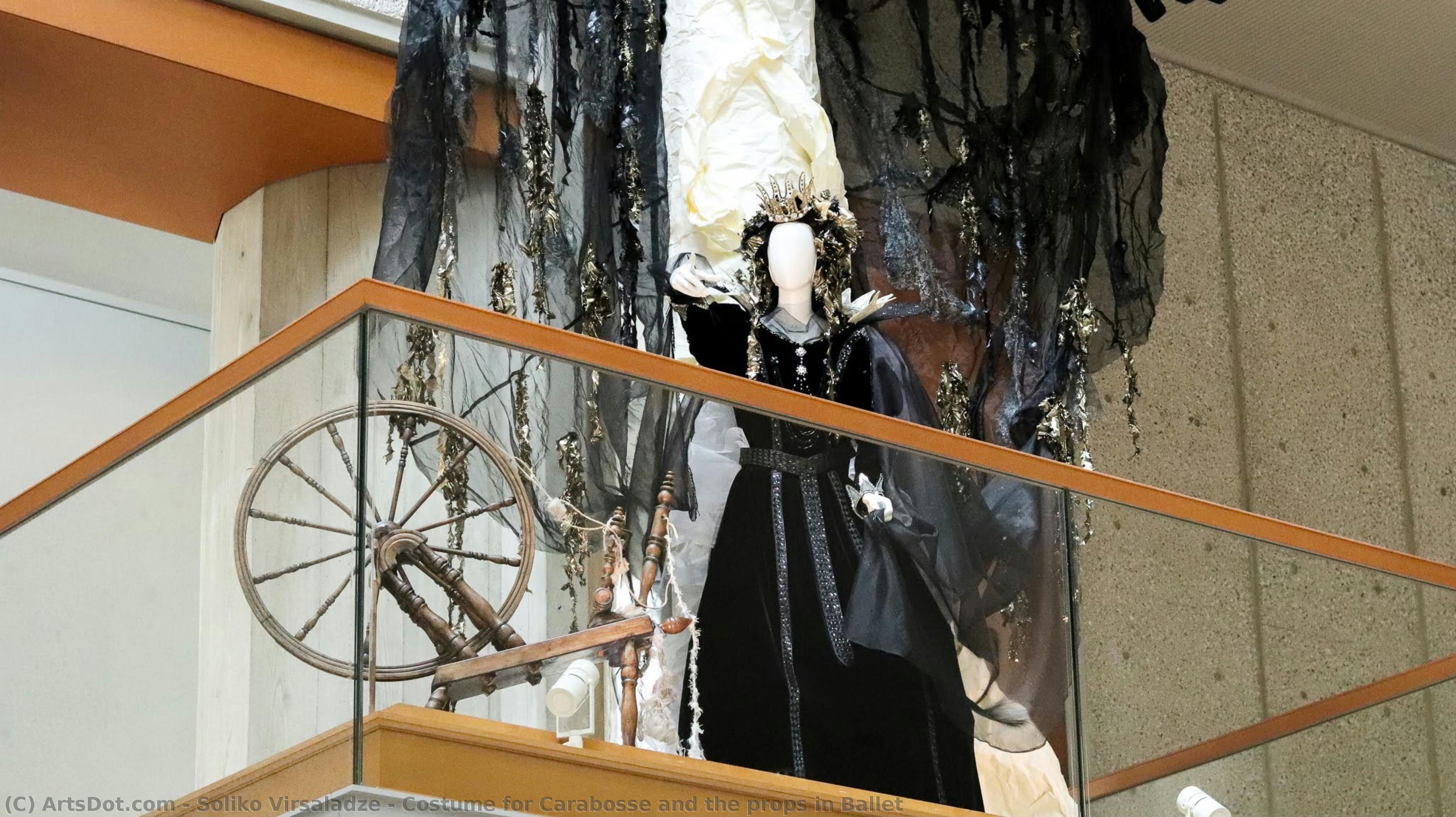
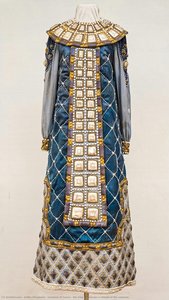
Costume for Carabosse and the props in Ballet

 Read More
Hand Made Oil Reproduction
Hand-painted oil on canvas in your size and frame, made to order by our artists. ( Buy Print Buy Image)




































Pick from our preset sizes that match the artwork's original proportions.

You may enter your own dimensions to fit a specific frame or space. If your selected size does not match the original image's proportions, we will either crop the artwork or extend the painting with additional hand-painted elements. A digital mockup will be sent for your approval before production begins.
Please note that the on-screen preview does not reflect the actual cropping or extension. Only the mockup will accurately show the final composition.
While custom sizes are available, we recommend selecting a dimension from the predefined list to preserve the original proportions.
After order, ArtsDot.com team will email client for instructions and provide a mockup preview
Worldwide Delivery () in 3/4 weeks instead of standard 5 weeks. (4 September). No compromise on quality.

Free Worldwide Express Shipping

High-Quality Linen Canvas

Full Shipping Insurance

Customs Tax Refund Guarantee

True Color Matching Guarantee

60-Day Return Policy (Defects Only)

100% Money-Back Guarantee

Bulk Discount Offer
 Glass option is only available in size under 110 CM

Costume for Carabosse and the props in Ballet
Reproduction Medium
Reproduction Size
-


Total Price
$ 263
Related Artworks










Artist Biography
Soliko Virsaladze: Architect of Georgian Ballet’s Golden Age
Soliko Virsaladze (Georgian: სოლომონ(სოლიკო) ვირსალაძე; 13 January 1909 – 7 February 1989) stands as a monumental figure in Georgian artistic history, recognized primarily for his transformative contributions to ballet design during the Soviet era. Born in Tbilisi, Georgia, Virsaladze’s early life was marked by an innate fascination with both dance and visual arts—a duality that would profoundly shape his career trajectory. He embarked on formal studies in Tbilisi State University, initially focusing on architecture before pivoting towards ballet as a vocation. This dual grounding provided him with a unique perspective, allowing him to synthesize artistic principles into breathtaking theatrical productions.- Early Influences & Education: Virsaladze’s formative years instilled within him an appreciation for classical aesthetics and meticulous craftsmanship—qualities that would become hallmarks of his design style. His academic pursuits fostered a deep understanding of spatial composition and structural integrity, concepts he skillfully translated into the dramatic landscapes of ballet sets.
- The Theatre of Opera and Ballet & Early Career: Virsaladze’s directorial debut at Tbilisi State Opera and Ballet Theatre in 1932 cemented his position as a rising talent. He swiftly established himself as a visionary designer, notably overseeing the ambitious production of Vakhtang Chabukiani's “The Heart of the Hills” in 1938—a landmark achievement that showcased his ability to capture the essence of Georgian folklore and translate it into striking visual imagery.
Collaboration with Iliko Sukhishvili & The Birth of Georgian National Ballet Virsaladze’s partnership with Iliko Sukhishvili, considered the father of Georgian ballet, proved pivotal in shaping the nation's artistic identity. Together they spearheaded the creation of Georgian National Ballet Company, establishing a new aesthetic that prioritized expressive movement and stylized costumes—a deliberate departure from Western conventions. Their collaborative efforts resulted in productions like “Romeo and Juliet” and “Boris Godunov,” which cemented Virsaladze’s reputation as a master of theatrical illusion and visual storytelling. The meticulous attention to detail evident in Sukhishvili's choreography and Virsaladze’s designs became synonymous with Georgian ballet’s distinctive character.
- The Bolshoi Ballet & Yuri Grigorovich: Virsaladze’s influence extended beyond Georgia, reaching the prestigious Bolshoi Theatre in Moscow where he collaborated extensively with choreographer Yuri Grigorovich. Their fruitful partnership produced iconic ballets such as “Spartacus,” “Anna Karenina,” and “Boris Yeltsin,” demonstrating Virsaladze's adaptability to diverse artistic visions while maintaining his signature commitment to grandeur and theatrical impact.
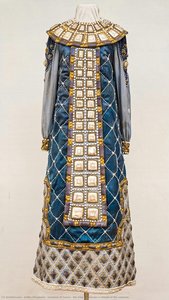
- Costume Design: A Symbol of Georgian Identity Virsaladze’s costume designs were particularly noteworthy. He meticulously researched Georgian traditions, incorporating vibrant colors, intricate patterns, and symbolic motifs—elements that conveyed the spirit of Georgia's history and culture. Pieces like “Costume of Tamar” exemplify his dedication to preserving cultural heritage through artistic expression.
Legacy & Artistic Significance Soliko Virsaladze’s oeuvre represents more than just aesthetically pleasing productions; it embodies a conscious effort to elevate Georgian ballet to international prominence. His designs served as catalysts for innovation, inspiring subsequent generations of artists and solidifying his place among the foremost figures in Soviet theatrical design. Beyond his technical prowess, Virsaladze's work speaks to a broader cultural narrative—a celebration of Georgian heritage and a testament to the transformative power of artistic collaboration. He died peacefully in Tbilisi in 1989, leaving behind an indelible mark on Georgian art and culture.
soliko virsaladze
1909 - 1989 , Georgia
Quick Facts
- Artistic Movement Or Style: Ballet design
- Artists Or Movements Influenced By This Artist: ['Soviet Ballet']
- Artists Who Influenced This Artist: ['Yury Grigorovich']
- Date Of Birth: January 13, 1909
- Date Of Death: February 7, 1989
- Full Name: Soliko Virsaladze
- Nationality: Georgian
- Notable Artworks:
- The Heart of the Hills
- Costume of Tamar
- Place Of Birth: Tbilisi, Georgia