 Preview
 Send
Send Share
Share
 Details

 Download
 Similars
 X-Ray
X-Ray Diaporama
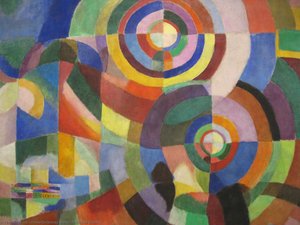
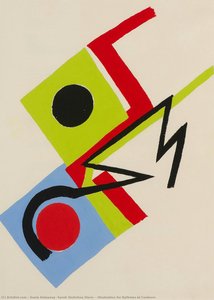
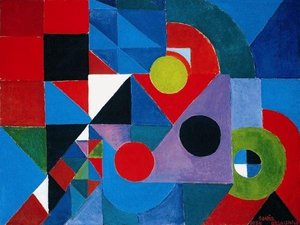
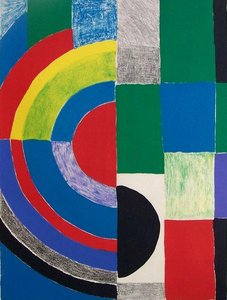
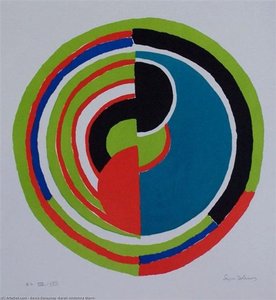
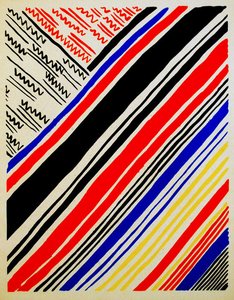
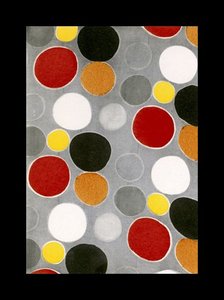
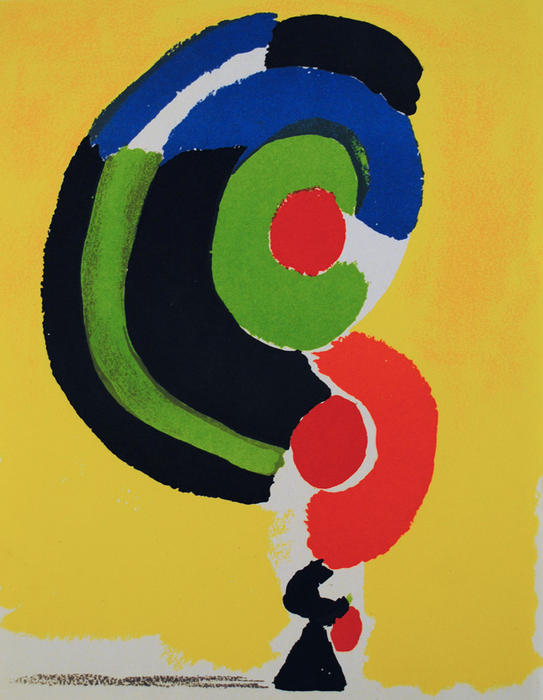
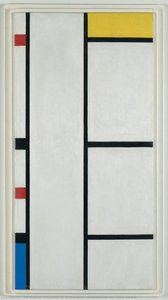
Composition for XXe Siecle


 Read More
Hand Made Oil Reproduction
Hand-painted oil on canvas in your size and frame, made to order by our artists. ( Buy Print Buy Image)




































Pick from our preset sizes that match the artwork's original proportions.

You may enter your own dimensions to fit a specific frame or space. If your selected size does not match the original image's proportions, we will either crop the artwork or extend the painting with additional hand-painted elements. A digital mockup will be sent for your approval before production begins.
Please note that the on-screen preview does not reflect the actual cropping or extension. Only the mockup will accurately show the final composition.
While custom sizes are available, we recommend selecting a dimension from the predefined list to preserve the original proportions.
After order, ArtsDot.com team will email client for instructions and provide a mockup preview
Worldwide Delivery () in 3/4 weeks instead of standard 5 weeks. (17 August). No compromise on quality.

Free Worldwide Express Shipping

High-Quality Linen Canvas

Full Shipping Insurance

Customs Tax Refund Guarantee

True Color Matching Guarantee

60-Day Return Policy (Defects Only)

100% Money-Back Guarantee

Bulk Discount Offer
 Glass option is only available in size under 110 CM

Composition for XXe Siecle
Reproduction Medium
Reproduction Size
-


Total Price
$ 263
Related Artworks
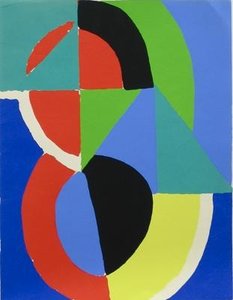
Artist Biography
Sonia Delaunay: A Kaleidoscope of Color and Geometric Innovation
Sonia Delaunay, born Sarah Ilinitchna Stern in 1885 within the vibrant atmosphere of Kiev, Ukraine, remains a monumental figure whose brushstrokes helped redefine the boundaries of modern art. Her journey was one of profound transformation, moving from the classical foundations of her early training to the radical frontiers of abstraction. While her marriage to Robert Delaunay in 1912 is often cited as a pivotal moment of artistic partnership, Sonia was far more than a collaborator; she was a visionary architect of color. Together, they spearheaded the Orphism movement, a revolutionary departure from traditional representation that sought to liberate art from the constraints of depicting reality, instead prioritizing the pure, rhythmic energy of light and pigment.
The seeds of her genius were sown during her studies at the Saint Petersburg Academy of Arts, where she developed a rigorous technical foundation. However, it was her move into the decorative arts—exploring the tactile worlds of textiles and ceramics—that allowed her to bridge the gap between fine art and everyday life. This multidisciplinary approach became her hallmark. Influenced by the fragmentation of Cubism and the spiritual abstraction of Kandinsky, Sonia embraced Simultaneism, a technique where the simultaneous juxtaposition of contrasting colors creates a sense of movement and optical vibration. Her work does not merely sit upon a canvas; it pulses with a life force that mimics the frenetic energy of the modern age.
The Rhythm of Orphism and the Fabric of Modernity
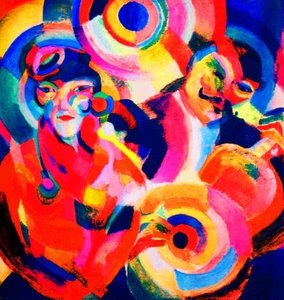
As the Orphism movement took flight, Sonia’s work became an exploration of concentric circles, geometric precision, and chromatic harmony. In masterpieces such as “Flamenco Singer” (1916), one can witness the mastery of her abstract language, where vibrant color circles dance across the surface to evoke the very essence of music and motion. Her ability to translate complex emotional states into geometric forms allowed her to capture the ephemeral nature of light. This period of her career was marked by a relentless pursuit of pure abstraction, stripping away the unnecessary to reveal the fundamental rhythms of the universe.
Yet, Sonia Delaunay’s brilliance was never confined to the gallery wall. She possessed an uncanny ability to weave her artistic philosophy into the very fabric of society. Her groundbreaking textile designs transformed fashion and interior decor into moving canvases of modernism. By applying bold, geometric patterns to fabrics, she ensured that the avant-garde spirit was not just a subject for contemplation but a lived experience. These collaborations turned clothing and domestic spaces into extensions of her Orphic vision, making her a pioneer of what we now recognize as integrated modern design.
A Lasting Legacy in the Modern Canon
The historical significance of Sonia Delaunay lies in her refusal to accept the boundaries between "high art" and "applied art." Her career was a continuous dialogue between the canvas, the loom, and the stage. Through her work, she challenged the patriarchal structures of the art world, eventually becoming the first female artist to be honored with a retrospective at the Louvre—a testament to her enduring impact on the French and global art landscapes.
Her contributions can be summarized through several key artistic pillars:
- The Orphic Vision: The development of a language based on color harmony and geometric rhythm.
- Simultaneism: The use of contrasting colors to create optical movement and depth.
- Interdisciplinary Mastery: The seamless integration of fine art, textile design, and fashion.
- Modernist Influence: A lasting impact on the evolution of abstract art and 20th-century graphic design.
Today, when we look upon her vibrant compositions, we see more than just shapes and hues; we see the heartbeat of a woman who saw the world as a magnificent, ever-changing kaleidoscope of light.
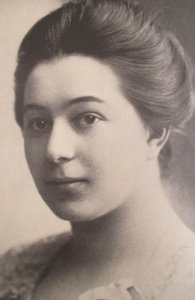
sonia delaunay (sarah ilinitchna stern)
1885 - 1979 , Ukraine
Quick Facts
- Artistic Movement Or Style: Orphism & Abstract Art
- Artists Or Movements Influenced By This Artist: ['Simultanism']
- Artists Who Influenced This Artist: ['Robert Delaunay']
- Date Of Birth: 1885
- Date Of Death: 1979
- Full Name: Sonia Delaunay (Sarah Stern)
- Nationality: French
- Notable Artworks:
- Electric Prisms
- Untitled gouache (Illustration for Tristan Tzara's "Le fruit permis")
- Composition 19
- Place Of Birth: Kradkiv, Ukraine