

 Preview
 Send
Send Share
Share
 Details

 Download
 Similars
 X-Ray
X-Ray Diaporama
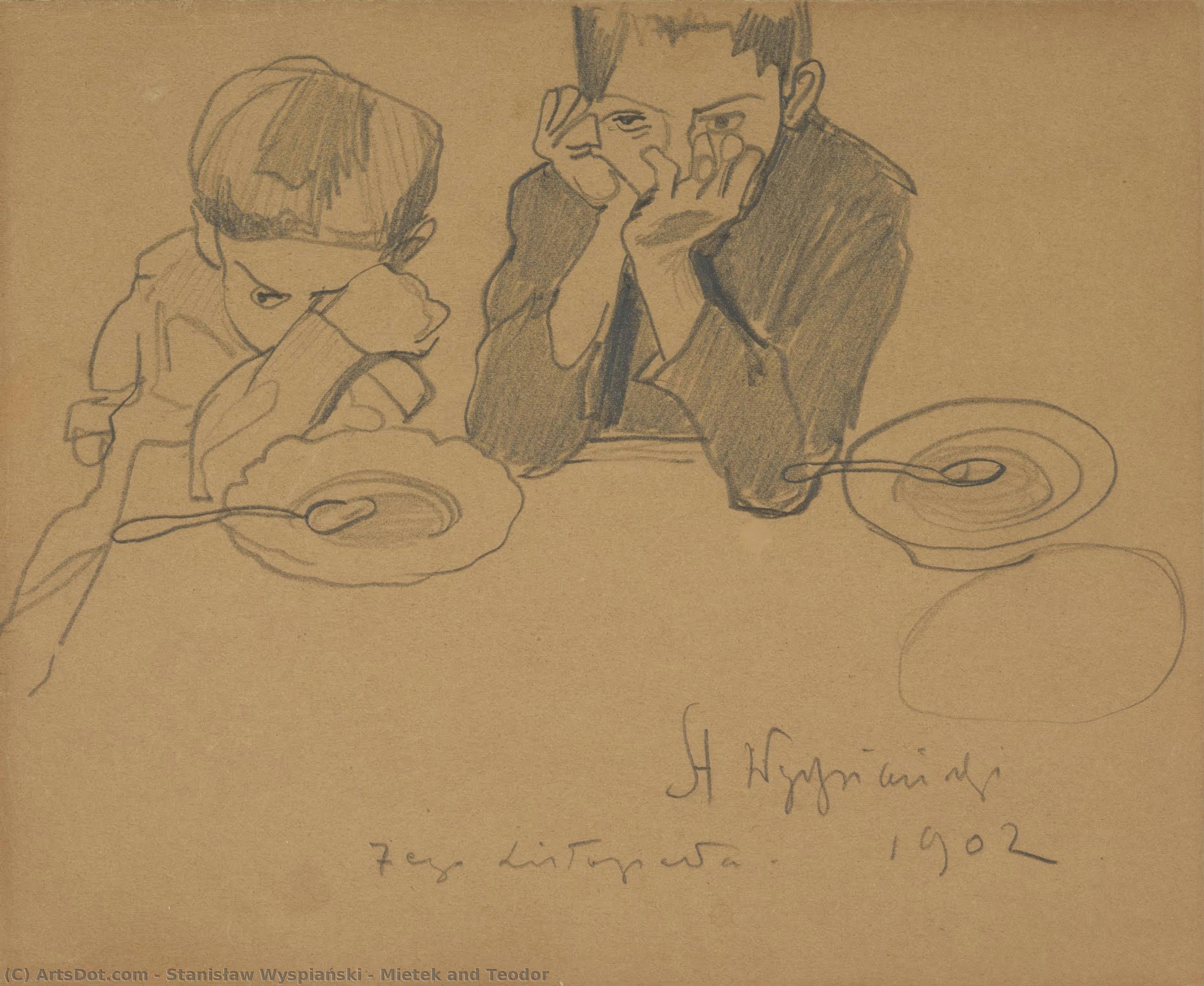
Mietek and Teodor


 Read More
Purchase a high-resolution, enhanced digital image, far superior to the online preview.
Each file is meticulously prepared by our in-house specialists using advanced tools and expert manual retouching. We ensure every image has exceptional clarity, precise color accuracy, and fine detail.
The final file is delivered via email within 72 hours, optimized for immediate use in professional, editorial, and print environments. This is the same quality trusted by top-tier design studios, publishers, and galleries.
Digital Image
Download a high-resolution file for personal display, printing, and creative projects. ( Buy Print Buy Hand Made Painting)
Included in Every Digital Image Order
Expert Digital Delivery, Guaranteed
When you choose ArtsDot.com, you're not just getting an image - you're receiving a professionally enhanced digital artwork, crafted with precision and backed by a satisfaction guarantee. Here's everything that comes with your order, automatically:

Fast Email Delivery
Your high-resolution digital image file will be emailed to you within 72 hours of ordering - ready for immediate use.

AI-Enhanced Digital File
Your artwork is professionally optimized using advanced AI tools and manual editing, ensuring maximum detail, clarity, and color accuracy.

Free Lifetime Re-Delivery
Accidentally deleted or lost your file? No worries - we'll resend it to you anytime, free of charge.

No Import Fees - Ever
Enjoy your artwork instantly with zero customs, duties, or delivery fees - digital downloads are always tax-free.

Color Accuracy Guarantee
We ensure your digital image reflects the original colors as closely as possible using professional tools and color management.

60-Day Satisfaction Guarantee
If you're not satisfied with your digital image, we'll revise it or refund 100% within 60 days - no questions asked.

100% Money-Back Guarantee
Not satisfied? Get a full refund within 60 days of receiving your digital file - no questions asked.

Bulk Order Discounts
Buy 3 images, save 10% - Buy 5, save 15% - Buy 10+, save 20%. Great for creative projects, galleries, and agencies.
Collectible Description
A Quiet Intimacy Captured in Line
In the delicate, evocative drawing Mietek and Teodor, created in 1902 by the visionary Polish master Stanisław Wyspiański, we are invited into a moment of profound, silent connection. The scene unfolds around a simple dining table, where two figures sit poised on the precipable edge of a shared meal. There is an unmistakable sense of stillness, as if the artist has caught a single, fleeting breath in the midst of daily life. The man, eyes cast downward in a gesture of quiet contemplation or perhaps fatigue, and the woman, looking upward with a gaze that seems to drift toward something unseen, create a poignant psychological tension. They are physically close, yet emotionally suspended in their own private worlds, a hallmark of the Symbolist movement that sought to express the intangible depths of the human soul.
The composition is masterfully understated, relying on the rhythmic placement of everyday objects—bowls, a cup, and utensils—to ground the ethereal mood in reality. Each element on the table serves as an anchor for the viewer's eye, leading us through the intimate space between the two subjects. The way the light seems to graze the edges of the porcelain and the hands of the diners suggests a soft, natural illumination, casting the scene in a nostalgic, almost dreamlike glow. For the collector or interior designer, this piece offers a sophisticated touch of understated elegance, providing a focal point that invites deep contemplation rather than demanding loud attention.
The Mastery of the Young Poland Movement
As a pivotal figure of the Young Poland movement, Wyspiański possessed a unique ability to blend the raw honesty of folk art with the complex intellectualism of modern Symbolism. In Mietek and Teodor, his technique shines through the economy of line and the deliberate use of space. The drawing does not rely on heavy ornamentation; instead, it utilizes the strength of contour and the subtle interplay of shadow to build form and emotion. This mastery of draftsmanship allows the viewer to feel the weight of the moment and the texture of the domestic setting, making the scene feel both timeless and deeply personal.
To possess a reproduction of such a work is to bring a piece of Polish art history into one's personal sanctuary. The emotional impact of the piece lies in its relatability—the universal experience of shared solitude. It is an ideal selection for those looking to curate a space that feels soulful, intellectual, and serene. Whether placed in a sunlit reading nook or as part of a larger gallery wall, this artwork serves as a window into a vanished era of artistic brilliance, offering a sense of peace and a reminder of the beauty found in life's most quiet, unscripted moments.
Related Artworks


Artist Biography
The Soul of Young Poland: The Life and Vision of Stanisław Wyspiański
In the misty, historical heart of Kraków, a singular genius emerged to redefine the cultural landscape of a nation yearning for identity. Stanisław Wyspiański was not merely a painter; he was a polymath, a visionary whose creative spirit breathed life into the Young Poland movement. Born in 1869, his short but incandescent life was a whirlwind of artistic exploration that bridged the gap between the delicate aesthetics of Art Nouveau and the profound, often turbulent, depths of Polish Symbolism. To study Wyspiański is to witness a man attempting to capture the very essence of a soul—both individual and national.
His development as an artist was deeply rooted in the rich, academic traditions of his training, yet he possessed an innate rebellion against the rigid constraints of realism. His work began to pulse with a new kind of energy, one that drew heavily from the vibrant folk motifs of the Polish countryside and the intricate, organic lines characteristic of the Secessionist style. This fusion created a visual language that was uniquely his: a delicate balance of botanical precision and haunting, metaphorical weight. He saw the world not just as it appeared, but as it felt, imbuing every petal and every portrait with a sense of cosmic significance.
A Master of Light and Symbolism
Wyspiański’s mastery extended far beyond the canvas, reaching into the very architecture of sacred spaces. He is perhaps most celebrated for his breathtaking stained glass windows, which transformed light into a medium of spiritual storytelling. In these works, color becomes a character itself, with deep blues and fiery ambers dancing through glass to evoke themes of martyrdom, rebirth, and national endurance. His ability to manipulate light allowed him to create immersive environments where the boundaries between the physical world and the symbolic realm began to dissolve.
Beyond his visual arts, his literary contributions were equally monumental. As a playwright and poet, he utilized the stage to weave complex tapestries of Polish history and myth. His most famous drama, The Wedding, stands as a cornerstone of Polish literature, a masterpiece that uses a single night of celebration to dissect the social and political anxieties of a nation under partition. Through his writing, he explored the tension between tradition and modernity, using symbolism to critique the inertia of the intelligentsia while celebrating the raw, unyielding spirit of the peasantry.
Legacy of a Visionary
The historical significance of Stanisław Wyspiański lies in his role as a cultural architect. He did not just create art; he helped construct a visual and literary identity for a people seeking sovereignty. His influence can be traced through several key achievements:
- Integration of Art Forms: He broke the barriers between fine arts, decorative arts, literature, and theater, creating a unified aesthetic experience.
- National Symbolism: He elevated Polish folk motifs to the level of high art, making them central to the modern national consciousness.
- Art Nouveau Innovation: His use of flowing, organic lines and expressive color palettes helped define the Polish iteration of the Art Nouveau movement.
- Enduring Dramatic Impact: His plays continue to be staged globally, serving as profound explorations of human psychology and political struggle.
Though his life was tragically cut short at the age of thirty-eight, the brilliance of his output remains undimmed. Wyspianski left behind a legacy that continues to haunt and inspire, a testament to the power of art to serve as both a mirror to society and a beacon for its future. His work remains an essential pilgrimage for anyone seeking to understand the profound intersection of beauty, tragedy, and national identity.
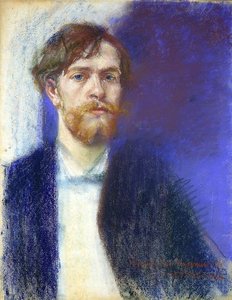
stanislaw wyspianski
1869 - 1907 , Poland
Quick Facts
- Artistic Movement Or Style: Polish Symbolism, Young Poland
- Date Of Birth: 1869
- Date Of Death: 1907
- Full Name: Stanisław Wyspiański
- Nationality: Polish
- Notable Artworks:
- Stained glass works
- The Wedding
- Place Of Birth: Kraków, Poland

