 Preview
 Send
Send Share
Share
 Details

 Download
 Similars
 X-Ray
X-Ray Diaporama
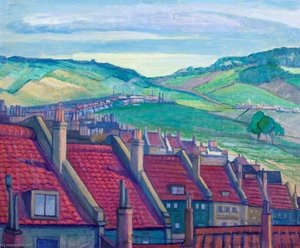
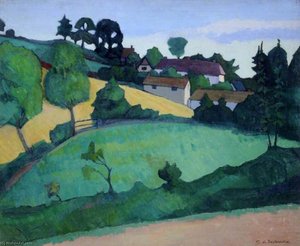
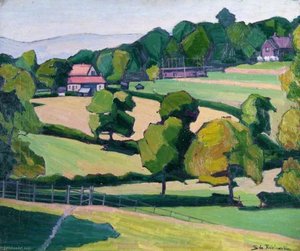
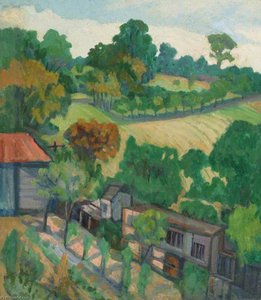
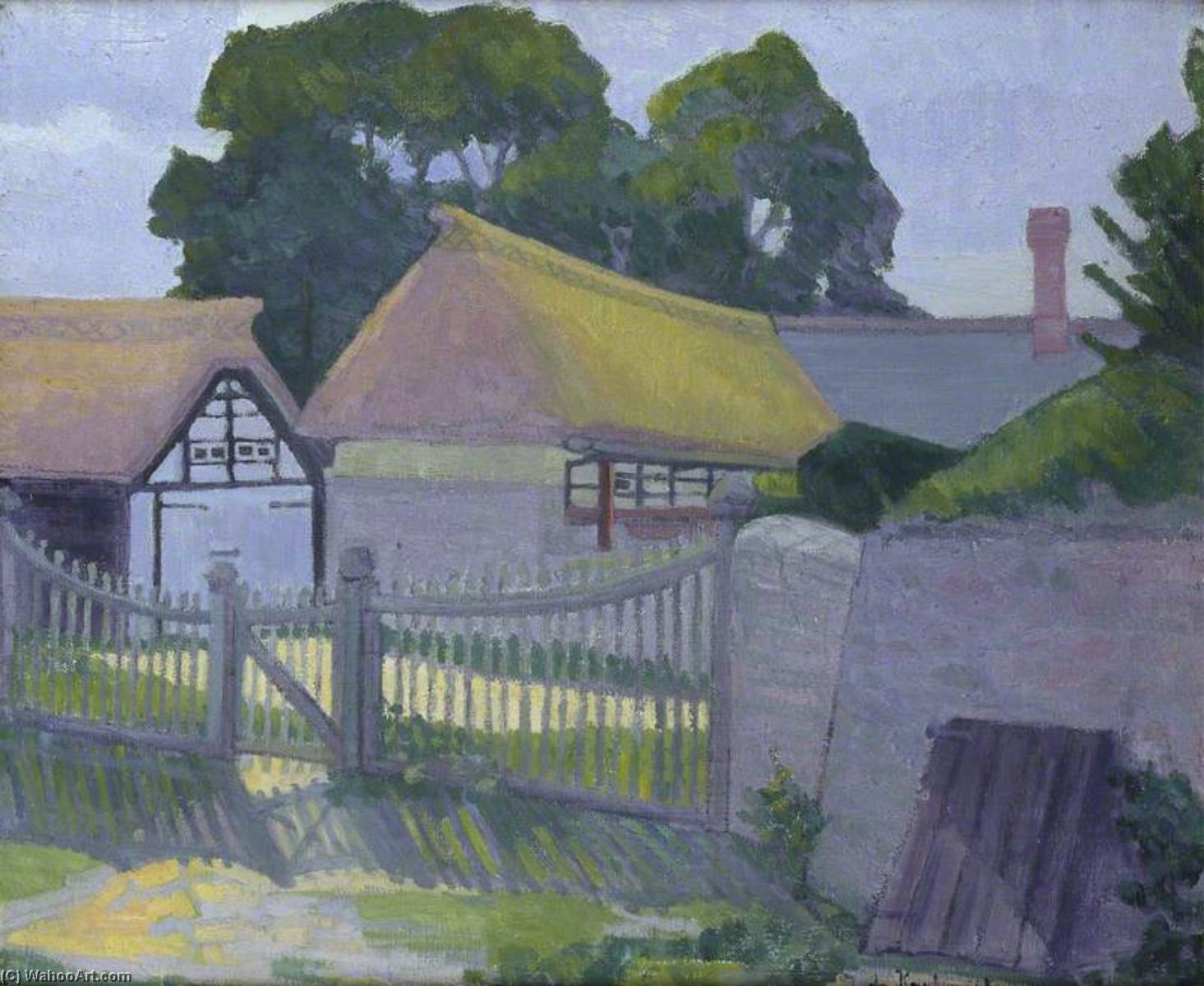
A Wealden Farm
 1927
1927 38.0 x 48.0 cm
 The Ashmolean Museum of Art And Archaeology
 Read More
Hand Made Oil Reproduction
Hand-painted oil on canvas in your size and frame, made to order by our artists. ( Buy Print Buy Image)




































Pick from our preset sizes that match the artwork's original proportions.

You may enter your own dimensions to fit a specific frame or space. If your selected size does not match the original image's proportions, we will either crop the artwork or extend the painting with additional hand-painted elements. A digital mockup will be sent for your approval before production begins.
Please note that the on-screen preview does not reflect the actual cropping or extension. Only the mockup will accurately show the final composition.
While custom sizes are available, we recommend selecting a dimension from the predefined list to preserve the original proportions.
After order, ArtsDot.com team will email client for instructions and provide a mockup preview
Worldwide Delivery () in 3/4 weeks instead of standard 5 weeks. (21 August). No compromise on quality.

Free Worldwide Express Shipping

High-Quality Linen Canvas

Full Shipping Insurance

Customs Tax Refund Guarantee

True Color Matching Guarantee

60-Day Return Policy (Defects Only)

100% Money-Back Guarantee

Bulk Discount Offer
 Glass option is only available in size under 110 CM

A Wealden Farm
Reproduction Medium
Reproduction Size
-


Total Price
$ 263
Artwork Description
Artistic Style and Technique
The artist's use of oil on canvas showcases her skill in capturing the essence of the farm setting. The thatched roofs of the houses give them a rustic appearance, while the brick wall and gate leading to the barn add to the rural atmosphere. The painting's attention to detail and use of color create a sense of warmth and tranquility.Similar Paintings and Artists
Other paintings on ArtsDot.com that showcase similar rural scenes include A farmyard by Jean Baptiste Antoine Guillemet and The Glebe Farm by Peter De Wint. These paintings demonstrate the artists' ability to capture the beauty of rural life. For more information on these paintings, visit Stanislawa De Karlowska's page on ArtsDot.com.- Stanislawa De Karlowska was a talented artist who created many beautiful paintings, including A Wealden Farm.
- The Ashmolean Museum of Art And Archaeology is a renowned museum that houses many significant artworks, including A Wealden Farm.
- For more information on the artist and her work, visit ArtsDot.com's documentation on art museums.
The painting A Wealden Farm by Stanislawa De Karlowska is a beautiful representation of rural life, showcasing the artist's skill in capturing the essence of the farm setting. With its serene atmosphere and attention to detail, this painting is a must-see for art enthusiasts. Visit ArtsDot.com to learn more about this painting and other beautiful artworks.
Related Artworks


Artist Biography
Stanisława de Karłowska (1876–1952): Bridging Folk Art and Modernism
Stanisława de Karłowska (1876–1952) was a Polish-British modernist painter whose distinctive style combined the expressive qualities of folk art with the bold experimentation of pure color, establishing her as a pivotal figure in early 20th-century British painting. Born in Warsaw, Poland, she emigrated to London in 1908, where she cultivated relationships with prominent artists and became an influential member of the London Group—a collective dedicated to exploring new artistic horizons beyond academic conventions. Her oeuvre reflects both her Polish heritage and her immersion in the vibrant cultural landscape of London, resulting in paintings that resonate with a profound sensitivity to rural landscapes and urban life alike.- Early Life & Education: Karłowska’s formative years were marked by exposure to artistic traditions rooted in Poland's folk art heritage. She studied at the Warsaw Academy of Fine Arts, focusing on landscape painting under Aleksander Dobelli—a teacher who championed Impressionistic techniques and encouraged students to capture fleeting moments of natural beauty.
- Move to London & Artistic Formation: Driven by intellectual curiosity and a desire for artistic freedom, Karłowska relocated to London in 1908. Here she encountered artists like Robert Bevan and Frank Auerbach, who profoundly influenced her stylistic development. The London Group’s discussions on color theory and expressive brushwork solidified her commitment to pushing boundaries within the established art world.
Style & Technique: A Synthesis of Tradition and Innovation
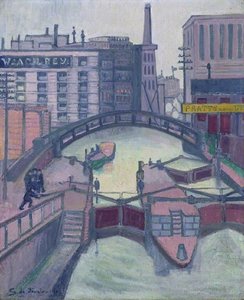
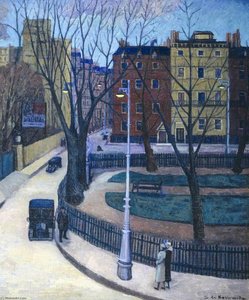
Karłowska's artistic vision centered around a masterful fusion of Impressionistic principles with elements derived from Polish folk painting. She employed thick impasto—a technique characterized by applying paint in textured layers—to imbue her canvases with palpable physicality and emotional intensity. This approach allowed her to convey the tactile qualities of landscapes and urban scenes, mirroring the expressive dynamism found in traditional Polish art forms. Her palette favored muted hues—often dominated by earthy tones—creating atmospheric depth and capturing subtle nuances of light and color. Notably, she experimented extensively with pure color, rejecting tonal gradations in favor of bold splashes that prioritized visual impact over realistic representation.- Key Paintings: Among her most celebrated works are “A Wealden Farm” (1913), depicting a tranquil rural vista bathed in golden sunlight; “Lock on the Canal” (1913), capturing the gritty realism of a working-class canal scene; and “St James’s Square” (1939), portraying a stately park setting dominated by a monumental statue.
- Influence & Legacy: Karłowska's artistic explorations contributed significantly to the development of British Modernism, particularly within the London Group. Her unwavering dedication to expressive brushwork and bold color palettes served as an inspiration for subsequent generations of artists—demonstrating her enduring impact on the trajectory of 20th-century art.
Exploring Breton Landscapes & The Power of Texture
Karłowska’s fascination with Breton landscapes – inspired by Henri Matisse and Cézanne – became a recurring motif in her paintings. She meticulously rendered the rugged terrain, weathered stone walls, and misty atmosphere of Brittany, France, capturing not merely visual details but also the emotional resonance of these places. Her technique—characterized by layering paint thickly onto canvas—created surfaces that pulsed with energy and conveyed a sense of immediacy. The resulting textures mirrored the materiality of the landscapes themselves, inviting viewers to engage in a tactile experience alongside their gaze.Concluding Remarks: A Quiet Revolutionary
Stanisława de Karłowska’s artistic journey represents more than just stylistic innovation; it embodies a quiet revolution against academic conventions. By embracing both folk art traditions and the daring experimentation of pure color, she forged a unique visual language that continues to captivate audiences today. Her paintings stand as testament to the transformative potential of artistic vision—demonstrating how artists can simultaneously honor heritage while forging new paths toward expressive truth.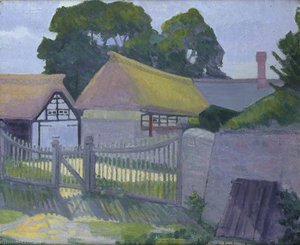
stanislawa de karlowska
1876 - 1952
Quick Facts
- Artistic Movement Or Style: Modernism
- Artists Or Movements Influenced By This Artist: ['London Group']
- Artists Who Influenced This Artist: ['Robert Bevan']
- Date Of Birth: 9 May 1876
- Date Of Death: 9 December 1952
- Full Name: Stanisława de Karłowska
- Nationality: Polish
- Notable Artworks:
- A Wealden Farm
- Lock on the Canal
- St James’s Square
- Place Of Birth: Warsaw, Poland