 Preview
 Send
Send Share
Share
 Details

 Download
 Similars
 X-Ray
X-Ray Diaporama
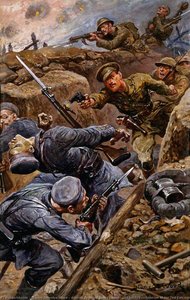
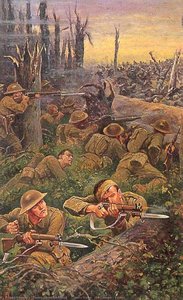
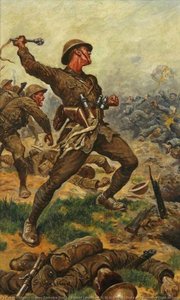
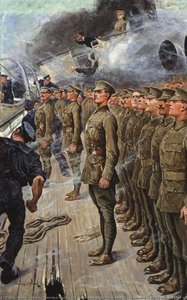
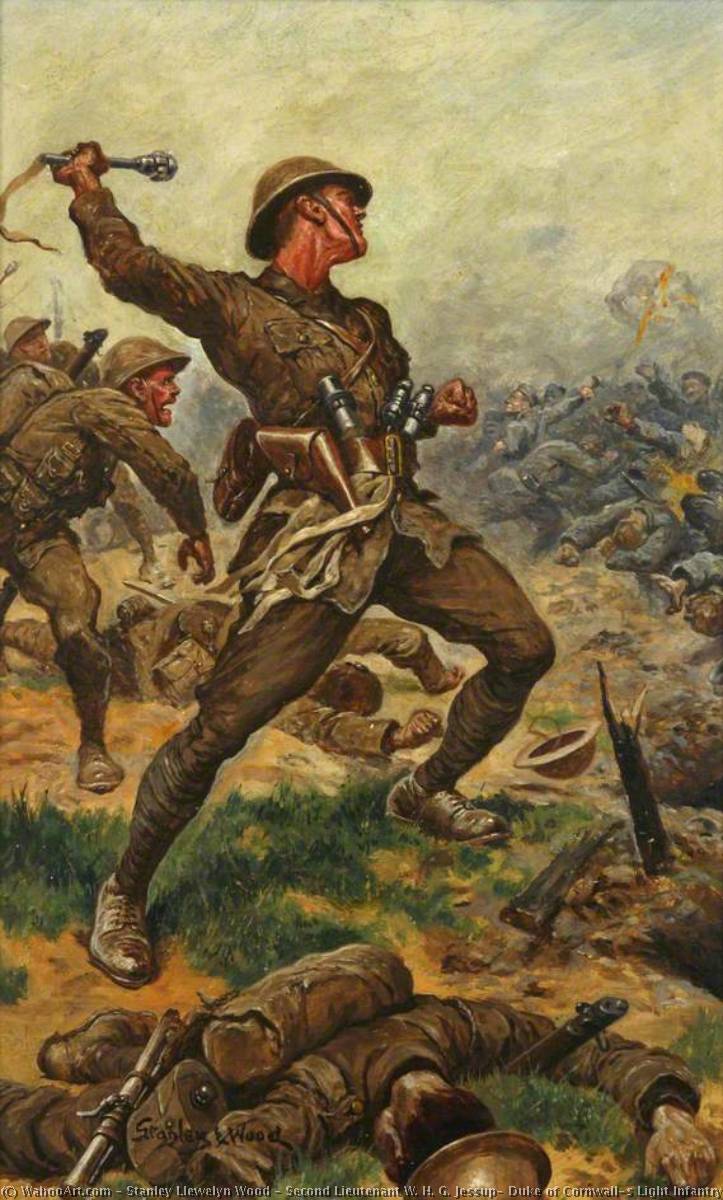
Second Lieutenant W. H. G. Jessup, Duke of Cornwall's Light Infantry, on the Western Front, 1916
 41.0 x 26.0 cm
 Read More
Hand Made Oil Reproduction
Hand-painted oil on canvas in your size and frame, made to order by our artists. ( Buy Print Buy Image)




































Pick from our preset sizes that match the artwork's original proportions.

You may enter your own dimensions to fit a specific frame or space. If your selected size does not match the original image's proportions, we will either crop the artwork or extend the painting with additional hand-painted elements. A digital mockup will be sent for your approval before production begins.
Please note that the on-screen preview does not reflect the actual cropping or extension. Only the mockup will accurately show the final composition.
While custom sizes are available, we recommend selecting a dimension from the predefined list to preserve the original proportions.
After order, ArtsDot.com team will email client for instructions and provide a mockup preview
Worldwide Delivery () in 3/4 weeks instead of standard 5 weeks. (26 August). No compromise on quality.

Free Worldwide Express Shipping

High-Quality Linen Canvas

Full Shipping Insurance

Customs Tax Refund Guarantee

True Color Matching Guarantee

60-Day Return Policy (Defects Only)

100% Money-Back Guarantee

Bulk Discount Offer
 Glass option is only available in size under 110 CM

Second Lieutenant W. H. G. Jessup, Duke of Cornwall's Light Infantry, on the Western Front, 1916
Reproduction Medium
Reproduction Size
-


Total Price
$ 263
Related Artworks










Artist Biography
Stanley Llewelyn Wood: A Visionary Witness of the Great War
Stanley Llewelyn Wood (1866 – 1928) stands as a singular figure in British art history, primarily recognized for his unflinching depictions of trench warfare during World War I. Born in Llanelli, Wales, Wood’s artistic journey began with an early fascination for watercolor painting and drawing, honing skills that would prove invaluable in capturing the brutal realities of the battlefield. Despite facing considerable challenges securing commissions—particularly due to prevailing prejudices against Welsh artists—Wood persevered, establishing himself as a respected artist whose work profoundly impacted the visual record of the conflict.- Early Life and Artistic Training: Wood’s formative years were marked by a dedication to artistic pursuits. He studied at Cardiff School of Art and Design, where he absorbed influences from Impressionism and Neo-Romanticism, styles that emphasized light and emotion. These foundational principles would permeate his subsequent paintings, shaping his distinctive approach to portraying human experience amidst extraordinary circumstances.
- The Great War Years: Wood’s artistic output surged during the First World War, fueled by a deep empathy for soldiers and a conviction that art could bear witness to historical events. He volunteered as a stretcher bearer, immersing himself in the trenches of France and Belgium—experiences that irrevocably altered his perspective on human suffering and resilience. These observations directly informed his artistic vision, resulting in canvases brimming with palpable emotion and meticulous detail.
A Distinctive Artistic Style: Watercolor and Symbolism
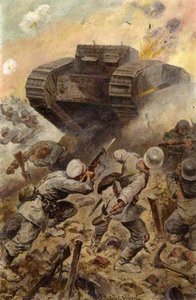
Wood’s signature technique involved watercolor painting—a medium he championed for its ability to convey subtle nuances of light and atmosphere. Unlike oil paints, watercolor allowed him to achieve luminous effects that perfectly mirrored the bleak landscapes of the Western Front. However, Wood's artistic style extended beyond mere technical proficiency; it embraced symbolic representation. He frequently employed muted palettes and carefully considered compositions to communicate psychological states—fear, courage, despair—rather than simply documenting physical scenes. Recurring motifs included skulls, poppies (a poignant symbol of remembrance), and desolate landscapes reflecting the profound impact of war on both individuals and communities.- Notable Paintings: Among Wood’s most celebrated works are “Trones Wood,” depicting a harrowing depiction of trench warfare, capturing the grim determination etched onto the faces of soldiers battling for survival. “A Tank Attack, 1916” showcases the dynamism and terror of mechanized warfare, while “Captain Reginald James Young” portrays a soldier’s solemn gaze amidst the horrors of combat—a testament to Wood's ability to convey profound human emotion through visual imagery.
Influence and Legacy
Wood’s artistic legacy transcends his individual achievements. He served as an inspiration for subsequent generations of Welsh artists, fostering a tradition of realism infused with emotional depth. His unflinching portrayal of the Great War challenged conventional representations of heroism and underscored the psychological toll exacted by conflict—a perspective that resonated powerfully during a period marked by disillusionment and introspection. Furthermore, Wood’s work continues to be studied and admired for its artistic merit and its contribution to documenting one of history's most transformative events. His paintings remain poignant reminders of the human cost of war and enduring symbols of remembrance.Further Exploration
You can find more information about Stanley Llewelyn Wood at University of Iowa Museum of Art. Explore his captivating artwork and delve deeper into the artist's life and artistic vision.
stanley llewelyn wood
1866 - 1928
Quick Facts
- Artistic Movement Or Style: Realism
- Artists Or Movements Influenced By This Artist: ['Arts and Crafts Movement']
- Artists Who Influenced This Artist: ['William Morris']
- Date Of Birth: 1866
- Date Of Death: 1928
- Full Name: Stanley Llewelyn Wood
- Nationality: British
- Notable Artworks: ['Trones Wood, the Somme']
- Place Of Birth: London, England