

 Preview
 Send
Send Share
Share
 Details

 Download
 Similars
 X-Ray
X-Ray Diaporama
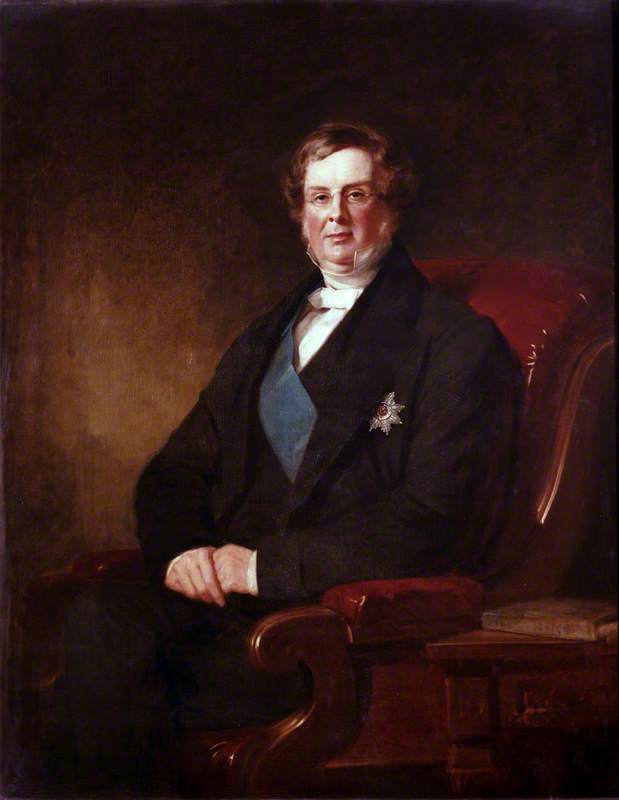
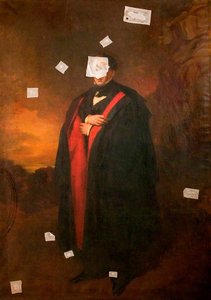
William Parsons (1800–1867), 3rd Earl of Rosse
 1860
1860 142.0 x 112.0 cm
 The Royal Society
 Read More
Purchase a high-resolution, enhanced digital image, far superior to the online preview.
Each file is meticulously prepared by our in-house specialists using advanced tools and expert manual retouching. We ensure every image has exceptional clarity, precise color accuracy, and fine detail.
The final file is delivered via email within 72 hours, optimized for immediate use in professional, editorial, and print environments. This is the same quality trusted by top-tier design studios, publishers, and galleries.
Digital Image
Download a high-resolution file for personal display, printing, and creative projects. ( Buy Print Buy Hand Made Painting)
Included in Every Digital Image Order
Expert Digital Delivery, Guaranteed
When you choose ArtsDot.com, you're not just getting an image - you're receiving a professionally enhanced digital artwork, crafted with precision and backed by a satisfaction guarantee. Here's everything that comes with your order, automatically:

Fast Email Delivery
Your high-resolution digital image file will be emailed to you within 72 hours of ordering - ready for immediate use.

AI-Enhanced Digital File
Your artwork is professionally optimized using advanced AI tools and manual editing, ensuring maximum detail, clarity, and color accuracy.

Free Lifetime Re-Delivery
Accidentally deleted or lost your file? No worries - we'll resend it to you anytime, free of charge.

No Import Fees - Ever
Enjoy your artwork instantly with zero customs, duties, or delivery fees - digital downloads are always tax-free.

Color Accuracy Guarantee
We ensure your digital image reflects the original colors as closely as possible using professional tools and color management.

60-Day Satisfaction Guarantee
If you're not satisfied with your digital image, we'll revise it or refund 100% within 60 days - no questions asked.

100% Money-Back Guarantee
Not satisfied? Get a full refund within 60 days of receiving your digital file - no questions asked.

Bulk Order Discounts
Buy 3 images, save 10% - Buy 5, save 15% - Buy 10+, save 20%. Great for creative projects, galleries, and agencies.
Related Artworks







Artist Biography
Stephen Catterson Smith: The Portraitist of Victorian Ireland
Stephen Catterson Smith, a name perhaps less familiar than those of his contemporaries, nevertheless stands as a pivotal figure in the artistic landscape of 19th-century Ireland. Born in Skipton, Yorkshire, in 1806, into an artist’s family – his father, Joseph Smith, was a skilled coach painter – Smith's journey led him from the workshops of London to the vibrant and evolving world of Dublin portraiture. His career spanned nearly four decades, during which he cultivated a distinctive style and secured a place as one of Ireland’s most respected artists, particularly renowned for his ability to capture the likenesses of royalty, nobility, and prominent figures of the era.
Smith's early artistic training laid the foundation for his future success. He entered the schools of the Royal Academy in London at the age of sixteen, a significant achievement demonstrating his prodigious talent. He honed his skills in drawing black chalk portraits, a technique he quickly mastered and which would become a hallmark of his work. These preliminary sketches, often published as lithographs by Richard James Lane, gained him early recognition and established his reputation for meticulous detail and accurate representation. This focus on precise draughtsmanship would inform his later, more ambitious portrait commissions.
The Move to Ireland and the Rise to Prominence
A pivotal moment in Smith’s career arrived around 1840 when he accepted several commissions to paint portraits in Ireland. He initially settled in Derry, Northern Ireland, before relocating to Dublin, where he established a permanent studio and quickly ascended to become the leading portrait painter of the day. This move coincided with a period of significant social and political change in Ireland, and Smith’s ability to capture the personalities and status of his subjects proved highly sought after by the Irish elite. He was soon appointed Portrait Painter to the Lord Lieutenant, a prestigious position he held for nearly thirty years, documenting the reigns of numerous viceroys and solidifying his influence within Irish society.
Smith’s style evolved over time, reflecting both the influences of his training in London and the specific demands of his Irish clientele. Initially, his portraits adhered to a more formal, classical approach, reminiscent of Sir Thomas Lawrence, emphasizing regal bearing and dignified presentation. However, as he matured as an artist, he developed a greater sensitivity to capturing individual character and emotion. His portraits of women, in particular, are often praised for their lively charm and subtle psychological insights. He was particularly adept at portraying the nuances of personality, moving beyond mere likeness to convey a sense of inner life.
Royal Patronage and Artistic Achievements
Smith’s career reached its zenith during the reign of Queen Victoria. In 1854, he received a momentous commission – to paint a full-length portrait of the Queen herself for the corporation of Dublin. This monumental work, now housed in the National Gallery of Ireland, stands as a testament to his skill and ambition. Beyond this singular achievement, Smith’s portraits adorned the walls of numerous grand houses throughout Ireland, documenting the lives and achievements of prominent figures including all the Lord Lieutenants of Ireland for three decades. His work was frequently engraved, ensuring its widespread dissemination and solidifying his legacy within the art world.
Furthermore, Smith's election as an associate member of the Royal Hibernian Academy in 1844 and a full member in 1845 underscored his recognition by the artistic community. He was later elected president of the RHA in 1859, demonstrating his leadership role within Irish art. His influence extended beyond portraiture; he served as Director of the National Gallery of Ireland from 1868 until his death in 1872, playing a crucial role in shaping the institution’s collection and programming.
Legacy and Influence
Stephen Catterson Smith's legacy is one of quiet distinction. While he may not be as widely celebrated as some of his contemporaries, his portraits offer invaluable insights into Victorian Ireland – its social hierarchy, political landscape, and artistic sensibilities. His meticulous technique, combined with a keen eye for character, produced works that are both historically significant and aesthetically pleasing. Smith’s influence can still be felt today, not only in the surviving portraits themselves but also in the broader context of Irish art history, where he stands as a key figure in the development of portraiture during a period of profound transformation.
stephen catterson smith
1806 - 1872
Quick Facts
- Artistic Movement Or Style: Portraiture
- Artists Or Movements Influenced By This Artist: ['Royal Hibernian Academy']
- Artists Who Influenced This Artist: ['Sir Thomas Lawrence']
- Date Of Birth: March 12, 1806
- Date Of Death: May 30, 1872
- Full Name: Stephen Catterson Smith
- Nationality: English-Irish
- Notable Artworks:
- Queen Victoria portrait
- Major Cust portrait
- Place Of Birth: Skipton, England

