 Preview
 Send
Send Share
Share
 Details

 Download
 Similars
 X-Ray
X-Ray Diaporama
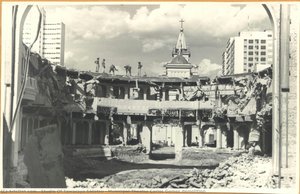
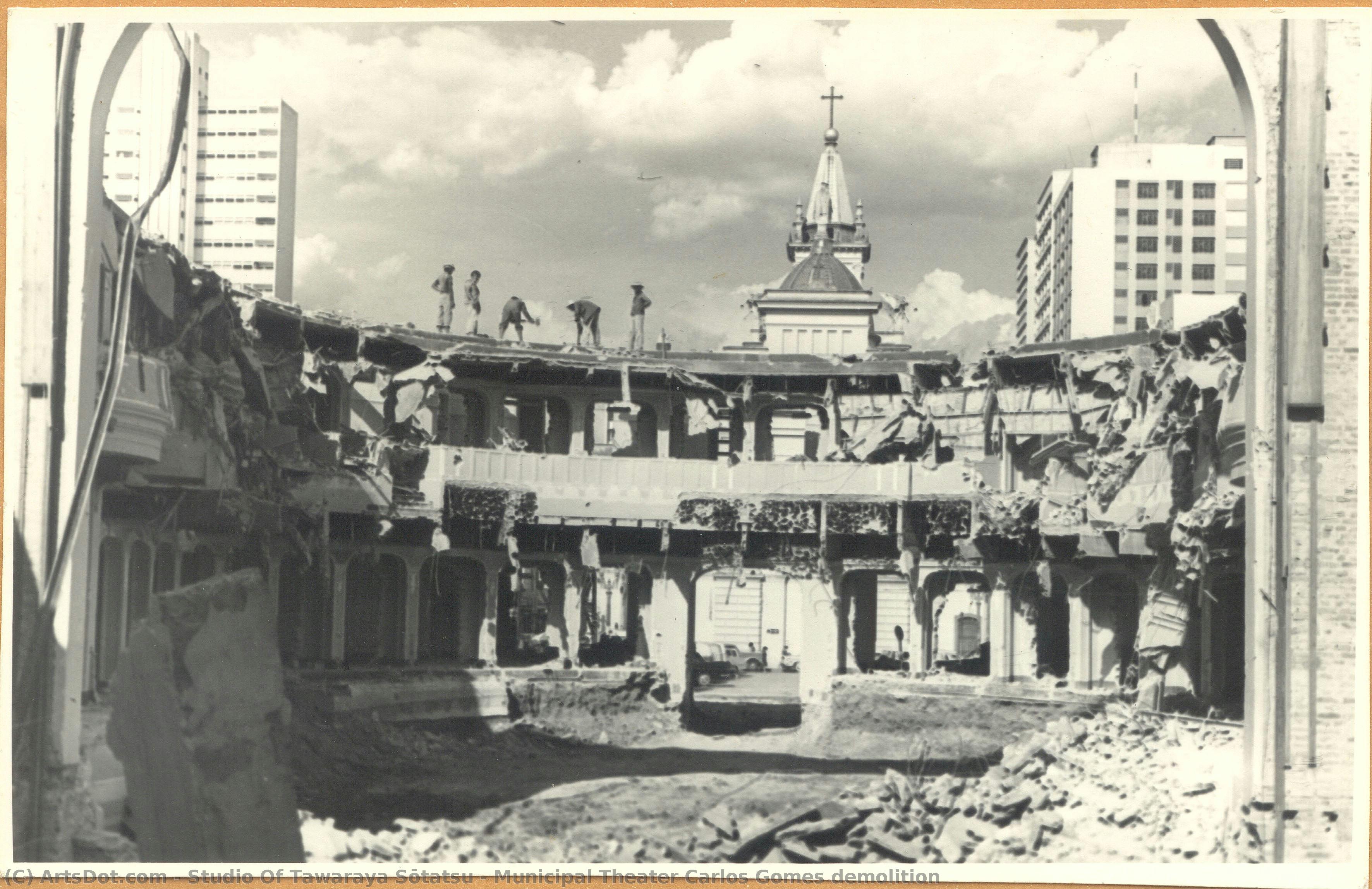
Municipal Theater Carlos Gomes demolition


 Read More
Giclée / Art Print
Museum-quality giclée or canvas print with fast production and flexible finish options. ( Buy Hand Made Painting Buy Image)




































Pick from our preset sizes that match the artwork's original proportions.

You may enter your own dimensions to fit a specific frame or space. If your selected size does not match the original image's proportions, we will either crop the artwork or extend the image with a mirrored or solid-fill edge. A digital mockup will be sent for your approval before production begins.
Please note that the on-screen preview does not reflect the actual cropping or extension. Only the mockup will accurately show the final composition.
While custom sizes are available, we recommend selecting a dimension from the predefined list to preserve the original proportions.
Worldwide Delivery () in 2 weeks instead of standard 4/5 weeks. (2 September)

Free Worldwide Express Shipping

High-Quality Linen Canvas

Full Shipping Insurance

Customs Tax Refund Guarantee

True Color Matching Guarantee

60-Day Return Policy (Defects Only)

100% Money-Back Guarantee

Bulk Discount Offer
 Glass option is only available in size under 110 CM

Municipal Theater Carlos Gomes demolition
Giclée / Art Print
Reproduction Size
-


Total Price
$ 63
Related Artworks






Artist Biography
The Enigmatic World of Tawaraya Sōtatsu’s Studio
The name Tawaraya Sōtatsu conjures images of a golden age in Japanese painting, a period brimming with elegance, narrative power, and an almost otherworldly beauty. However, the figure of Sōtatsu himself remains remarkably elusive. Rather than a single artist working in isolation, “Studio of Tawaraya Sōtatsu” represents a collaborative workshop active primarily during the early Edo period (early 17th century), centered around what is believed to be the artistic vision of one master painter – though the precise extent of his individual hand versus that of his talented disciples remains a subject of ongoing scholarly debate. This ambiguity, rather than diminishing their legacy, adds to the mystique surrounding these breathtaking works. The studio flourished in Kyoto, serving a clientele that included powerful feudal lords and discerning art collectors, all eager to possess paintings imbued with refined taste and sophisticated storytelling.A Legacy Forged in Collaboration
The Tawaraya Sōtatsu studio didn’t emerge from a vacuum. It built upon the foundations laid by the Kanō school, particularly its emphasis on decorative patterns and dynamic compositions. However, Sōtatsu diverged significantly from the more formal and often austere style of the Kanō masters. He embraced a distinctly Yamato-e aesthetic – a traditional Japanese painting style characterized by vibrant colors, flowing lines, and a focus on literary themes and native subjects. His paintings are not merely representations; they are immersive worlds. The studio’s signature style is instantly recognizable: bold outlines define figures and objects, surfaces shimmer with layered pigments, often incorporating gold leaf to create an effect of luminous opulence. The subject matter frequently draws from classical literature – *The Tale of Genji*, the poetry anthologies like the *Hyakunin Isshu* – and scenes from nature, all rendered with a remarkable sense of grace and poetic sensibility. The studio’s success was predicated on its ability to consistently produce paintings of exceptional quality, catering to the evolving tastes of its patrons while maintaining a distinctive artistic voice.Themes and Techniques: A Synthesis of Tradition
The works attributed to the Studio of Tawaraya Sōtatsu are characterized by several recurring themes and masterful techniques. Narrative scenes dominate, often depicting pivotal moments from beloved literary works. These aren’t simply illustrations; they are carefully curated glimpses into a larger story, inviting viewers to contemplate the characters' emotions and motivations. The studio excelled in *kakemono* (hanging scrolls) and *byōbu* (folding screens), formats that lent themselves particularly well to expansive compositions and detailed storytelling. A hallmark of their technique is the use of *tarashikomi*, a method of blending pigments while still wet, creating subtle gradations of color and an almost translucent effect. Gold leaf isn’t merely applied as decoration; it's integrated into the composition, highlighting key elements and adding to the overall sense of luxury and refinement. The studio also demonstrated exceptional skill in depicting natural motifs – flowing water, blossoming branches, soaring birds – all rendered with a keen eye for detail and an appreciation for the beauty of the natural world.Influence and Historical Significance
The impact of the Tawaraya Sōtatsu studio on Japanese painting is profound. Their work helped to revitalize Yamato-e, infusing it with new energy and sophistication. They bridged the gap between the aristocratic art of the Heian period and the emerging tastes of the Edo era. The studio’s influence can be seen in the works of later artists who sought to emulate their elegant style and refined technique. While the precise details of Sōtatsu's life remain shrouded in mystery, his artistic legacy is undeniable. The paintings attributed to his studio are now highly prized as masterpieces of Japanese art, representing a pinnacle of aesthetic achievement and cultural refinement. They offer a glimpse into a world where beauty was celebrated, stories were cherished, and artistry was elevated to the highest level.- Revitalization of Yamato-e painting style.
- Influence on subsequent generations of Japanese artists.
- Masterful use of color, gold leaf, and narrative composition.
The Continuing Allure
Today, the works of the Studio of Tawaraya Sōtatsu continue to captivate audiences worldwide. Their paintings are not merely historical artifacts; they are timeless expressions of beauty, grace, and poetic sensibility. The studio’s legacy serves as a reminder of the power of collaboration, the enduring appeal of classical literature, and the importance of preserving cultural traditions. The enigmatic world created by Tawaraya Sōtatsu invites us to step back in time and experience the elegance and refinement of a golden age in Japanese art. The ongoing research into the studio’s practices and the attribution of individual works ensures that their story will continue to unfold, revealing new insights into this remarkable artistic legacy for generations to come.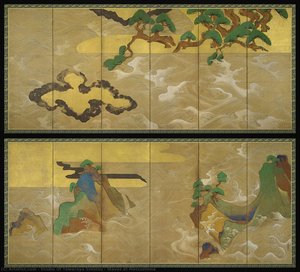
Quick Facts
- Artistic Movement Or Style: Yamato-e, Rinpa school
- Date Of Death: Living
- Full Name: Studio Of Tawaraya Sōtatsu
- Nationality: Japanese
- Notable Artworks:
- Deer and Maple Leaves
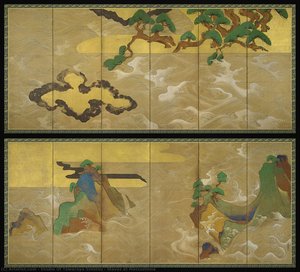
- Waves at Matsushima
- Irises