 Preview
 Send
Send Share
Share
 Details

 Download
 Similars
 X-Ray
X-Ray Diaporama
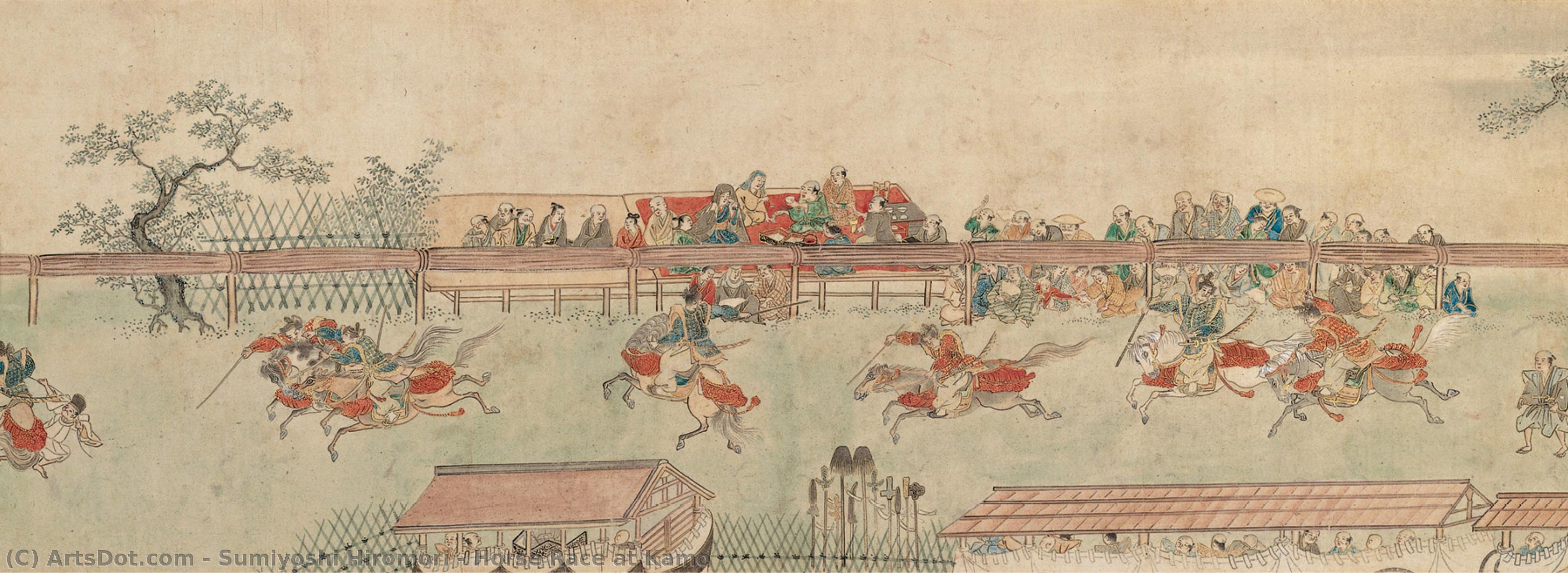
Horse Race at Kamo
 701
701 34.0cm x 359.0cm
 Read More
Hand Made Oil Reproduction
Hand-painted oil on canvas in your size and frame, made to order by our artists. ( Buy Print Buy Image)




































Pick from our preset sizes that match the artwork's original proportions.

You may enter your own dimensions to fit a specific frame or space. If your selected size does not match the original image's proportions, we will either crop the artwork or extend the painting with additional hand-painted elements. A digital mockup will be sent for your approval before production begins.
Please note that the on-screen preview does not reflect the actual cropping or extension. Only the mockup will accurately show the final composition.
While custom sizes are available, we recommend selecting a dimension from the predefined list to preserve the original proportions.
After order, ArtsDot.com team will email client for instructions and provide a mockup preview
Worldwide Delivery () in 3/4 weeks instead of standard 5 weeks. (24 August). No compromise on quality.

Free Worldwide Express Shipping

High-Quality Linen Canvas

Full Shipping Insurance

Customs Tax Refund Guarantee

True Color Matching Guarantee

60-Day Return Policy (Defects Only)

100% Money-Back Guarantee

Bulk Discount Offer
 Glass option is only available in size under 110 CM

Horse Race at Kamo
Reproduction Medium
Reproduction Size
-


Total Price
$ 538
Related Artworks









Artist Biography
A Master of Tranquil Beauty: Sumiyoshi Hiromori
Sumiyoshi Hiromori, a name often whispered within the halls of Japanese art history, was more than just a painter; he was a custodian of tradition and a subtle innovator within the esteemed Sumiyoshi school. Born in Japan around 1705 and passing away in 1777, his life coincided with a pivotal period of artistic evolution, bridging the gap between the established styles of the Edo period and the burgeoning sensibilities of later generations. Hiromori’s legacy rests primarily on his exquisite depictions of nature – particularly birds like quails – rendered with a remarkable sensitivity to light, texture, and the quiet dignity of the natural world. His work offers a serene glimpse into the Japanese aesthetic ideal of *wabi-sabi*, finding beauty in imperfection and transience.Early Life and Artistic Training
The details of Hiromori’s early life remain somewhat shrouded in the mists of time, but it is known that he was apprenticed to his namesake, Sumiyoshi Hiromori (no relation to the later artist). This foundational training within the Sumiyoshi school proved crucial. The Sumiyoshi school, renowned for its focus on *ukiyo-e* (pictures of the floating world) and its emphasis on capturing fleeting moments in nature, instilled in him a deep respect for observation and a meticulous approach to technique. The school’s philosophy valued restraint and subtlety, favoring understated elegance over dramatic flourishes – qualities that are abundantly evident in Hiromori's oeuvre. He learned to master *sumi* ink painting, developing a distinctive style characterized by delicate washes and precise brushwork.A Purveyor of the Court: Career and Patronage
Hiromori’s career took a significant turn in 1734 when he secured a position as a purveying painter to the regime, a role that afforded him access to the highest echelons of Japanese society. This patronage profoundly shaped his artistic output. While continuing to produce works reflecting his core aesthetic – often featuring birds amidst meticulously rendered landscapes – he also undertook commissions for courtly decoration and gifts. These pieces demonstrate a growing sophistication in his use of color and composition, subtly incorporating elements of *bijin-ga* (pictures of beautiful women) and *fūkei-ga* (landscape pictures), albeit always filtered through the lens of Sumiyoshi’s contemplative worldview. His ability to seamlessly blend traditional techniques with the demands of courtly commissions speaks volumes about his artistic versatility and adaptability.The Art of the Quail: Symbolism and Technique
Perhaps Hiromori is most celebrated for his paintings of quails. These seemingly simple subjects were, in fact, imbued with profound symbolic meaning within Japanese culture. The quail represented longevity, prosperity, and good fortune – qualities highly valued by the ruling class. Hiromori’s depictions are not merely representations of birds; they are carefully constructed visual metaphors. He meticulously observed their plumage, capturing the subtle shifts in color and texture that conveyed their vitality. His use of *mokusatsu* (negative painting) – leaving areas of the paper unpainted to define the form – is particularly noteworthy, creating a sense of lightness and airiness that perfectly complements the subject matter. The delicate balance between detail and suggestion is a hallmark of his style.Legacy and Historical Significance
Sumiyoshi Hiromori’s contribution to Japanese art lies not in revolutionary innovation but in his unwavering dedication to preserving and refining the principles of the Sumiyoshi school. He represents a crucial link between the artistic traditions of the past and the evolving sensibilities of the 18th century. His paintings offer a window into the world of the Edo period, revealing the refined tastes and contemplative spirit of Japanese society. Today, his works are treasured for their exquisite beauty, technical mastery, and profound connection to the enduring values of *wabi-sabi*. Exploring his art through platforms like ArtsDot.com allows viewers to appreciate not just the visual splendor but also the rich cultural context that shaped this remarkable artist’s life and work. Explore the captivating world of Sumiyoshi Hiromori – a Japanese painter renowned for his exquisite animal depictions & serene landscapes, embodying the Sumiyoshi school's legacy.
sumiyoshi hiromori
1705 - 1777 , Japan
Quick Facts
- Artistic Movement Or Style: Sumiyoshi School
- Date Of Birth: 1705
- Date Of Death: 1777
- Full Name: Sumiyoshi Hiromori
- Nationality: Japanese
- Notable Artworks: ['Quail paintings']
- Place Of Birth: Japan (city unknown)