

 Preview
 Send
Send Share
Share
 Details

 Download
 Similars
 X-Ray
X-Ray Diaporama
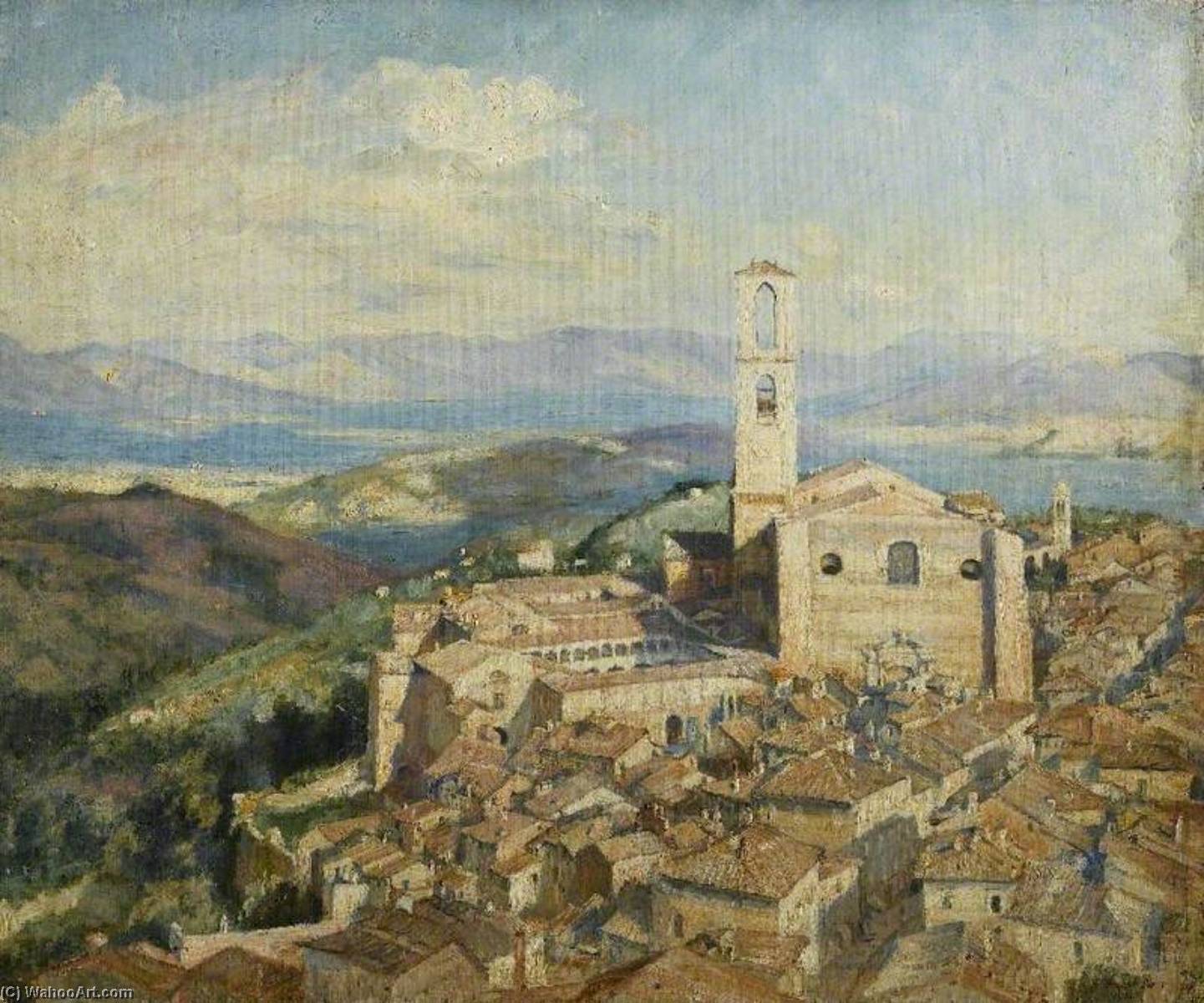
The Roofs of Perugia, Italy
 Acrylic On Canvas
- WallArt
- Impressionistic Landscape
 1911
1911 51.0 x 61.0 cm
 Herbert Art Gallery - Museum
 Read More
Purchase a high-resolution, enhanced digital image, far superior to the online preview.
Each file is meticulously prepared by our in-house specialists using advanced tools and expert manual retouching. We ensure every image has exceptional clarity, precise color accuracy, and fine detail.
The final file is delivered via email within 72 hours, optimized for immediate use in professional, editorial, and print environments. This is the same quality trusted by top-tier design studios, publishers, and galleries.
Digital Image
Download a high-resolution file for personal display, printing, and creative projects. ( Buy Print Buy Hand Made Painting)
Included in Every Digital Image Order
Expert Digital Delivery, Guaranteed
When you choose ArtsDot.com, you're not just getting an image - you're receiving a professionally enhanced digital artwork, crafted with precision and backed by a satisfaction guarantee. Here's everything that comes with your order, automatically:

Fast Email Delivery
Your high-resolution digital image file will be emailed to you within 72 hours of ordering - ready for immediate use.

AI-Enhanced Digital File
Your artwork is professionally optimized using advanced AI tools and manual editing, ensuring maximum detail, clarity, and color accuracy.

Free Lifetime Re-Delivery
Accidentally deleted or lost your file? No worries - we'll resend it to you anytime, free of charge.

No Import Fees - Ever
Enjoy your artwork instantly with zero customs, duties, or delivery fees - digital downloads are always tax-free.

Color Accuracy Guarantee
We ensure your digital image reflects the original colors as closely as possible using professional tools and color management.

60-Day Satisfaction Guarantee
If you're not satisfied with your digital image, we'll revise it or refund 100% within 60 days - no questions asked.

100% Money-Back Guarantee
Not satisfied? Get a full refund within 60 days of receiving your digital file - no questions asked.

Bulk Order Discounts
Buy 3 images, save 10% - Buy 5, save 15% - Buy 10+, save 20%. Great for creative projects, galleries, and agencies.
A Window Into Perugia’s Soul: Examining Susan Isabel Dacre's “The Roofs of Perugia”
The painting "The Roofs of Perugia," executed by Susan Isabel Dacre in 1911, isn’t merely a depiction of an Italian town; it’s a carefully crafted meditation on beauty, faith, and the enduring spirit of place. Standing at 51 x 61 cm, this oil-on-canvas masterpiece transports viewers back to a pivotal moment in European art history – the early years of the Belle Époque – offering a glimpse into a world grappling with optimism alongside anxieties about impending change.A Style Rooted in Impressionism’s Legacy
Dacre's artistic vision firmly anchors itself within the stylistic currents of Impressionism, though subtly diverging from its more radical progenitors like Monet and Renoir. While acknowledging the influence of plein air painting techniques – evident in the luminous quality of light bathing the rooftops – Dacre eschews the fragmented brushstrokes characteristic of Impressionism’s core aesthetic. Instead, she employs a smoother, blended approach that prioritizes tonal harmony and atmospheric perspective. This deliberate choice lends “The Roofs of Perugia” an understated elegance, favoring nuanced gradations of color over bold contrasts. The artist skillfully captures the hazy air of Umbria, conveying not just visual accuracy but also a palpable sense of serenity.Technique and Material Considerations
The painting’s execution speaks volumes about Dacre's meticulous craftsmanship. Layers upon layers of oil paint were applied with painstaking precision, building up texture and depth without sacrificing clarity. The artist utilized glazing techniques – applying thin washes of translucent color over underlying pigments – to achieve remarkable luminosity and subtly modulate the tonal palette. Examination under ultraviolet light reveals a surprising degree of detail hidden beneath the surface, demonstrating Dacre’s dedication to capturing every nuance of the scene. Furthermore, the canvas itself—likely linen—was primed with gesso, providing an ideal substrate for accepting pigment and ensuring optimal adhesion.Historical Context: Perugia Amidst Artistic Flourishing
Perugia, nestled in the heart of Umbria, Italy, served as a vibrant hub of artistic activity during Dacre’s lifetime. The city was experiencing a renaissance fueled by papal patronage and burgeoning humanist scholarship—a period ripe for capturing on canvas. Artists like Michelangelo Buonarroti had already established Perugia as an epicenter of sculptural innovation, inspiring subsequent generations to explore new creative horizons. “The Roofs of Perugia” reflects this cultural dynamism, portraying not just the physical landscape but also its spiritual significance – symbolized by the prominent cathedral dominating the composition. The church’s spire ascends towards the heavens, representing faith and aspiration against a backdrop of timeless mountains.Symbolism Beyond Representation
Beyond its visual beauty, “The Roofs of Perugia” resonates with deeper symbolic meanings. The terracotta roofs themselves—a quintessential feature of Umbrian architecture—represent stability and tradition amidst the rapid transformations of the era. Their warm hues evoke feelings of warmth and comfort, mirroring the artist’s own quiet resilience in navigating societal constraints. The expansive sky symbolizes freedom and transcendence, suggesting that despite earthly limitations, beauty and spirituality endure. Dacre's careful composition invites contemplation on themes of permanence and change—a poignant reflection of her own life experience.Emotional Resonance: A Moment Preserved
Ultimately, “The Roofs of Perugia” succeeds in conveying a profound emotional resonance. The painting captures a fleeting moment of tranquility – the dappled sunlight filtering through the mountain peaks – transporting viewers to a place of peace and contemplation. It’s a testament to Dacre's ability to distill complex ideas into simple yet evocative imagery, creating an artwork that speaks directly to the human spirit. Viewing this piece evokes feelings of nostalgia for simpler times, reminding us of the enduring power of art to capture beauty and convey emotion across generations.Related Artworks



Artist Biography
A Life Painted in Resilience: The Story of Susan Isabel Dacre
Susan Isabel Dacre, born in 1844 amidst the burgeoning Victorian era, was more than just a painter; she was a testament to the quiet revolution unfolding within British society. Her life, stretching into the early decades of the 20th century, mirrored the shifting landscapes of artistic expression and the fervent struggle for women’s rights. Born in Leamington Spa, Dacre's path wasn’t one of immediate privilege or established patronage. Instead, it was forged through observation, dedicated practice, and a determined spirit that refused to be confined by societal expectations. Early years spent moving between convent schooling and governess positions – even witnessing the turmoil of the Franco-Prussian War firsthand during a period in Paris – instilled within her a keen awareness of the world’s complexities, an understanding that would later permeate her art. This early exposure to different cultures and political climates undoubtedly shaped her perspective, fostering both a sensitivity to human emotion and a commitment to social justice.Artistic Development and Influences
Dacre's artistic journey began in earnest upon returning to England in 1871, enrolling at the Manchester School of Art where she quickly distinguished herself, winning the prestigious Queen’s Prize in 1875. This marked a turning point, solidifying her commitment to painting as a profession – a bold move for a woman during that period. Her style evolved from meticulous realism, characteristic of much Victorian art, towards a more nuanced approach incorporating subtle romanticism and an emerging sensitivity to light and color. While pinpointing specific artistic influences proves challenging due to limited documentation, it’s clear her work resonated with the prevailing realist tendencies of the time. However, hints of Impressionistic sensibilities – particularly in her landscape paintings – suggest an openness to contemporary movements unfolding across the Channel. The influence of Lord Leighton is also noteworthy; he provided guidance and observations on painting techniques during a stay in Capri, demonstrating a willingness from established male artists to mentor emerging female talent. Dacre’s portraits, however, remained central to her practice, allowing her to explore character and individuality with remarkable depth.Themes and Notable Works
Dacre's oeuvre is remarkably diverse, encompassing evocative landscapes, intimate genre scenes, and compelling portraits. Italian Women in Church, a poignant depiction of female figures within a religious setting, exemplifies her ability to capture emotional resonance through subtle gestures and atmospheric composition. Her fascination with Italy is further revealed in works like Assisi from Perugia and Assisi from the City Walls, where she masterfully conveys the beauty and tranquility of the Italian countryside using soft brushstrokes and muted tones. Perhaps one of her most tender pieces, The Artist’s Mother, showcases her skill in portraying familial bonds with sensitivity and grace. Recurring themes throughout her work include a celebration of female strength and individuality – often evident in her portraits – alongside an enduring appreciation for the beauty of nature and glimpses into everyday Victorian life. These weren't merely aesthetic choices; they were reflections of her own values and beliefs, subtly challenging conventional representations of women and society.A Champion of Women Artists and Suffrage
Susan Isabel Dacre’s legacy extends far beyond the canvas. She was a dedicated activist who actively championed both artistic opportunities for women and the broader cause of suffrage. In 1876, alongside Annie Louise Swynnerton, she co-founded the Manchester Society of Women Artists, providing a crucial platform for female artists to exhibit their work and network with peers – a space that was sorely lacking at the time. She served as president of this vital organization, demonstrating her leadership and commitment to fostering a supportive community. Her activism didn’t stop there; Dacre was also a member of the executive committee of the Manchester National Society for Women's Suffrage for a decade (1885-95), tirelessly advocating for women’s right to vote. After years of campaigning, she successfully became a member of the council of the Manchester Academy of Fine Arts in 1897, breaking down barriers and paving the way for future generations of female artists to gain recognition within established institutions.Enduring Significance
Susan Isabel Dacre passed away in 1933, leaving behind a body of work that continues to resonate with viewers today. Her significance lies not only in her artistic contributions – the evocative landscapes, compelling portraits, and sensitive genre scenes – but also in her unwavering commitment to social justice. She challenged societal norms, defied expectations, and actively worked to create opportunities for women in both the art world and beyond. Dacre’s life serves as a powerful reminder of the importance of perseverance, artistic vision, and the courage to fight for what one believes in. Her paintings offer valuable insights into Victorian society, gender roles, and the burgeoning feminist movement, making her work not just aesthetically pleasing but historically significant. She was a pioneer who helped shape a more inclusive and equitable future for women artists, ensuring that their voices would be heard and their talents celebrated.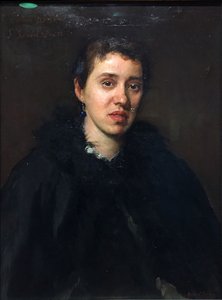
Susan Isabel Dacre
1844 - 1933 , United Kingdom
Quick Facts
- Artistic Movement Or Style: Realism, Romanticism
- Date Of Birth: 1844
- Date Of Death: 1933
- Full Name: Susan Isabel Dacre
- Nationality: British
- Notable Artworks:
- Italian Women in Church
- A View in Venice
- The Artist’s Mother
- Assisi from Perugia
- Assisi from the City Walls
- Place Of Birth: Leamington Spa, UK

