 Preview
 Send
Send Share
Share
 Details

 Download
 Similars
 X-Ray
X-Ray Diaporama
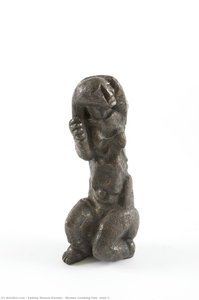
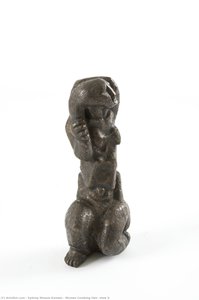
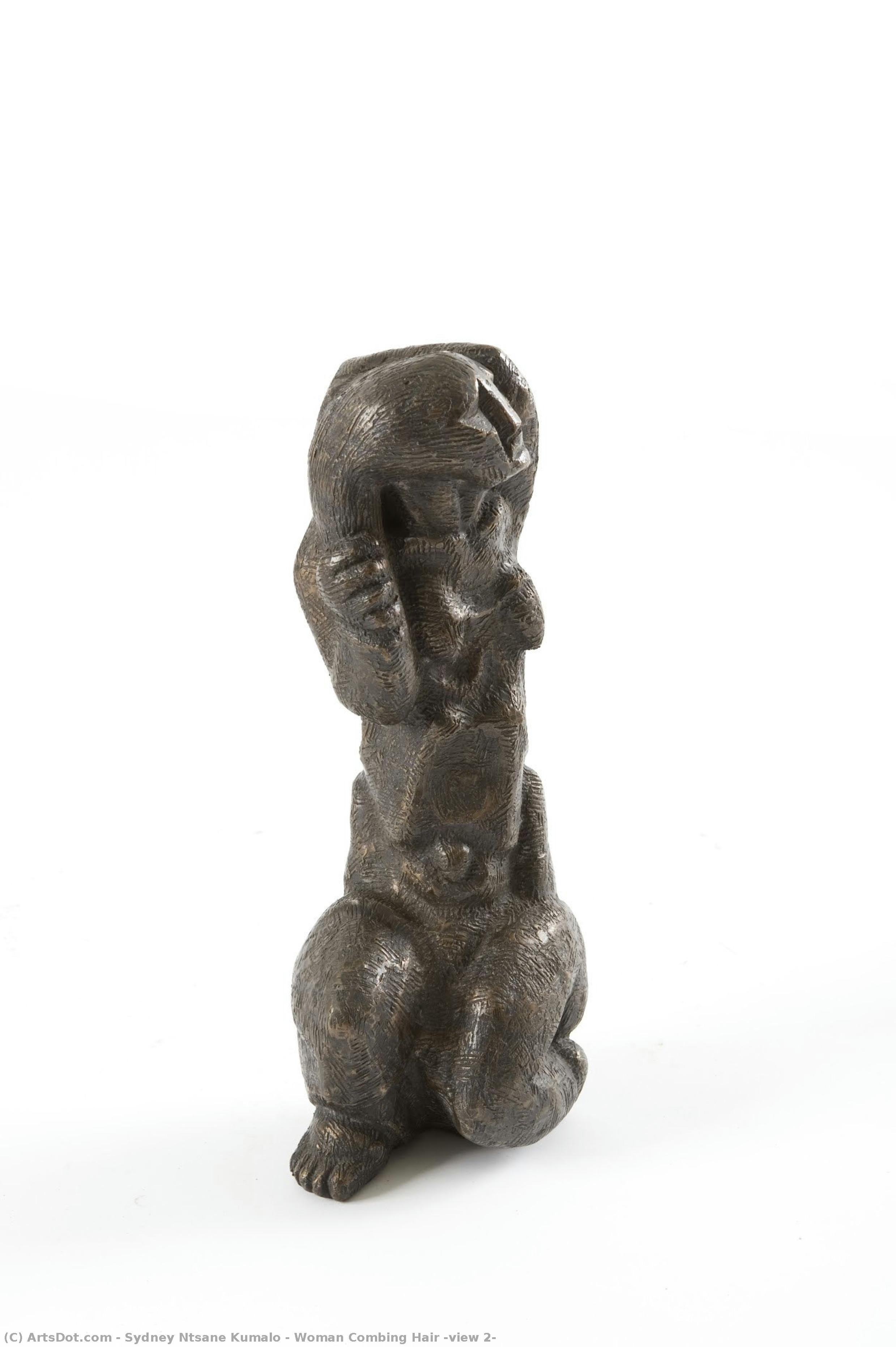
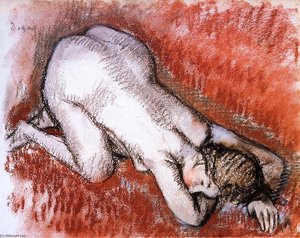
Woman Combing Hair (view 2)

 Read More
Giclée / Art Print
Museum-quality giclée or canvas print with fast production and flexible finish options. ( Buy Hand Made Painting Buy Image)




































Pick from our preset sizes that match the artwork's original proportions.

You may enter your own dimensions to fit a specific frame or space. If your selected size does not match the original image's proportions, we will either crop the artwork or extend the image with a mirrored or solid-fill edge. A digital mockup will be sent for your approval before production begins.
Please note that the on-screen preview does not reflect the actual cropping or extension. Only the mockup will accurately show the final composition.
While custom sizes are available, we recommend selecting a dimension from the predefined list to preserve the original proportions.
Worldwide Delivery () in 2 weeks instead of standard 4/5 weeks. (22 August)

Free Worldwide Express Shipping

High-Quality Linen Canvas

Full Shipping Insurance

Customs Tax Refund Guarantee

True Color Matching Guarantee

60-Day Return Policy (Defects Only)

100% Money-Back Guarantee

Bulk Discount Offer
 Glass option is only available in size under 110 CM

Woman Combing Hair (view 2)
Giclée / Art Print
Reproduction Size
-


Total Price
$ 63
Related Artworks


Artist Biography
Early Life and Artistic Beginnings
Sydney Alex Kumalo, born in Sophiatown, Johannesburg, on April 13, 1935, emerged from a vibrant yet turbulent cultural landscape. His early life was deeply marked by the forced removals that characterized apartheid-era South Africa. The dismantling of Sophiatown, a melting pot of races and artistic expression, instilled in Kumalo a profound awareness of displacement and identity—themes that would resonate throughout his career. Raised within a Zulu family with strong ties to traditional royal houses, he absorbed a rich heritage of storytelling, music, and ancestral reverence. This upbringing formed the bedrock of his artistic vision, blending urban sensibilities with deeply rooted cultural pride.
Kumalo’s formal art education began in 1953 at the Polly Street Art Centre, a pivotal institution that nurtured a generation of black South African artists. Under the guidance of Cecil Skotnes and later Edoardo Villa, he honed his skills in sculpture, initially working with clay and terracotta before mastering the complexities of bronze casting. The influence of these mentors was profound; Skotnes instilled a sense of formal discipline, while Villa encouraged experimentation and a deeper exploration of form. However, Kumalo quickly began to forge his own unique path, imbuing his work with a distinctly African sensibility that set him apart.
The Egon Guenther Years: A Flourishing Period
The mid-1960s marked a period of extraordinary growth for Kumalo, largely due to his association with the influential Johannesburg gallerist Egon Guenther. Guenther recognized Kumalo’s exceptional talent and provided him with invaluable support, showcasing his work both locally and internationally. This partnership propelled Kumalo onto the global art stage, with exhibitions at the Egon Guenther Gallery in Johannesburg and prestigious venues like the Grosvenor Gallery in London and New York. It was during this time that Kumalo developed his signature style—striking metal figures characterized by their evocative depictions of daily life, mythical creatures, and powerful human forms.
Kumalo’s sculptures from this era are notable for their raw energy and emotional depth. He often modeled his works in terracotta before meticulously casting them in bronze, a process that allowed him to capture the nuances of texture and form. His subjects ranged from pregnant women embodying strength and resilience to slouching beasts representing primal power and ancestral spirits. These figures were not merely representations of physical forms but rather embodiments of cultural narratives, personal experiences, and universal human emotions.
Themes and Symbolism in Kumalo’s Work
Central to Kumalo’s artistic vision was a profound connection to his Zulu heritage. His sculptures frequently drew inspiration from traditional music, folklore, and the stories passed down through generations. The figure of the *imbongi*, or praise singer, held particular significance for him, representing a vital link to the past and a celebration of oral tradition. This reverence for cultural identity was particularly poignant in the context of apartheid South Africa, where black culture was systematically suppressed.
Beyond his exploration of Zulu traditions, Kumalo’s work also addressed themes of displacement, alienation, and the human condition. His sculptures often convey a sense of loneliness and vulnerability, reflecting the challenges faced by black communities under oppressive rule. However, even in these moments of despair, there is an underlying sense of dignity and resilience—a testament to the enduring spirit of the human soul.
Legacy and Recognition
Kumalo’s influence on South African sculpture is undeniable. He paved the way for a new generation of black artists, challenging stereotypes and asserting the importance of indigenous artistic expression. His work broke down barriers and helped to establish a more inclusive art world in South Africa.
In recognition of his significant contribution to South African art, Kumalo was posthumously awarded the Order of the Ikhamanga (Gold) by the South African government in 2003. This prestigious honor acknowledged his enduring legacy and his role as a cultural icon. Today, his sculptures are held in major museums and private collections around the world, serving as powerful reminders of his artistic vision and his unwavering commitment to celebrating the beauty and resilience of the human spirit.
- Key Influences: Cecil Skotnes, Edoardo Villa, Zulu traditions, South African oral history
- Major Themes: Cultural identity, displacement, resilience, ancestral reverence, the human condition
- Signature Style: Striking metal figures, evocative depictions of daily life, powerful human forms, bronze casting
- Notable Achievements: International exhibitions in London and New York, Order of the Ikhamanga (Gold) award.
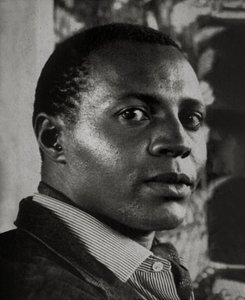
sydney ntsane kumalo
1935 - 1988 , South Africa
Quick Facts
- Artistic Movement Or Style: Contemporary sculpture
- Artists Who Influenced This Artist:
- Cecil Skotnes
- Egon Guenther
- Edoardo Villa
- Date Of Birth: 1935
- Date Of Death: 1988
- Full Name: Sydney Ntsane Kumalo
- Nationality: South African
- Notable Artworks:
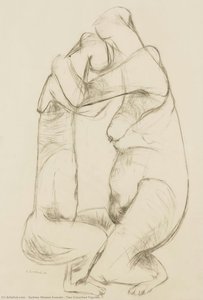
- Two Crouched Figures
- Woman Combing Hair
- Place Of Birth: Johannesburg, South Africa