

 Preview
 Send
Send Share
Share
 Details

 Download
 Similars
 X-Ray
X-Ray Diaporama
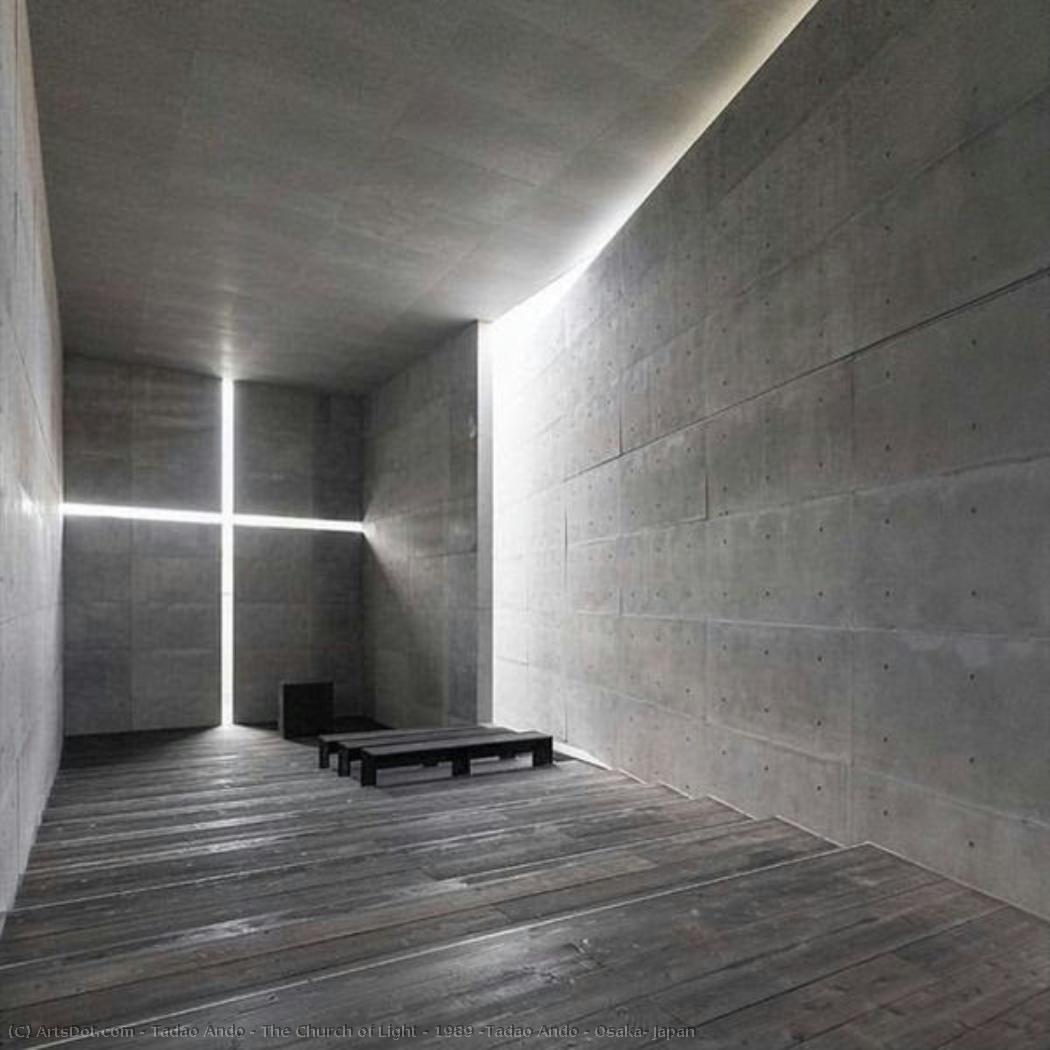
The Church of Light | 1989 |Tadao Ando | Osaka, Japan


 Read More
Purchase a high-resolution, enhanced digital image, far superior to the online preview.
Each file is meticulously prepared by our in-house specialists using advanced tools and expert manual retouching. We ensure every image has exceptional clarity, precise color accuracy, and fine detail.
The final file is delivered via email within 72 hours, optimized for immediate use in professional, editorial, and print environments. This is the same quality trusted by top-tier design studios, publishers, and galleries.
Digital Image
Download a high-resolution file for personal display, printing, and creative projects. ( Buy Print Buy Hand Made Painting)
Included in Every Digital Image Order
Expert Digital Delivery, Guaranteed
When you choose ArtsDot.com, you're not just getting an image - you're receiving a professionally enhanced digital artwork, crafted with precision and backed by a satisfaction guarantee. Here's everything that comes with your order, automatically:

Fast Email Delivery
Your high-resolution digital image file will be emailed to you within 72 hours of ordering - ready for immediate use.

AI-Enhanced Digital File
Your artwork is professionally optimized using advanced AI tools and manual editing, ensuring maximum detail, clarity, and color accuracy.

Free Lifetime Re-Delivery
Accidentally deleted or lost your file? No worries - we'll resend it to you anytime, free of charge.

No Import Fees - Ever
Enjoy your artwork instantly with zero customs, duties, or delivery fees - digital downloads are always tax-free.

Color Accuracy Guarantee
We ensure your digital image reflects the original colors as closely as possible using professional tools and color management.

60-Day Satisfaction Guarantee
If you're not satisfied with your digital image, we'll revise it or refund 100% within 60 days - no questions asked.

100% Money-Back Guarantee
Not satisfied? Get a full refund within 60 days of receiving your digital file - no questions asked.

Bulk Order Discounts
Buy 3 images, save 10% - Buy 5, save 15% - Buy 10+, save 20%. Great for creative projects, galleries, and agencies.
Related Artworks





Artist Biography
Early Life and Influences
Tadao Ando (安藤忠雄, Andō Tadao; born September 13th, 1941 in Osaka, Japan) is a Japanese autodidact architect whose approach to architecture and landscape was categorized by architectural historian Francesco Dal Co as ‘critical regionalism’. He’s recognized for his distinctive fusion of minimalist concrete construction with profound respect for natural surroundings—a philosophy that permeates every facet of his artistic vision. Ando's formative years were marked by a childhood deeply rooted in Japanese tradition, shaped primarily by his great-grandmother who instilled in him a reverence for simplicity and connection to the land. Unlike many architects of his era, Ando eschewed formal academic training, prioritizing self-education fueled by an unwavering fascination with architectural masterpieces. His early exposure to Frank Lloyd Wright’s Imperial Hotel during high school proved pivotal, sparking an enduring passion for innovative design that transcended conventional boundaries. He diligently studied buildings crafted by masters like Le Corbusier, Ludwig Mies van der Rohe, Frank Lloyd Wright, and Louis Kahn—absorbing their techniques and philosophies through meticulous observation and sketching. This dedication to experiential learning would become a cornerstone of his architectural style.Architectural Style and Philosophy
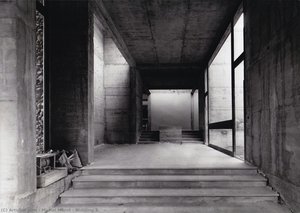
Ando’s architectural aesthetic is characterized by its austere beauty – a deliberate rejection of ornamentation in favor of raw concrete, expansive spaces bathed in natural light, and harmonious integration with the surrounding environment. He champions what he calls “critical regionalism,” advocating for designs that respond authentically to local materials and climatic conditions while upholding universal principles of elegance and functionality. Ando’s signature technique involves utilizing thick concrete walls as structural elements—a seemingly paradoxical choice that serves a crucial purpose: creating enclosed spaces that foster introspection and connection with the inner self. As Ando eloquently describes, “In all my works, light is an important controlling factor,” he asserts. “I create enclosed spaces mainly by means of thick concrete walls. The primary reason is to create a place for the individual, a zone for oneself within society.” This philosophy extends beyond mere construction; it embodies a broader belief that architecture can reshape human experience and contribute to societal transformation. He meticulously considers geometric forms—squares, circles, triangles, and rectangles—employing them as tools to orchestrate spatial flow and evoke specific emotional responses. Ando’s designs aren't simply buildings; they are carefully crafted environments designed to stimulate contemplation and heighten awareness of the natural world.Notable Projects and Recognition
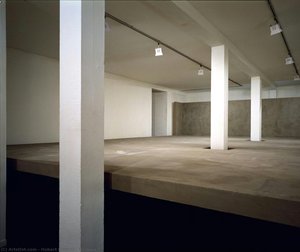
Ando’s prolific career spans decades, resulting in an impressive portfolio encompassing religious structures, museums, residential homes, cultural centers, and commercial spaces across continents. Perhaps his most iconic achievement is the Church of the Light (1989) in Osaka—a masterpiece of minimalist design that utilizes a single concrete wall to delineate space while maximizing natural illumination. The church’s stark simplicity powerfully communicates spiritual contemplation, mirroring Ando's belief that architecture should inspire awe and reverence. Similarly, Palazzo Grassi (Venice), commissioned for the Venice Biennale, showcases Ando’s ability to transform urban landscapes into spaces of artistic engagement. His designs at Sterling and Francine Clark Art Institute in Williamstown, MA., exemplify his commitment to harmonizing architectural form with natural beauty—creating immersive experiences that enrich visitors' understanding of art and culture. Furthermore, Ando’s work has garnered international acclaim, culminating in the prestigious Pritzker Prize awarded in 1995—a testament to his enduring influence on contemporary architecture and design.Legacy and Influence
Tadao Ando’s architectural philosophy continues to inspire architects worldwide. His unwavering devotion to simplicity, materiality, and connection with nature has solidified his position as a visionary figure who reshaped the landscape of modernism. Ando's work stands apart from many others due to its profound consideration for human experience—a perspective that underscores the enduring relevance of his designs in an era increasingly preoccupied with technological advancement. He remains steadfast in his conviction that architecture possesses the capacity to elevate consciousness and foster a deeper appreciation for the natural world, ensuring that his legacy persists as a beacon of artistic integrity and humanist vision.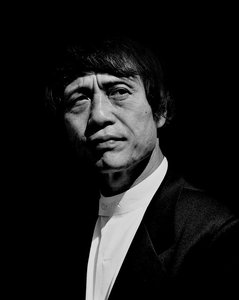
tadao ando
1941 - , Japan
Quick Facts
- Artistic Movement Or Style: Critical regionalism
- Artists Or Movements Influenced By This Artist: ['Zen']
- Artists Who Influenced This Artist:
- Le Corbusier
- Ludwig Mies van der Rohe
- Date Of Birth: Osaka, Japan (1941)
- Date Of Death: Living
- Full Name: Tadao Ando
- Nationality: Japanese
- Notable Artworks:
- The Church of Light
- Palazzo Grassi
- Place Of Birth: Osaka

