

 Preview
 Send
Send Share
Share
 Details

 Download
 Similars
 X-Ray
X-Ray Diaporama
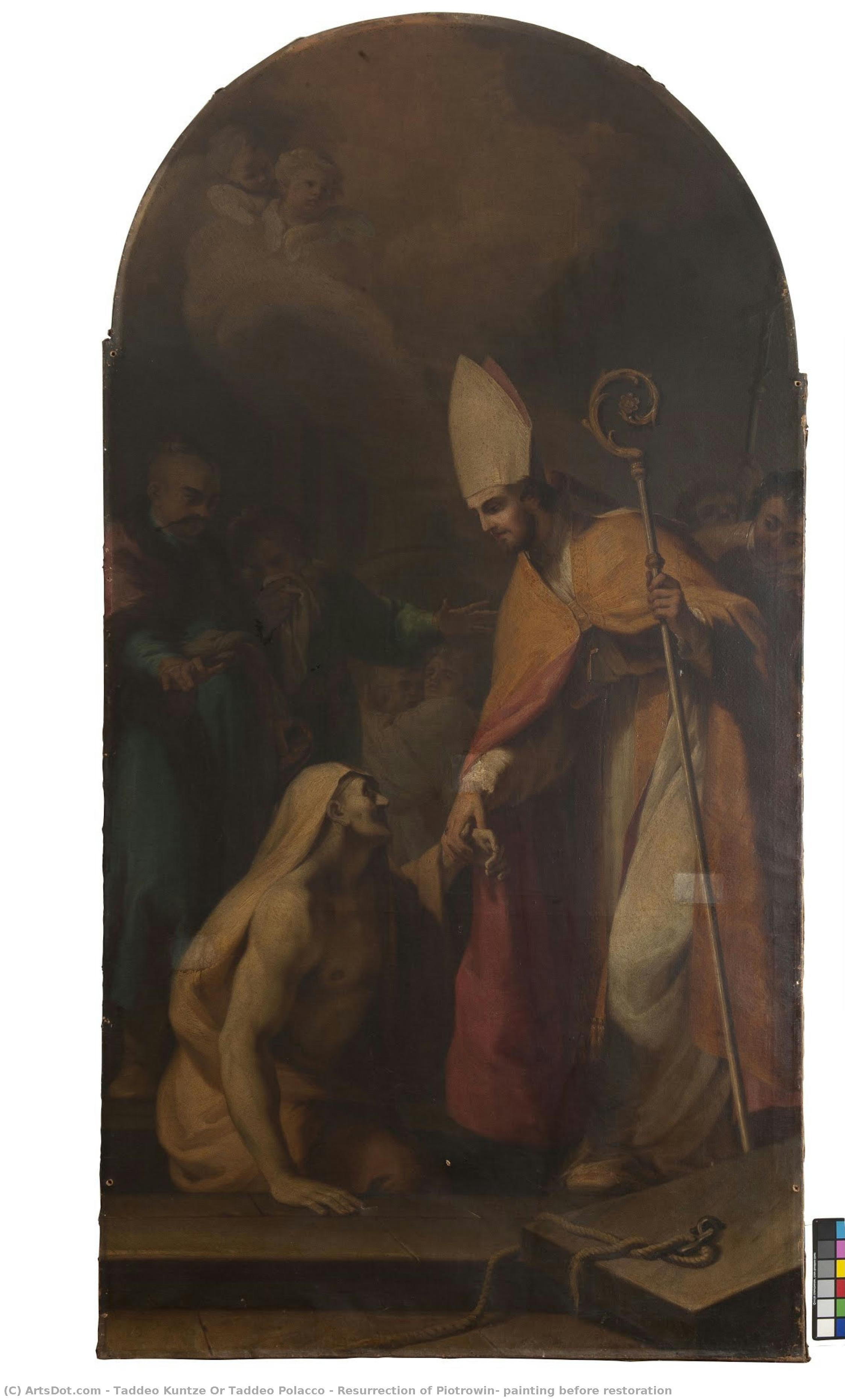
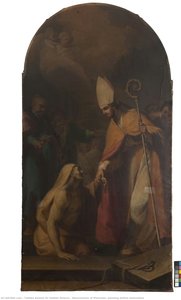
Resurrection of Piotrowin, painting before restoration


 Read More
Purchase a high-resolution, enhanced digital image, far superior to the online preview.
Each file is meticulously prepared by our in-house specialists using advanced tools and expert manual retouching. We ensure every image has exceptional clarity, precise color accuracy, and fine detail.
The final file is delivered via email within 72 hours, optimized for immediate use in professional, editorial, and print environments. This is the same quality trusted by top-tier design studios, publishers, and galleries.
Digital Image
Download a high-resolution file for personal display, printing, and creative projects. ( Buy Print Buy Hand Made Painting)
Included in Every Digital Image Order
Expert Digital Delivery, Guaranteed
When you choose ArtsDot.com, you're not just getting an image - you're receiving a professionally enhanced digital artwork, crafted with precision and backed by a satisfaction guarantee. Here's everything that comes with your order, automatically:

Fast Email Delivery
Your high-resolution digital image file will be emailed to you within 72 hours of ordering - ready for immediate use.

AI-Enhanced Digital File
Your artwork is professionally optimized using advanced AI tools and manual editing, ensuring maximum detail, clarity, and color accuracy.

Free Lifetime Re-Delivery
Accidentally deleted or lost your file? No worries - we'll resend it to you anytime, free of charge.

No Import Fees - Ever
Enjoy your artwork instantly with zero customs, duties, or delivery fees - digital downloads are always tax-free.

Color Accuracy Guarantee
We ensure your digital image reflects the original colors as closely as possible using professional tools and color management.

100-Day Satisfaction Guarantee
If you're not satisfied with your digital image, we'll revise it or refund 100% within 100 days - no questions asked.

100% Money-Back Guarantee
Not satisfied? Get a full refund within 100 days of receiving your digital file - no questions asked.

Bulk Order Discounts
Buy 3 images, save 10% - Buy 5, save 15% - Buy 10+, save 20%. Great for creative projects, galleries, and agencies.
Related Artworks





Artist Biography
A Visionary of the Baroque: The Life and Legacy of Tadeusz Kuntze
In the grand tapestry of eighteenth-century European art, few figures embody the seamless blend of Polish heritage and Roman grandeur as elegantly as Tadeusz Kuntze. Known to history by his Italianized pseudonym, Taddeo Polacco, this Silesian master navigated the shifting currents of the Enlightenment and the enduring splendor of the Baroque. Born in Zielona Góra, Poland, around 1733, Kuntze’s life was a journey across the most prestigious artistic capitals of his era—from the vibrant courts of Kraków to the sun-drenched studios of Rome and the sophisticated salons of Paris. His very name serves as a bridge between cultures, reflecting a talent that refused to be confined by borders.
Kuntze’s early years were marked by an extraordinary opportunity provided by the influential Bishop Andrzej Stanisław Załuski, who recognized the young artist's potential and sent him to Rome in 1747. It was within this cradle of classical antiquity and Renaissance mastery that Kuntze truly found his voice. Studying at the Académie de France between 1748 and 1752, he immersed himself in the rigorous traditions of classical aesthetics while absorbing the dynamic energy of contemporary Roman masters. Under the guidance of luminaries such as Ludovico Mazzanti and the refined techniques of Giuseppe Cesati, Kuntze developed a command over perspective and light that would become his hallmark, allowing him to transform flat surfaces into windows of profound spiritual and emotional depth.
The Mastery of Light and Devotion
The true brilliance of Kuntze’s oeuvre lies in his ability to marry the theatricality of the Baroque with a delicate, almost ethereal grace. His work is characterized by a masterful command of color palettes that can shift from the somber, reverent tones of an altarpiece to the luminous, airy brilliance of a frescoed ceiling. When he returned to Poland in 1754, his impact was immediate and monumental. The commissions for St. Casimir Cathedral in Kraków stand as testaments to his ability to evoke deep religious fervor through sweeping compositions and meticulously detailed figures that seem to breathe within their sacred spaces.
As his career progressed, Kuntze’s reach expanded far beyond the borders of his homeland:
- The Roman Frescoes: In Rome, he secured the patronage of the illustrious Borghese princes, decorating the magnificent Palazzo Borghese and Villa Borghese with works that showcased his ability to integrate art into the very architecture of power and beauty.
- Ecclesiastical Grandeur: His work for Henry Benedict Stuart, the Bishop of Frascati, in locations like the Seminario Tuscolano demonstrated his skill in executing large-scale narrative cycles that served both liturgical and decorative purposes.
- International Reach: His travels through Spain and France allowed him to infuse his Polish roots with a cosmopolitan sophistication, influencing the broader European aesthetic of the late eighteenth century.
Historical Significance and Enduring Influence
Beyond the mere beauty of his brushwork, Kuntze holds a unique position in art history as a precursor to the shifting tastes of the late 18th century. While his foundations were firmly rooted in the Baroque, there is an emerging lightness and a clarity in his later works that hints at the approaching Neoclassical era. Scholars often note the fascinating intersection of his life with other great masters; for instance, his presence in Rome during the formative years of Spanish art suggests a subtle, yet vital, link to the development of artists like Francisco Goya.
Tadeusz Kuntze passed away in Rome in 1793, leaving behind a legacy etched into the very stone and plaster of Europe’s most sacred and noble buildings. He remains a symbol of the itinerant artist—a creator whose identity was shaped by the movement between nations and the dialogue between different artistic traditions. To look upon a Kuntze fresco is to witness the triumph of a singular vision that could capture both the earthly majesty of a prince and the divine light of the heavens, ensuring his place as a true visionary of the Baroque age.
taddeo kuntze or taddeo polacco
1727 - 1793 , Poland
Quick Facts
- Artistic Movement Or Style: Baroque
- Artists Or Movements Influenced By This Artist: ['Roman Baroque']
- Artists Who Influenced This Artist: ['Ludovico Mazzanti']
- Date Of Birth: October 3, 1733
- Date Of Death: May 8, 1793
- Full Name: Tadeusz Kuntze
- Nationality: Polish
- Notable Artworks:
- Altarpiece St. Casimir Cathedral Kraków
- Resurrection of Piotrowin
- Place Of Birth: Zielona Góra, Poland